

The Damp and Dangerous Connection
High humidity is more than just uncomfortable for pets; it’s a health risk. Unlike humans, dogs and cats can't sweat efficiently to cool down. Their fur, especially if it's thick or long, traps moisture and heat against the skin. This creates a warm,
damp environment that is a perfect breeding ground for bacteria, yeast, and other microbes. This is why issues that are minor in dry weather can quickly escalate into painful problems during humid seasons like the Indian monsoon.
A Breeding Ground for Skin Infections
One of the most significant risks is the explosion of skin infections. The moisture-laden fur provides an ideal environment for fungi and bacteria to multiply. This can lead to painful conditions like acute moist dermatitis, commonly known as ‘hot spots,’ which are red, inflamed, and rapidly spreading sores. Fungal issues, such as yeast infections and ringworm, also thrive in these conditions, causing intense itching, redness, a musty odour, and patchy hair loss, particularly around the ears, paws, and skin folds.
Keeping Parasites at Bay
Humid weather is peak season for parasites like fleas and ticks. These pests flourish in warm, damp environments, increasing the risk of infestation on your pet and in your home. A thick, unkempt coat gives them more places to hide and makes them harder to spot. Regular grooming, which includes thorough brushing, allows you to check for these parasites before an infestation takes hold. Consistent checks and vet-recommended preventatives are your best defence during these high-risk months.
The Danger of Matted Fur
When fur isn't brushed regularly, especially in humid conditions, it can quickly become tangled and matted. These mats are not just unsightly; they are painful, pulling on the skin and causing irritation. More dangerously, they trap heat and moisture, preventing air from circulating and making it nearly impossible for your pet to regulate its body temperature. This significantly increases the risk of overheating and heatstroke, a serious medical emergency.
Essential Grooming for Humid Weather
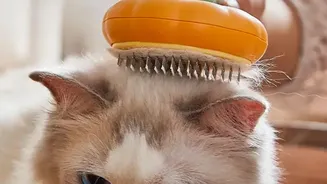
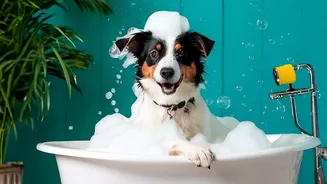
A proactive grooming routine is key. Brushing your pet daily or several times a week helps remove loose fur, detangles knots before they become mats, and allows air to reach the skin. After walks in the rain, it is crucial to dry your pet thoroughly, paying special attention to their paws, belly, and ears. Regular bathing with a vet-approved shampoo can help remove allergens and soothe the skin, but be sure not to over-bathe, which can strip natural oils. Always ensure your pet is dried completely after a bath. Don't forget paw and ear care; trimming hair between paw pads and regularly cleaning ears prevents moisture buildup and infections.