



Why Humidity Is a Recipe for Cramps
Muscle cramps are involuntary, painful contractions that can strike without warning. While they have many causes, dehydration and electrolyte imbalances are prime culprits, especially during hot and humid weather. High humidity makes it harder for your
body to cool itself down. Sweat doesn't evaporate efficiently from your skin, trapping heat and signaling your body to sweat even more in an attempt to regulate its temperature. This excessive sweating leads to a significant loss of not just water, but also crucial minerals known as electrolytes, including sodium and potassium. These electrolytes are essential for proper nerve and muscle function. When their levels drop too low, the communication between nerves and muscles can falter, leading to the painful spasms and tightness we know as cramps.
Coconut Water: Nature's Electrolyte Source
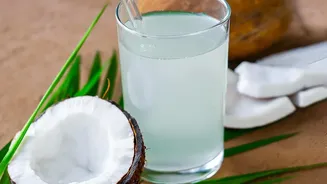
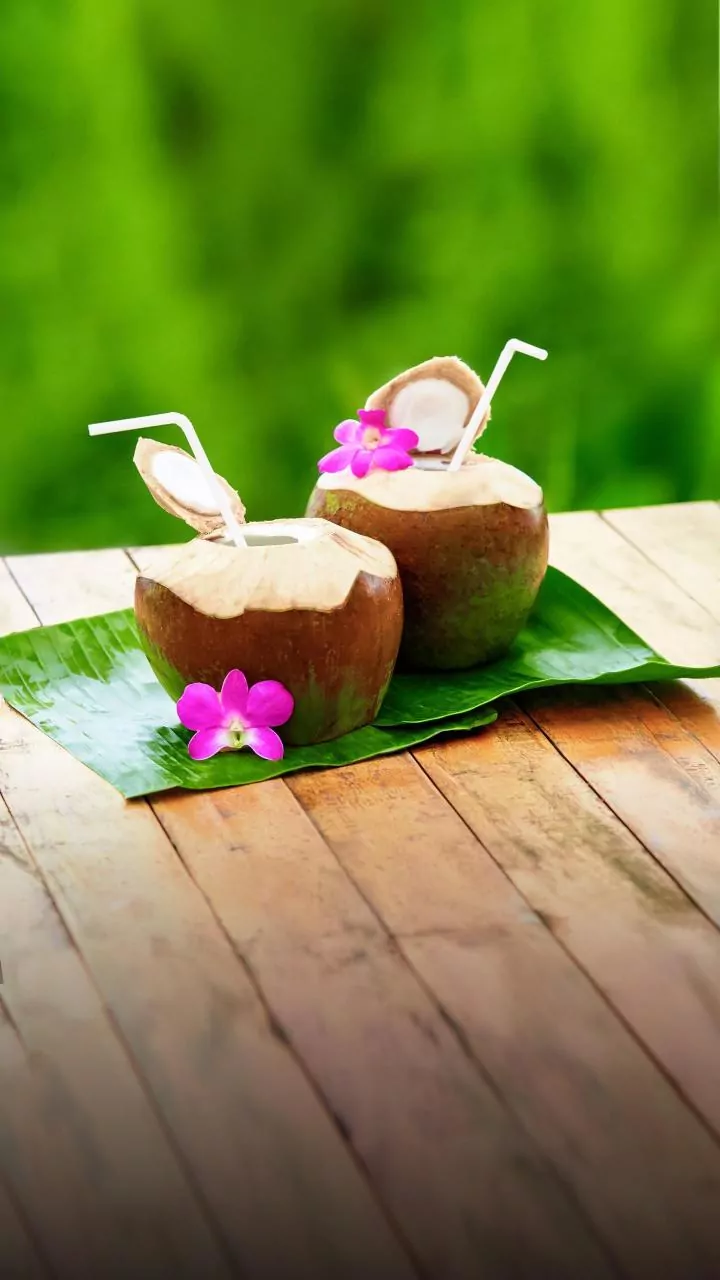
Tender coconut water has long been a go-to drink for rehydration, and for good reason. It is naturally packed with electrolytes, making it an excellent base for a muscle-protecting drink. Its standout nutrient is potassium, a mineral vital for muscle contractions and maintaining fluid balance within your cells. A single cup of coconut water can contain more potassium than a medium banana. Furthermore, it provides other important minerals like magnesium and calcium, which also play supporting roles in muscle relaxation and contraction. Unlike many sugary sports drinks, fresh coconut water is relatively low in calories and contains natural sugars that can provide a gentle energy boost, helping your body absorb fluids and electrolytes more effectively.
The Essential Role of Rock Salt
While coconut water is rich in potassium, it is naturally low in sodium. This is where rock salt, often known as sendha namak in India, becomes the perfect partner. Sodium is the primary electrolyte you lose through sweat, and it is absolutely critical for maintaining fluid balance outside your cells and for transmitting nerve impulses that control muscle movement. Depleted sodium levels are a major factor in exercise-associated muscle cramps. Adding a pinch of rock salt to coconut water doesn't just add flavour; it transforms the drink into a more complete rehydration solution. It effectively replaces the sodium you're losing in the heat, directly addressing one of the key triggers for cramping. This mineral-rich salt helps your body hold onto the water you drink, ensuring you rehydrate more effectively instead of having the fluids pass right through you.
A Powerful Combination for Hydration
When you mix coconut water with rock salt, you are creating a natural, effective oral rehydration solution (ORS). The science behind ORS is based on a principle called sodium-glucose cotransport. The small intestine is able to absorb water more efficiently when sodium and a small amount of glucose (sugar) are present together. Coconut water provides the fluid, potassium, and natural sugars, while the rock salt delivers the crucial sodium. This combination creates a balanced mixture that helps your body rapidly absorb both water and essential electrolytes, restoring what you've lost through excessive sweating in the humidity. This synergy is what makes the simple drink so much more effective at preventing cramps than drinking plain water alone, which can sometimes further dilute your body's electrolyte levels.
How to Make and Use Your Cramp-Fighting Drink
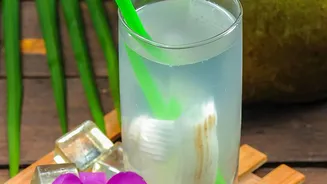
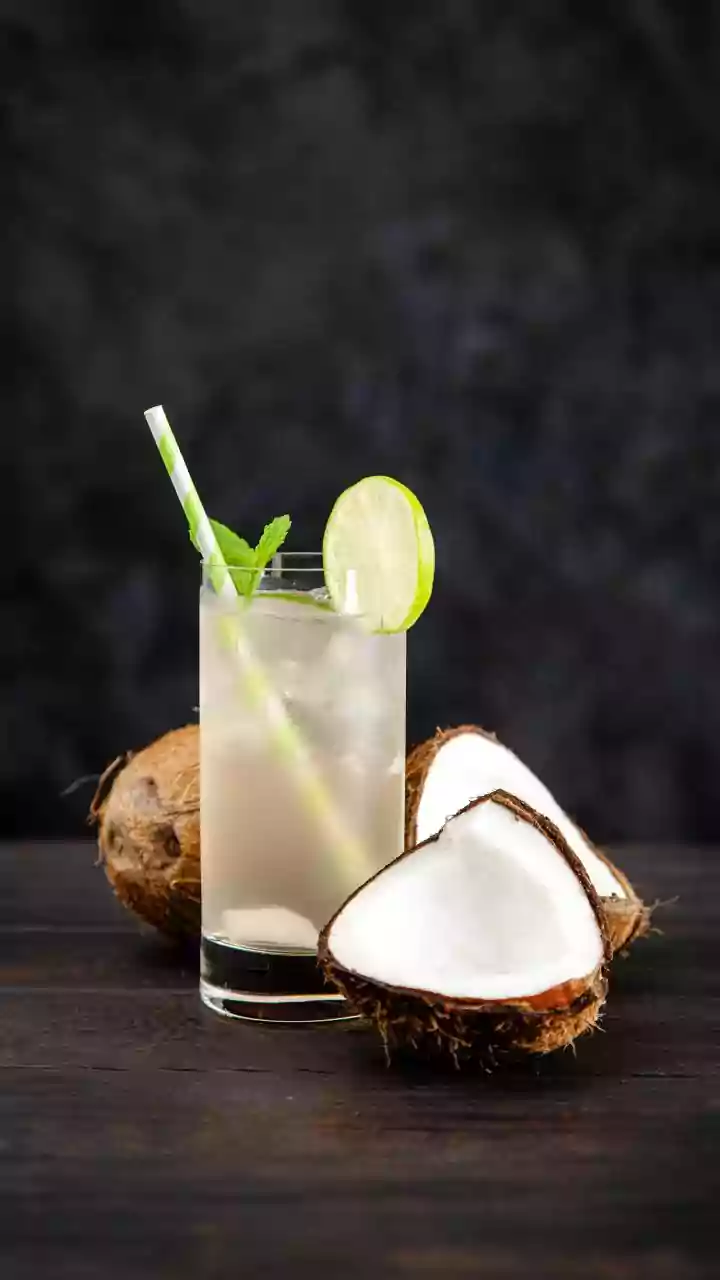
Preparing this hydrating elixir is incredibly simple. You don't need a precise recipe, but a good rule of thumb is to start with a glass of fresh, unsweetened coconut water (around 250-300 ml). Add a small pinch of rock salt—about one-quarter of a teaspoon—and stir until it dissolves. You can also add a squeeze of lime for extra flavour and a bit of vitamin C. For best results, don't wait until a cramp strikes. Sip on the drink proactively. If you know you'll be spending time outdoors in the heat, working out, or engaging in strenuous activity, drink a glass beforehand. Continue to sip it throughout the day to consistently replenish lost fluids and electrolytes. It's an excellent post-workout recovery drink as well, helping your muscles recover and reducing the risk of delayed cramping.