




The crisp air of autumn and winter can make outdoor workouts feel invigorating. But as temperatures drop, so does your muscle flexibility, increasing the risk of stiffness and injury. Here’s how to adapt your routine and keep moving safely.
Why Muscles Stiffen in the Cold
When you step
into the cold, your body instinctively works to preserve heat for its vital organs. It does this through vasoconstriction, which is the narrowing of blood vessels in your extremities. This reduction in blood flow means your muscles get less oxygen and warmth, causing them to contract and lose elasticity. Cold temperatures can make muscle fibers more viscous, or less pliable, and even slow down the nerve signals that control muscle activation. This combination of tightness and slower reaction times makes your muscles less efficient and more prone to strains, sprains, and that familiar feeling of rigidity.
The Crucial Indoor Warm-Up
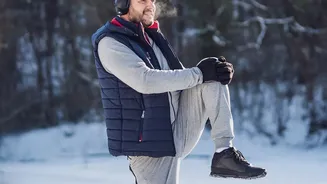
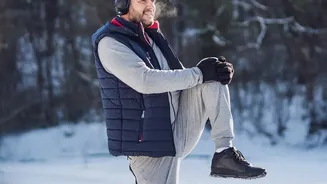
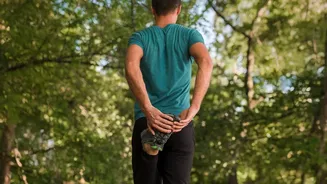
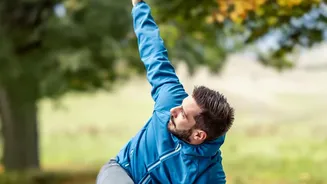
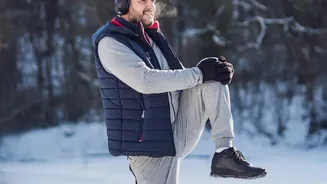
One of the most effective ways to counteract the cold is to start warm. Performing a 5-to-10-minute warm-up indoors before you head out is non-negotiable. An indoor warm-up raises your core body temperature and increases blood flow to your muscles in a controlled environment. This prepares them for the sudden drop in temperature outside. Focus on dynamic stretches, which involve active movements through a full range of motion. Exercises like leg swings, arm circles, high knees, walking lunges, and torso twists are ideal. They lubricate your joints and activate the specific muscle groups you'll be using, reducing the risk of injury from the get-go. Avoid static stretching—holding a stretch for a long period—as cold muscles are less flexible and can be injured more easily.
Master the Art of Layering
Dressing appropriately is key to regulating your body temperature and staying comfortable. The goal is to trap heat while allowing sweat to escape, and the best way to achieve this is with a three-layer system. The base layer, which sits against your skin, should be made of a moisture-wicking synthetic fabric (like polyester) or merino wool to pull sweat away from your body. Avoid cotton at all costs, as it absorbs moisture and will make you feel cold and clammy. The middle layer provides insulation; fleece or a down vest works well. The outer layer should be a shell that is wind and water-resistant to protect you from the elements. As you warm up, you can easily remove a layer to prevent overheating. Don't forget a hat, gloves, and a scarf or neck gaiter to protect your extremities, which are most vulnerable to the cold.
Hydration Is Just as Important
It's a common misconception that you don't need to hydrate as much during cold weather workouts. However, you still lose significant fluid through sweat and respiration. Cold, dry air increases moisture loss from your lungs, and because sweat evaporates more quickly, you might not feel as thirsty. Furthermore, the body's thirst response is blunted in the cold, meaning you can become dehydrated without even realizing it. Dehydration can decrease performance and make muscles more susceptible to cramping. Aim to drink water throughout the day and consider carrying warm water or herbal tea in an insulated bottle to make drinking more appealing. For longer or more intense workouts, an electrolyte drink can help replenish lost minerals.
Adjust Your Pace and Cool Down Properly
Your body has to work harder in the cold, so it’s wise to manage your expectations and adjust your workout intensity. You may not be able to perform at your peak level, and that’s okay. To prevent muscles from stiffening up during rest periods, keep any breaks short or incorporate active recovery, which means continuing to move at a low intensity. Just as important as the warmup is the cooldown. Plan your route so you finish close to home, preventing a long walk in the cold after your muscles have stopped working hard. Once indoors, change out of your wet gear immediately to prevent a rapid drop in body temperature. Follow this with 5 to 10 minutes of gentle static stretching, holding each stretch for 20–30 seconds to help your muscles relax and maintain flexibility. This final step is crucial for preventing nextday soreness and stiffness.