



Why Monsoon Is A High-Risk Season
The magic of the monsoon—the cool air and petrichor—unfortunately comes with a hidden threat in the kitchen. High humidity and ambient warmth create the perfect environment for harmful bacteria, moulds, and fungi to multiply rapidly on food. This is why
food seems to spoil much faster during the rainy season compared to drier months. Food safety authorities like the FSSAI regularly issue advisories during this period, as the risk of foodborne illnesses like food poisoning, diarrhoea, and cholera increases significantly. The moisture in the air is the biggest enemy, turning cooked food left on the counter into a potential hazard in a surprisingly short time.
The Golden Rules of Storage and Reheating
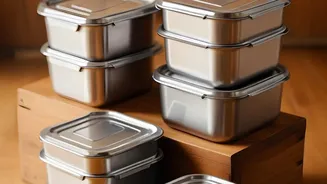
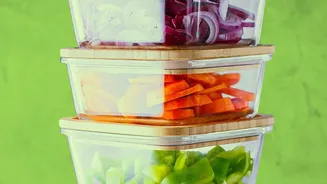
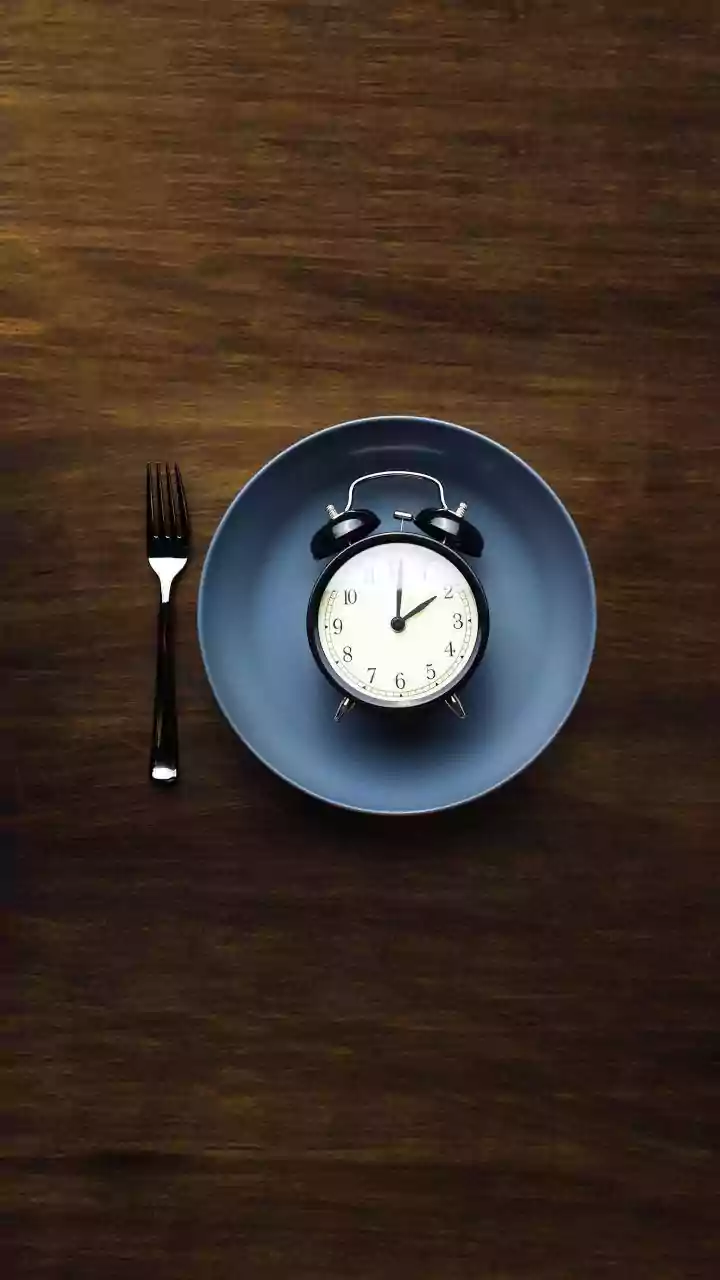
Safe reheating begins with smart storage. The universal two-hour rule—refrigerating cooked food within two hours—becomes even more critical during the monsoon. In very hot and humid conditions, this window shrinks to just one hour. When you store leftovers, use clean, airtight containers and preferably shallow ones, as they allow the food to cool down faster and more evenly in the fridge. When it's time to eat, the single most important rule is to reheat food thoroughly until it is steaming hot all the way through, not just warm. The goal is to kill any bacteria that may have developed. Use a food thermometer if you can; the food should reach an internal temperature of at least 74°C (165°F). Crucially, you should only reheat leftovers once. Repeatedly cooling and reheating food gives bacteria multiple opportunities to grow.
Method Matters: Stove vs. Microwave
While a microwave is quick and convenient, reheating on the stovetop often provides more consistent and thorough heating, which is vital for safety. For gravies, dals, and curries, bringing them to a rolling boil for a minute or two on the stove ensures the entire dish reaches a safe temperature. If using a microwave, make sure to stir the food midway through the heating process to eliminate cold spots where bacteria can survive. Cover the food with a microwave-safe lid to retain moisture and create steam, which helps in killing germs. Regardless of the method, ensure the food is piping hot before you serve it.
Special Care for Common Indian Leftovers
Different foods require slightly different handling. Rice is particularly high-risk because it can contain spores of a bacteria called Bacillus cereus, which can survive initial cooking. If leftover rice is left at room temperature, these spores can germinate and produce toxins that even reheating won't destroy. Always cool rice quickly and refrigerate it within an hour. When reheating, sprinkle it with a little water and ensure it is steaming hot. For dals and curries, bring them to a full boil. For dry preparations like sabzis or bhurjis, stir-fry them on high heat until they are thoroughly heated. Breads like rotis and parathas can be safely reheated on a tawa until they are soft and hot.
Navigating Monsoon Power Cuts
Frequent power outages are a reality of the Indian monsoon, posing a serious challenge to food safety. A refrigerator can only keep food safe for about four hours without power if the door remains closed. A full freezer will hold its temperature for about 48 hours, while a half-full one will last about 24 hours. It’s wise to keep your fridge and freezer organised and not overloaded to allow for proper air circulation. If you anticipate a long outage, transfer perishable items to a cooler with ice packs. Once the power returns, check the temperature. Any perishable food that has been above 5°C for more than two hours should be discarded.
When in Doubt, Throw It Out
Your senses are a good first line of defence, but they aren't foolproof. Food can be contaminated with harmful bacteria without smelling or tasting bad. However, if you notice any off-odours, a slimy texture, or visible mould, do not taste it to check. Discard it immediately. This is especially true for dairy-based dishes, meats, and anything with a high moisture content. It is always better to be safe than sorry. A single bite of spoiled food is not worth the risk of a severe stomach upset or worse. The most important rule of food safety, especially during the monsoon, is simple: when in doubt, throw it out.