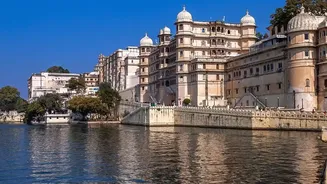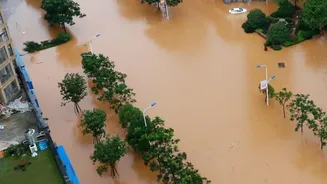





In many Indian cities, the paradox of devastating floods during monsoon and severe water shortages just months later is a grim reality. The key may lie in an often-overlooked solution: reviving the thousands of neglected urban water bodies.
Our Vanishing Urban Sponges
Historically,
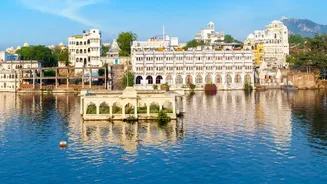
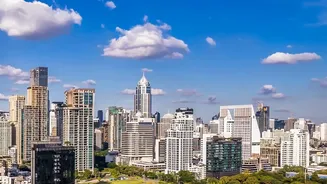
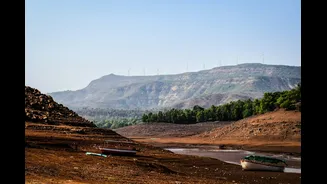
Indian cities were built around a network of lakes, ponds, and wetlands. These 'urban sponges' naturally absorbed excess rainwater, prevented flooding, and ensured water availability year-round. However, rapid and often unplanned urbanization has led to a crisis. These vital water bodies have been degraded by pollution from untreated sewage and industrial waste, choked by solid waste dumping, and, in many cases, encroached upon for construction. Studies have shown that a city like Bengaluru has lost nearly 80% of its water bodies over the last four decades, a story that is echoed across the country. The result is concrete jungles that cannot absorb rainwater, leading to flash floods and simultaneously, a dangerous depletion of groundwater reserves.
How Restoration Breathes New Life
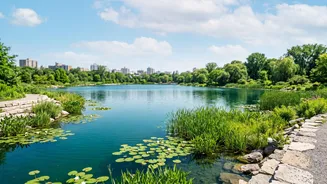
Bringing a lake back to life is a multi-step process that goes far beyond a simple clean-up. The first critical step is to stop the inflow of pollutants, often by diverting sewage channels that illegally empty into the lake. This is followed by the painstaking removal of accumulated solid waste and construction debris. A crucial phase is desilting—removing the thick layer of silt from the lakebed. This single action dramatically increases the lake’s water storage capacity and, most importantly, unclogs the earth, allowing water to percolate downwards. Many projects then focus on strengthening the lake's embankments and creating 'green buffers' by planting native trees and vegetation around the periphery.
Replenishing Our Hidden Water Banks
The most significant, yet invisible, benefit of a restored lake is groundwater recharge. A clean, desilted lake bed acts like a giant sieve, allowing rainwater to slowly seep into the ground and replenish underground aquifers. These aquifers are the 'hidden water banks' that supply countless borewells and municipal water systems. In Delhi, the 'City of Lakes' project, which revives water bodies using treated wastewater, has shown remarkable results. At one site in Pappankalan, groundwater levels rose by approximately 6 metres after two lakes were revived. Similar successes have been recorded in other cities, demonstrating a direct link between healthy lakes and improved water security for residents.
A Return to Ecological Balance
Beyond water security, rejuvenation creates vibrant hubs of urban biodiversity. As the water quality improves and surrounding vegetation grows, these lakes transform into thriving ecosystems. They become crucial habitats for fish, insects like dragonflies, and amphibians. Soon, birds follow. Restored lakes in Chennai and Pudukottai have seen the return of dozens of resident and migratory bird species, turning once-barren sites into birdwatching havens. These revitalised green and blue spaces also help mitigate the 'urban heat island' effect, creating cooler microclimates in their vicinity and offering residents much-needed recreational areas.
The Power of Community Action
While government agencies and municipal bodies play a vital role, many of India's most successful restoration stories are driven by citizen action. Across the country, from Chennai to Bengaluru, local communities, NGOs, and corporate volunteers are taking ownership of their neighbourhood lakes. These groups organise clean-up drives, monitor for pollution, and work with authorities to protect the revived water bodies. This community involvement is crucial for longterm sustainability, ensuring that a restored lake doesn't slide back into neglect. It fosters a sense of collective responsibility and turns these natural assets into cherished community spaces.