






The Sobering Numbers
The data from the Central Water Commission (CWC) paints a concerning picture as of late September 2026. Water storage across 178 of the country's major reservoirs stands at approximately 70% of their total capacity. This is significantly below the 10-year
average of 76.6% for this time of year and also less than the 79% recorded in 2025. The situation is particularly acute in South India, where reservoirs are holding only 50% of their capacity, a steep drop from 87% the previous year. Northern states like Himachal Pradesh, Punjab, and Rajasthan have also seen a dramatic fall, with storage at 62% compared to over 92% in 2025. This deficit isn't just a statistic; it directly impacts water availability for drinking, irrigation for the upcoming rabi crop season, and hydropower generation through the dry months ahead.
More Than a Weak Monsoon
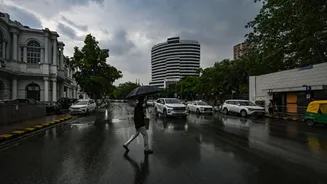
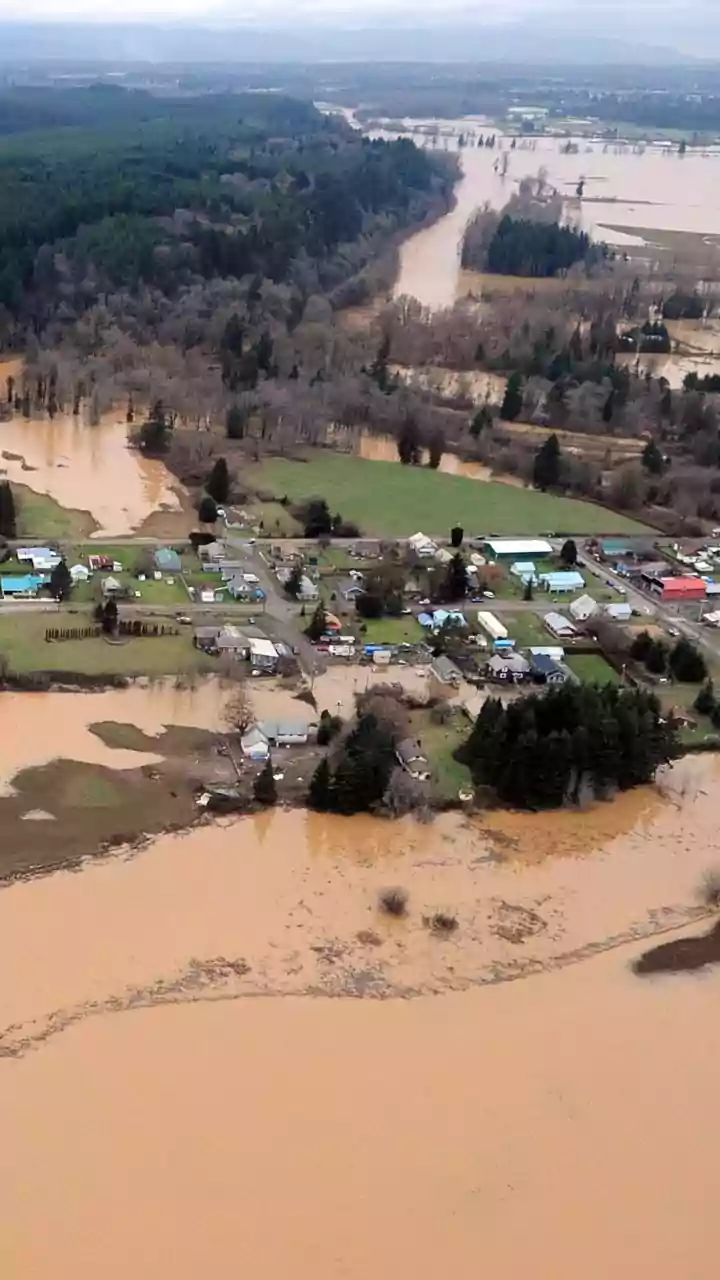
It's easy to blame the low water levels solely on a poor monsoon. The 2026 southwest monsoon was indeed deficient, delivering only 87% of its long-period average rainfall, making it the fourth-lowest since 2001. However, the problem is more complex than just the total volume of rain. The monsoon's behaviour was erratic, with sharp swings between surplus and deficit rainfall weeks. Furthermore, the distribution was highly uneven. While Central India received near-normal rainfall, the southern peninsula and the east and northeast regions faced significant deficits of 24% and 26% respectively. This patchy performance means that even regions that experienced intense bursts of rain could not effectively capture and store it, leading to runoff rather than replenishment. Relying on a four-month rainy season to secure a year's worth of water is proving to be an increasingly risky strategy in the face of such climate variability.
The Relentless Rise in Demand
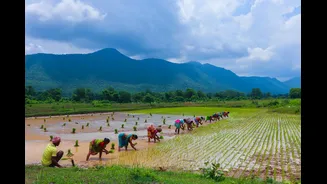
The other side of the water equation is consumption, which continues to grow relentlessly. India supports 18% of the world's population with only 4% of its freshwater resources. Rapid urbanisation, industrial growth, and the demands of agriculture all place immense pressure on our finite water supplies. Agriculture alone accounts for the vast majority of water usage in India, often through inefficient methods like flood irrigation. As cities expand and lifestyles change, municipal water demand soars. This constant and rising demand means that even in a year with a 'normal' monsoon, our reservoirs are being strained. When a deficient monsoon occurs, the system has little to no buffer, and we are pushed directly into a state of water stress.
The Blueprint for Year-Round Action
So, what does planning beyond the monsoon look like? It requires a fundamental shift from a supply-focused mindset of just storing rainwater to a holistic, 365-day management cycle. A key component is enhancing groundwater recharge through initiatives like the Atal Bhujal Yojana, which encourages community-led management. This involves creating infrastructure like percolation tanks and check dams to capture runoff and allow it to seep back into the ground, refilling the aquifers we so heavily depend on. Another critical area is the treatment and reuse of wastewater. An estimated 80% of water supplied to urban areas returns as wastewater, which, if treated, can be repurposed for industrial use, irrigation, and maintaining ecological flows in rivers, thereby reducing the demand for fresh water from our dams.
From Crisis Management to Water Security
Ultimately, securing India's water future means moving beyond seasonal crisis management. It involves investing in modernising our infrastructure, such as desilting reservoirs to restore their original capacity and fixing leaks in the vast network of canals and urban pipelines. It means empowering farmers with technology for efficient irrigation, like drip and sprinkler systems, to achieve 'more crop per drop'. And it requires a change in public behaviour, driven by awareness campaigns that build a culture of conservation. Initiatives like mandatory rainwater harvesting, as implemented in Tamil Nadu, show that policy can drive large-scale change. By combining technological upgrades, policy interventions, and community participation, we can build a resilient system that isn't wholly dependent on four months of rain.