







A Hazard Officially Recognised
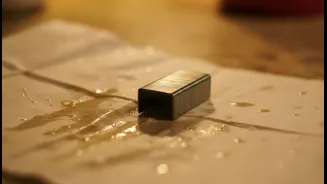
That small piece of metal used to seal a paper bag or attach a bill is more than just an annoyance; it’s a significant food safety hazard. In response to numerous consumer complaints and incidents, the Food Safety and Standards Authority of India (FSSAI)
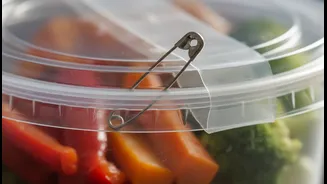
has recently prohibited the use of staple pins and metal wires in food packaging. The directive applies to all food businesses, including restaurants, bakeries, sweet shops, and takeaway services. The reason for the ban is simple: these small metal objects can easily become dislodged and mix with food, creating a serious risk of accidental ingestion. Despite the ban, the practice may still persist, especially with smaller, unorganised vendors, making consumer vigilance essential.
Where to Check for Loose Staples
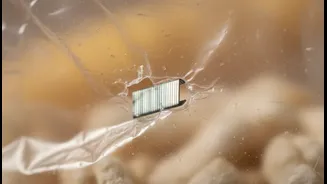
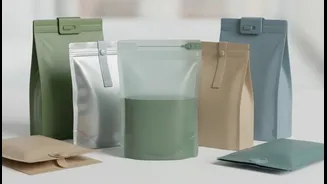
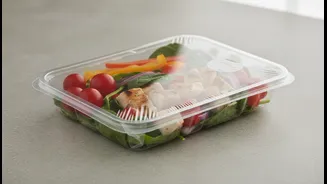
Staples are masters of concealment. Before you transfer food from its packaging, take a moment to inspect it thoroughly. They are often found in the most unassuming places. Pay close attention to the folded creases of paper bags and boxes, where a staple might have been used for a quick seal. Check inside plastic or paper liners, as a pin can easily fall in when the package is opened. They can also be found at the bottom of carry bags, having fallen from a receipt or a smaller packet inside. The FSSAI has specifically noted their use in sealing cake boxes, sweet packets, snack pouches, and various takeaway parcels, which are all common items in household deliveries.
The Serious Health Risks of Ingestion
Swallowing a foreign object is dangerous, but a sharp metal staple presents a heightened level of risk. The immediate danger is choking, but if the staple travels further, it can cause significant harm. A sharp pin can cut or puncture the sensitive tissues of the mouth, throat, oesophagus, stomach, or intestines. Such injuries can lead to internal bleeding, severe pain, and infection. In some cases, a lodged staple may require endoscopic or even surgical removal to prevent life-threatening complications. The small size of a staple makes it easy to swallow without noticing, and symptoms may not appear immediately, making it a particularly insidious threat.
Your Five-Step Safety Check
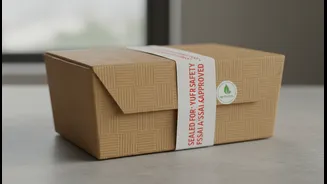
Protecting yourself and your family requires a few simple but conscious steps. First, always handle food parcels with care, assuming a staple could be present. Second, before opening, visually inspect the exterior of the packaging, especially sealed corners and attached bills. Third, instead of eating directly from delivery containers, transfer your food to a plate or bowl at home. This allows you to inspect both the food and the empty packaging for any foreign objects. Fourth, if you find a staple, dispose of it safely away from food preparation areas. Finally, if you consistently receive packages sealed with staples, consider reporting the business to the FSSAI and choosing vendors who use safer alternatives like adhesive tape or heat sealing.
What to Do in an Emergency
If you suspect you or someone else has swallowed a staple, it is crucial to seek medical help immediately. Do not try to induce vomiting, as this can cause further injury on the way up. Watch for symptoms such as pain or difficulty swallowing, drooling, coughing, chest or neck pain, or vomiting. Even if there are no immediate symptoms, it is best to consult a doctor, as they can assess the situation and determine if an X-ray or other intervention is needed. Sharp objects require professional medical evaluation to ensure they pass safely or are removed if necessary.