




What is a Standing Torso Twist?
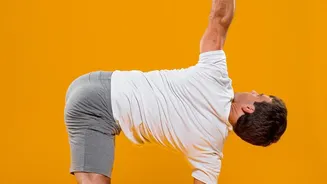
A standing torso twist is a dynamic movement where you rotate your upper body from side to side while keeping your lower body relatively stable. It's designed to gently wake up the muscles of your core, particularly the obliques on the sides of your waist,
and improve mobility in your spine. Unlike some exercises that require you to get on the floor, the standing twist is a low-impact move that's easy to incorporate into the very beginning of a workout routine. The primary goal is to activate the core and prepare it for more complex movements, making it a popular choice for athletes and fitness enthusiasts alike.
The Key Benefits of a Controlled Twist
When performed correctly, the standing torso twist offers several advantages as part of a warm-up. It increases blood flow to the abdominal muscles and back, preparing them for activity. This can lead to improved spinal flexibility, better posture, and enhanced core stability. Engaging these rotational muscles is crucial because a strong, activated core protects the spine and helps generate power in everything from lifting weights to running. By gently moving the spine through its range of motion, you lubricate the joints and prepare the body for the demands of your workout, which can help reduce the risk of injury.
Proper Form: A Step-by-Step Guide
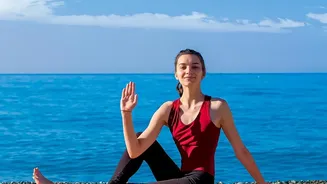
Executing the standing twist with good form is essential for safety and effectiveness. Start by standing with your feet shoulder-width apart and a slight bend in your knees to create a stable base. Engage your core by gently bracing your abdominal muscles. You can either cross your arms over your chest or bend them at a 90-degree angle. Initiate the movement by slowly rotating your torso to one side, leading with your shoulders and chest while trying to keep your hips facing forward. It's helpful to allow your back foot to pivot naturally as you twist. The rotation should come from your mid-back, not from forcefully swinging your arms. Move in a slow, controlled manner, then return to the center and twist to the other side.
The Biggest Mistake: Ballistic Twisting
The most common and dangerous mistake is turning this controlled movement into a rapid, jerky, or bouncing motion. This is known as ballistic stretching. Forcefully swinging or using momentum to push your body past its natural range of motion can increase the risk of pulling a muscle or injuring the ligaments and tendons around your spine. While elite athletes might use ballistic movements for sport-specific training, it's generally not recommended for the average person. The goal of a warm-up twist is to activate muscles, not to force flexibility through momentum. Always prioritize smooth, deliberate rotation over speed and forceful end-range movements.
Dynamic vs. Static Twists
It's important to distinguish between a dynamic twist for a warm-up and a static twist for a cool-down. A dynamic twist, as described above, involves continuous, controlled movement to prepare the body for exercise. It raises your heart rate and warms the muscles. A static twist, on the other hand, would involve holding the rotated position for an extended period (like 20-30 seconds). While static stretching has its place for increasing flexibility, it's generally best saved for after your workout. For a warm-up, dynamic movements like the standing torso twist are more effective at preparing your body for performance.
How to Add Twists to Your Warm-Up
Incorporate standing torso twists after a few minutes of light cardio, like jogging in place or jumping jacks, which will get your blood flowing. Perform 10 to 15 controlled repetitions on each side. Focus on the feeling of your core muscles engaging rather than just going through the motions. You can perform one or two sets. This exercise is an excellent precursor to workouts involving rotational movements (like tennis, golf, or boxing) or any session that relies on core strength, such as squats and deadlifts. The entire movement should feel like a gentle awakening for your core and spine, leaving you feeling more mobile and ready for the workout ahead.