






The Golden Rules of Vrat Eating
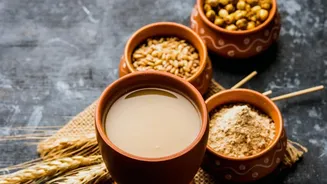
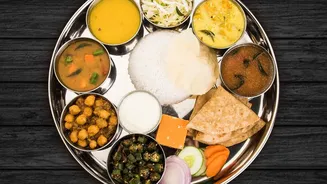
Navratri fasting comes with a specific set of dietary guidelines designed to create a light, or ‘sattvic’, effect on the body. Generally, grains like wheat and rice, lentils, onions, and garlic are avoided. Instead, the focus shifts to alternatives like buckwheat
flour (kuttu ka atta), water chestnut flour (singhare ka atta), and amaranth (rajgira). Dairy products like milk, paneer, and yogurt, along with fruits, most vegetables, and dry fruits are permitted. Sabudana (tapioca pearls) and samak rice (barnyard millet) become key carbohydrate sources. Rock salt, or sendha namak, replaces regular table salt for seasoning.
Power-Up Your Mornings
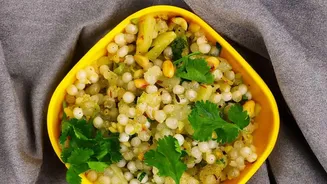
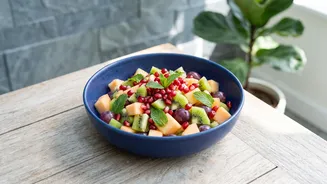
Starting your day with the right meal is crucial for sustained energy. Instead of skipping breakfast, opt for something quick and nourishing. A fruit smoothie with yogurt and a handful of almonds can be prepared in minutes. Another great option is a bowl of fruit chaat topped with walnuts and raisins for instant energy and hydration. If you have a little more time over the weekend, you can prepare a batch of sabudana khichdi or paneer-stuffed kuttu cheelas that can be quickly reheated on busy weekday mornings. These protein and complex carb combinations prevent the energy crashes often associated with fasting.
The Desk-Friendly Lunch
Lunch at your desk doesn't have to be complicated. The key is to pack something that is both satisfying and easy to eat. A simple aloo ki sabzi made with rock salt and paired with kuttu ki puris prepared the night before is a classic choice. For a lighter option, a container of roasted makhana (fox nuts) mixed with peanuts provides a crunchy, filling, and protein-rich meal. A farali dhokla made from samak rice is another excellent make-ahead option that stays soft and is easy to pack. Pair it with a simple mint-yogurt dip for a complete and refreshing lunch.
Beat the Afternoon Slump
The post-lunch hours are often when energy levels dip the most. Instead of reaching for sugary drinks, plan for a healthy snack. A handful of mixed nuts like almonds and walnuts can provide the healthy fats and protein needed to power through your afternoon. Fruits like bananas or apples are also excellent choices for a quick energy boost. For something more substantial, sweet potato chaat—made from boiled and cubed sweet potatoes mixed with lemon juice and sendha namak—is both delicious and sustaining.
Simple and Satisfying Dinners
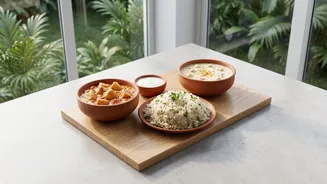
After a long day of work and fasting, your final meal should be nourishing but not heavy, ensuring you rest well. A simple samak rice pulao, cooked with vegetables like potatoes and carrots, is a comforting and easy-to-digest option. Another quick dinner is paneer bhurji (scrambled cottage cheese) seasoned with tomatoes and mild spices, which you can have with rajgira or singhara atta rotis. A bowl of lauki ki sabzi (bottle gourd curry) is also a light and hydrating choice that helps you wind down.
Hydration is Non-Negotiable
It's easy to forget to drink enough water when you're not having regular meals. Dehydration is a primary cause of fatigue and headaches during fasting. Keep a water bottle on your desk at all times as a constant reminder. In addition to water, incorporate other hydrating fluids like coconut water, buttermilk (chaas), and herbal teas. These not only replenish fluids but also help maintain your body's electrolyte balance, keeping you alert and focused throughout the day.