




The Foundation of Fasting: What to Avoid
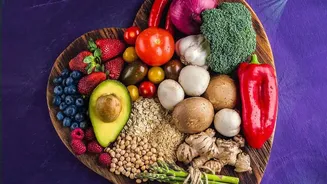
The core principle of the Janmashtami fast is to consume a sattvic diet, which is considered pure and calming for the mind and body. This means several everyday food staples are avoided. The most significant restriction is on grains and cereals, so items
like wheat, rice, and lentils (dal) are not consumed. Additionally, many common vegetables, including onions and garlic, are avoided because they are considered 'tamasic,' or foods that can cause mental restlessness. Non-vegetarian foods like meat, fish, and eggs are strictly prohibited. Regular table salt is also replaced during the fast, and processed or packaged foods are generally discouraged to maintain the purity of the diet.
Grain-Free Flours: Your Fasting Staples
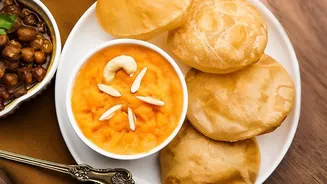
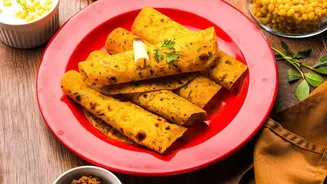
With regular grains off the menu, a variety of nutrient-dense, gluten-free flours form the backbone of vrat cooking. Kuttu ka atta (buckwheat flour), singhara ka atta (water chestnut flour), and rajgira ka atta (amaranth flour) are popular choices. These can be used to prepare a range of dishes, from puris and parathas to cheelas (pancakes). Amaranth flour has an earthy flavour, while buckwheat is packed with fibre. These alternatives are not just placeholders; they are nutritious ingredients that provide sustained energy throughout the day.
Vrat-Friendly Rice and Starches
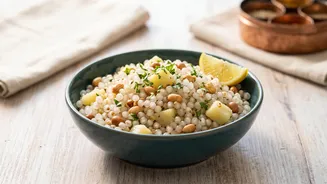
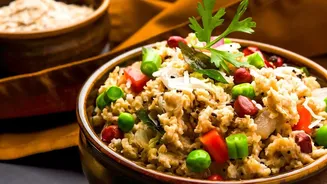
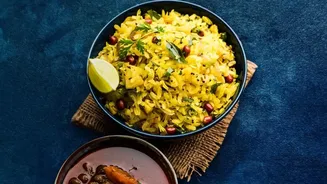
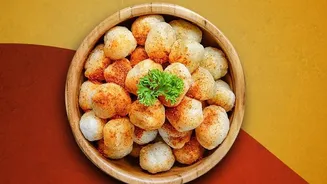
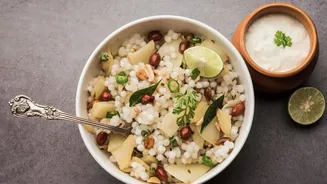
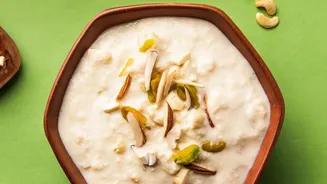
For those who miss rice, Samak ke chawal, or barnyard millet, is the perfect substitute. Despite its name, it is a type of millet, not a true rice, making it permissible for the fast. It can be used to make dishes like khichdi, pulao, and even kheer. Another incredibly versatile fasting staple is sabudana (tapioca pearls). It's used to make beloved dishes like Sabudana Khichdi, Sabudana Vada, and creamy Sabudana Kheer. Potatoes and sweet potatoes are also widely consumed, providing essential carbohydrates and can be cooked in various ways, from simple boiled preparations to more elaborate vegetable dishes.
Embrace Fruits and Dairy
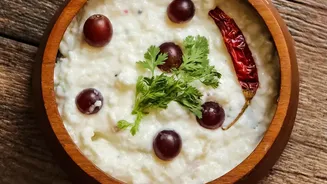
Fruits are a cornerstone of the 'phalahar' fast, which is the most common type of Janmashtami vrat. All fresh fruits like bananas, apples, pomegranates, and mangoes are permitted and provide natural sugars, vitamins, and hydration. Dairy products are also central to the fasting diet. Milk, curd (yoghurt), paneer, and butter are all allowed. Many devotees enjoy fruit chaats, milkshakes, or a simple bowl of curd to stay refreshed. Panchamrit, a traditional offering made from milk, yoghurt, ghee, honey, and sugar, is also an important part of the puja and is consumed by devotees.
Nuts, Seasonings, and Staying Hydrated
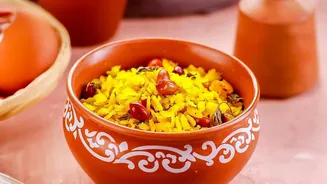
To add flavour and crunch, a variety of nuts and seeds are permitted. Almonds, walnuts, cashews, and peanuts are excellent sources of healthy fats and protein. Makhana (fox nuts) are a particularly popular fasting snack, often roasted in ghee and lightly salted. When it comes to seasoning, regular table salt is replaced with sendha namak (rock salt). Spices like cumin, black pepper, and coriander powder are generally used to flavour dishes. It is also crucial to stay hydrated, especially if you are not observing a 'nirjala' (waterless) fast. Water, coconut water, and fresh fruit juices are encouraged.
A Note on Preparation
While many ingredients are allowed, how they are prepared also matters. It's easy to fall into the trap of consuming too many deep-fried foods like kuttu ke pakore or sabudana vadas. While delicious, these can leave you feeling heavy and lethargic. To keep the spirit of the fast, which is about discipline and purity, try to balance fried foods with lighter options. Opt for roasted makhana instead of fried, or a simple samak khichdi instead of heavy puris. This ensures your fasting thali is both celebratory and balanced.