

The Allure of Overflowing Reservoirs
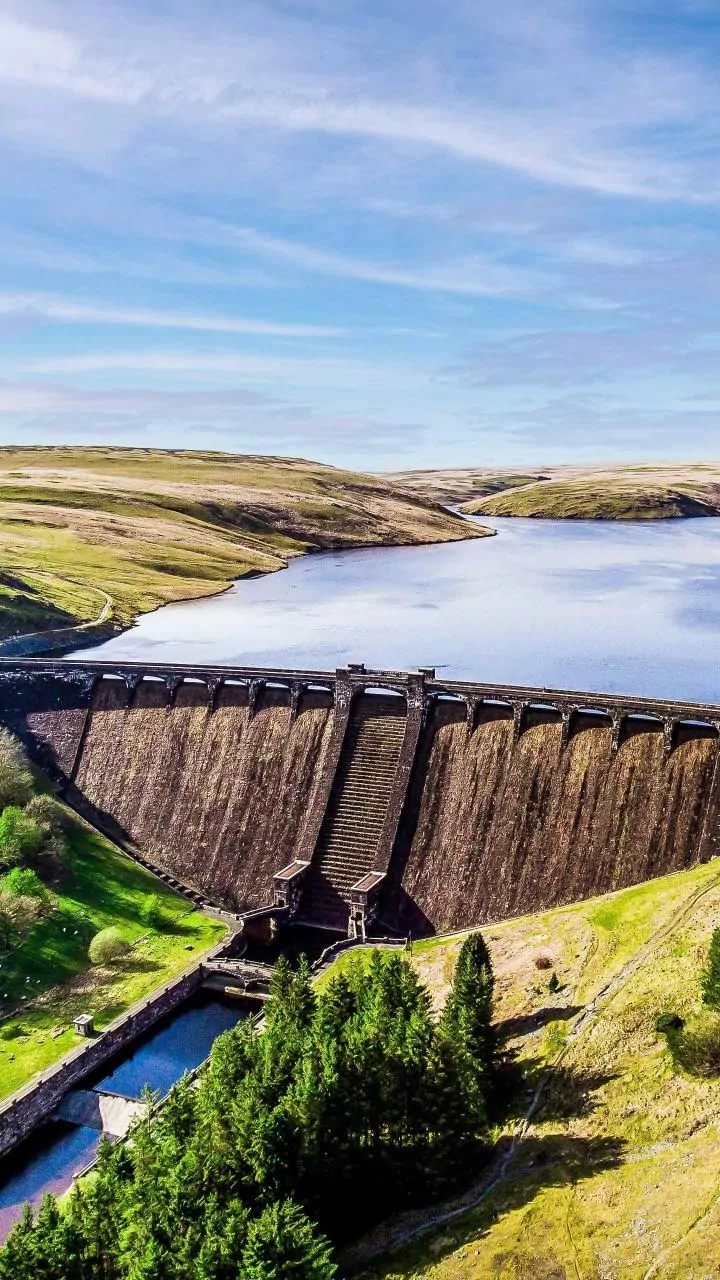
A trip to a dam in Maharashtra during the rainy season is about more than just the structure itself; it’s an immersive experience. From June to September, the landscape undergoes a breathtaking change. Arid hills become lush carpets of green, seasonal
waterfalls cascade down rocky faces, and the air grows cool and misty. The dams, many of which are vast reservoirs, fill to the brim, often creating spectacular sights as excess water is released through spillways. This abundance of water and life turns these functional structures into epicentres of natural beauty, attracting road-trippers and nature lovers from Pune, Mumbai, and beyond seeking a refreshing escape.
Bhandardara: The Classic Monsoon Getaway
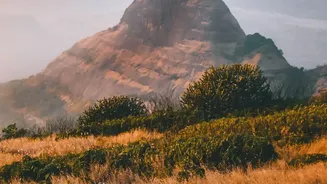
Often considered one of the state's premier monsoon destinations, Bhandardara is a complete package. Located in the hills near Igatpuri, it's accessible from both Mumbai (around 165 km) and Pune (around 172 km). The main attraction is the Wilson Dam, built on the Pravara River, which creates the serene Arthur Lake. During the monsoon, the dam's spillway forms the famous Umbrella Falls, a sight to behold. Nearby Randha Falls also becomes a powerful, roaring cascade. The area offers opportunities for lakeside picnics, visiting the ancient Amruteshwar Temple, and even trekking to Mount Kalsubai, Maharashtra's highest peak, for panoramic views of the misty landscape.
Mulshi Dam and Tamhini Ghat: A Driver’s Delight
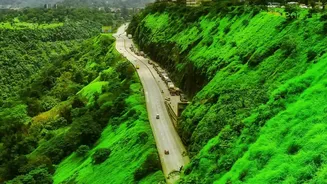
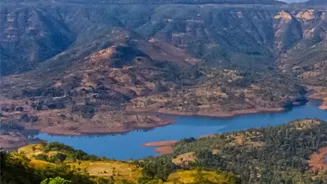
For many, the journey to Mulshi is as captivating as the destination. The drive, especially through the famed Tamhini Ghat, is a quintessential monsoon road trip from Pune (around 45 km). As you ascend the ghat, you're greeted with dozens of waterfalls, dense fog, and sweeping views of the valleys below. The Mulshi Dam itself, on the Mula River, creates a vast, tranquil lake surrounded by rolling hills. While access to the dam's edge is limited, the scenic drive around the reservoir offers plenty of spots to stop, enjoy the view, and sip on hot corn and chai from roadside stalls. The best time to experience its beauty is from June to September when the scenery is at its most dramatic.
Panshet and Khadakwasla: Pune’s Backyard Dams
For those in Pune, a refreshing monsoon experience is just a short drive away. The circuit of Khadakwasla, Panshet, and the nearby Varasgaon dam is a popular weekend plan. Khadakwasla, only 20 km from the city, is the first stop and a beloved hangout spot known for its lakeside chowpatty. Continuing another 30 km brings you to Panshet Dam, also known as Tanajisagar Dam. It’s a hub for water sports like kayaking and speed boating set against a backdrop of green hills. The drive itself is scenic, winding through small villages and offering glimpses of the expansive backwaters. This dam circuit provides a perfect, easily accessible day trip to soak in the monsoon atmosphere without venturing too far from the city.
Pawna Lake: Camping Amidst the Clouds
While technically a reservoir formed by the Pawna Dam, Pawna Lake has carved out its own identity as a premier camping destination near Lonavala. During the monsoon, the experience is transformed. The surrounding hills, including the forts of Tikona and Lohagad, are shrouded in mist, and the landscape turns a vibrant green. Many campsites remain open, offering waterproof tents and a unique opportunity to wake up to misty lakeside views. While heavy rain might pause some activities, the sheer beauty of the location makes it a worthwhile trip. It is an ideal fit for those looking to combine the monsoon greenery with an overnight adventure, easily reachable from both Mumbai and Pune.
Essential Tips for a Safe Monsoon Trip
Driving in Maharashtra during the monsoon requires caution. Roads, especially in ghat sections, can be slippery and prone to fog, reducing visibility. It's crucial to check your vehicle's tyres, wipers, and headlights before you start. Drive slowly, maintain a safe distance from other vehicles, and avoid sudden braking. Always check the latest weather alerts, particularly if you plan to visit hilly areas, as heavy rains can sometimes lead to temporary road closures. Finally, wear sturdy footwear with good grip for exploring, as paths can be muddy and slippery.