



The Microbiome: An Inner Ecosystem
Our digestive tract is home to trillions of microorganisms, collectively known as the gut microbiome. This bustling community of bacteria, fungi, and other microbes is vital for our health. It helps digest food, produces essential vitamins, and plays
a crucial role in training and supporting our immune system. Maintaining a diverse and balanced microbiome is key to staying healthy. When this balance is disrupted, it can leave us more vulnerable to illness. Antibiotics, while often necessary for fighting infections, are known to disturb this delicate ecosystem by eliminating both harmful and beneficial bacteria.
Sugar's Surprising Role in Antibiotic Harm
Recent scientific findings have uncovered a startling connection between sugar consumption and the side effects of antibiotics. A major study published in the journal Nature on September 30, 2026, found that eating sugary foods and drinks while taking antibiotics can significantly worsen the damage to the gut microbiome. Researchers discovered that for every 100 grams of sugar consumed, the diversity of gut microbes dropped by an additional 21-24%. This loss of diversity allows more resilient, and sometimes harmful, bacteria to thrive. The study specifically noted that the combination of sugar and antibiotics led to a bloom of Enterococcus faecium, a bacterial species linked to hard-to-treat infections.
How Sugar Fuels the Problem
The research suggests that after antibiotics wipe out a broad range of gut bacteria, the surviving species, including potentially harmful ones, can use dietary sugars as a readily available fuel source to multiply rapidly. This was observed in a study where mice given a high-sucrose diet alongside an antibiotic saw a more than 33-fold increase in their Enterococcus population after six days. The findings were particularly surprising because they implicated foods often recommended to hospital patients, like nutritional shakes and smoothies, which can be high in sugar. This suggests that even with good intentions, a high-sugar diet during antibiotic treatment could unintentionally be making the gut environment less healthy.
The Western Diet and Gut Resilience
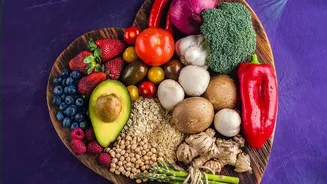
It’s not just about the sugar you eat while on medication. Broader dietary patterns also play a significant role. Research indicates that a typical Western diet—high in processed foods, fat, and sugar, but low in fiber—can impair the gut microbiome's ability to recover after a course of antibiotics. Such a diet reduces the variety of microbes and the beneficial compounds they produce. Studies have shown that mice on a Western-style diet were unable to rebuild a healthy microbiome post-antibiotics and were more susceptible to infections. Conversely, a diet rich in plant-based fiber from fruits, vegetables, and whole grains helped restore the gut microbiome much more quickly.
How to Support Your Gut
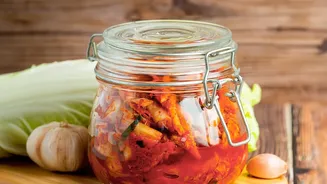
While emerging research highlights potential problems, it also points toward solutions. To support your gut health, especially during and after a course of antibiotics, consider reducing your intake of simple sugars. After finishing antibiotics, focus on rebuilding your microbiome. Eating high-fiber foods can help restore healthy gut bacteria. Prebiotic foods like garlic, onions, and bananas act as 'fertilizer' for good bacteria. Fermented foods like yogurt with live cultures, kefir, and kimchi are excellent sources of probiotics, which are live beneficial bacteria that help repopulate the gut. Consistency is key; incorporating these foods into your regular diet can help maintain a resilient and diverse inner ecosystem.