



A World Beyond Daylight
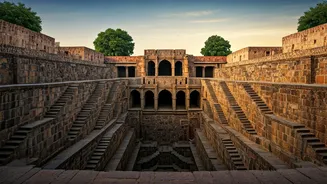
During the day, India’s magnificent stepwells—known as baoris or vavs—are marvels of engineering and geometry. The sun beats down, casting sharp, predictable shadows that trace their intricate steps. But at night, these subterranean structures transform
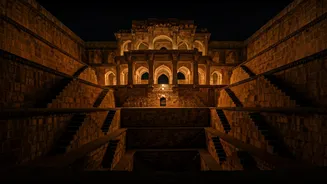
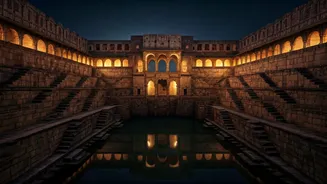
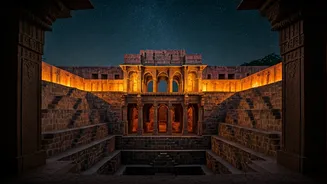
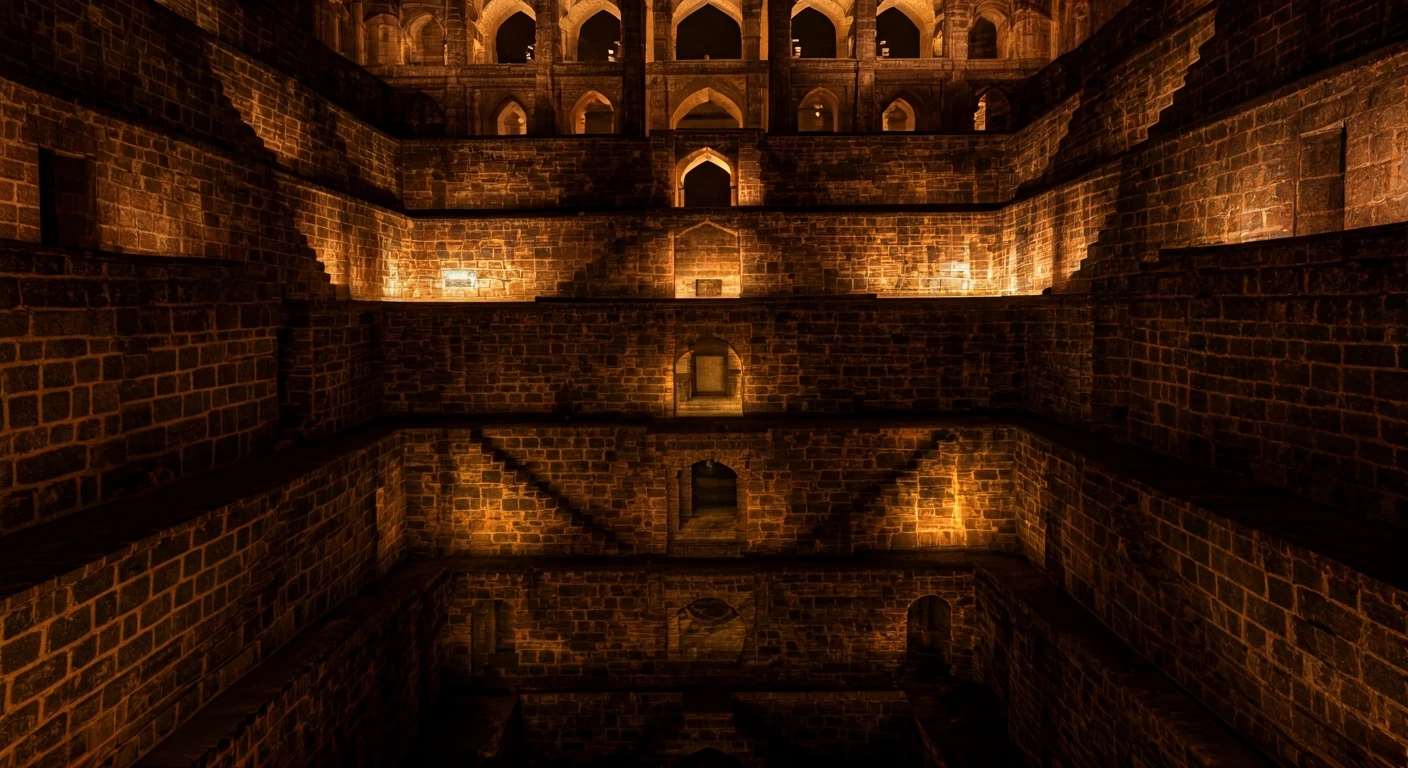
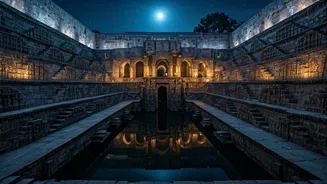
entirely. Under the glow of artificial lighting, the experience shifts from one of architectural appreciation to one of pure atmosphere and discovery. The harsh glare of noon is replaced by a soft, dramatic luminescence that carves the structures out of the darkness. This is why a growing community of photography enthusiasts are seeking out these sites after hours. The quiet, the cooler air, and the interplay of light and shadow offer a perspective that daylight simply cannot match. It’s a chance to see these centuries-old wonders not as static monuments, but as living, breathing spaces with secrets to reveal.
The Allure of Stone and Shadow
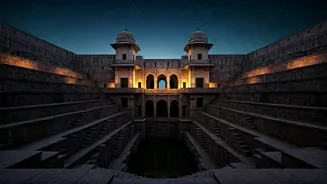
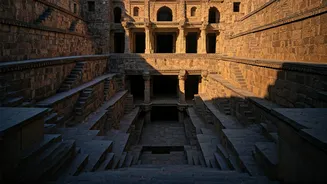
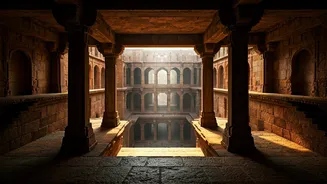
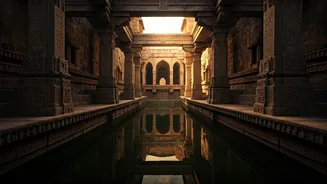
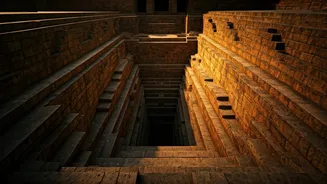
What makes a stepwell so captivating for a night photographer? It’s the inherent drama of the architecture itself. These are not flat, two-dimensional facades; they are inverted pyramids descending deep into the earth. Each level is a complex lattice of pillars, pavilions, balconies, and staircases. At night, strategic lighting highlights these repeating patterns, creating mesmerizing graphic compositions. The light catches the texture of the stone, revealing carvings and reliefs of deities, animals, and daily life that might be washed out in the bright sun. The deep, dark void of the well at the bottom provides a powerful negative space, drawing the eye downward and emphasizing the structure's incredible depth. For an architecture buff, this is a masterclass in form and function, where the play of light reveals the genius of the original builders in a way that feels both intimate and monumental.
Capturing the Descent After Dark
Photographing a stepwell at night is a technical challenge that rewards patience and preparation. Unlike a quick daytime snapshot, it requires a more deliberate approach. A sturdy tripod is non-negotiable for the long exposures needed to capture the scene in low light without blur. Photographers often use shutter speeds of several seconds, allowing the camera’s sensor to soak in the ambient light and reveal the full detail of the stonework. This technique also has the beautiful side effect of smoothing the water at the bottom of the well into a glassy, reflective surface. Composition is key. Many photographers focus on leading lines, using the endless staircases to guide the viewer’s eye into the frame. Capturing the sheer scale is another goal; placing a person (if permitted and safe) on one of the levels can provide a powerful sense of the well’s immense size. The goal isn’t just to document the place, but to capture its soul—the feeling of standing on the edge of history, looking down into a beautifully illuminated abyss.
Where to Experience the Magic
While not all stepwells are accessible or illuminated at night, some have become beacons for this unique experience. The Adalaj Stepwell, just outside Ahmedabad in Gujarat, is perhaps the most famous destination for night photography. Its five stories of intricately carved platforms and pillars are beautifully lit after sunset, making it a popular spot for locals and photographers alike. The site remains open until the evening, offering a generous window to capture its nocturnal beauty. Other famous stepwells, like the UNESCO World Heritage Site Rani ki Vav in Patan, or the stunningly geometric Chand Baori in Rajasthan, may have more restricted access. Night viewing at these protected sites is often limited to special festivals or may require specific permissions. For the dedicated architecture lover, however, researching these opportunities is part of the adventure—a quest to witness these masterpieces in their most dramatic and contemplative state.