






A Different Kind of Warmth
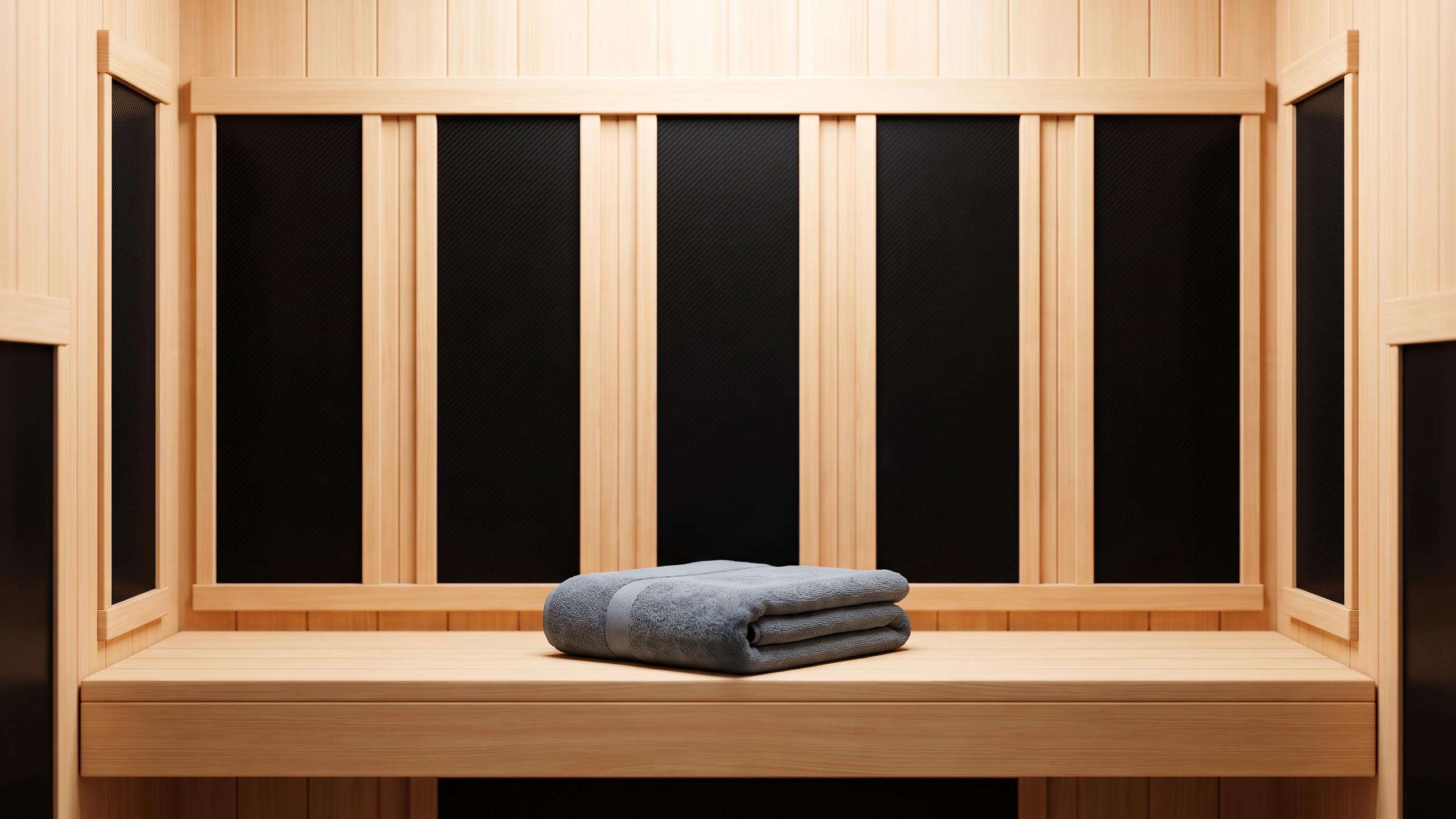
Unlike a traditional sauna that heats the air around you to very high temperatures, an infrared sauna uses infrared light waves to heat your body directly. This allows the heat to penetrate more deeply into your tissues—up to 1.5 inches beneath the skin—at
a much lower and more comfortable ambient temperature, typically between 120°F and 150°F. This direct-to-body heating process is what makes the experience feel gentler and allows for longer sessions, all while triggering a series of beneficial physiological responses without the stifling heat of a conventional sauna.
Dialing Down Stress Hormones
Chronic stress keeps our bodies in a state of high alert, primarily driven by the hormone cortisol. While essential for our 'fight or flight' response, persistently high cortisol levels can lead to anxiety, poor sleep, and a weakened immune system. Research suggests that regular infrared sauna use can help lower elevated cortisol levels. The gentle, radiant heat promotes relaxation, helps relax tense muscles, and supports the parasympathetic nervous system—our body's 'rest and digest' state. By creating a calming environment, the body can shift away from stress hormone production, and some studies show that repeated sauna use leads to a decrease in serum cortisol concentrations.
Accelerating Post-Exercise Recovery
Anyone who has pushed themselves during a workout is familiar with delayed onset muscle soreness (DOMS). This stiffness and aching is the result of microscopic tears and inflammation in the muscles. Infrared saunas can be a powerful tool for speeding up recovery. The deep-penetrating heat increases blood circulation, which delivers more oxygen-rich blood to tired muscles. This enhanced blood flow helps to repair tissue faster while flushing out metabolic waste products that contribute to soreness and fatigue. Several studies have shown that post-exercise infrared sauna use can reduce muscle soreness and help preserve neuromuscular performance, allowing you to bounce back faster for your next session.
The Science of Better Blood Flow
The core benefit for both stress and recovery comes down to improved circulation. As infrared heat warms your body from the inside out, your blood vessels dilate, a process called vasodilation. Your heart rate increases, mimicking the effects of moderate exercise like a brisk walk. This cardiovascular response is key. For recovery, it means more oxygen and nutrients are delivered to damaged muscle tissues, supporting the body's natural repair processes. For stress, improved circulation can contribute to lower blood pressure and a greater sense of calm. This process also stimulates a deep sweat, which is one of the body's natural ways to eliminate toxins.
Making It Part of Your Routine
Consistency appears to be more important than the specific format of heat therapy. To reap the benefits for stress management and workout recovery, incorporating infrared sauna sessions into your weekly routine is key. Many users start with two to four sessions per week, lasting anywhere from 20 to 30 minutes. It's crucial to stay hydrated before, during, and after your session by drinking plenty of water. The goal is to feel relaxed and rejuvenated, not exhausted. Listen to your body and adjust the duration and temperature to find what feels most comfortable and effective for you. Over time, your body will adapt to the heat, allowing you to potentially extend your sessions for even greater benefit.