



An Unusually Intense August
Across India, from the north to the south, this year's monsoon has been particularly active in early August. The India Meteorological Department (IMD) has issued multiple alerts for heavy to very heavy rainfall in states including Kerala, Karnataka, Himachal
Pradesh, and across the Northeast. In Kerala, for example, the first five days of August saw 149% excess rainfall, leading to saturated ground and heightened risk of flash floods. This intense weather pattern, fueled by various atmospheric systems, means that roads are more susceptible to waterlogging, damage, and closures, making travel unpredictable and often hazardous.
Key Disruption Hotspots
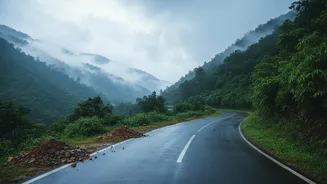
Urban centres and hilly regions are bearing the brunt of the downpours. In major cities like Delhi, Mumbai, and Bengaluru, heavy rains have repeatedly led to severe waterlogging, turning main roads into gridlocked waterways and causing chaos for commuters. The Andheri subway in Mumbai, the Mehrauli-Badarpur Road in Delhi, and low-lying areas of Bengaluru are common choke points. Meanwhile, in states like Himachal Pradesh and Kerala, the threat is from landslides, which have already blocked numerous roads, including national highways. In early August, Himachal reported over 100 roads closed due to landslides, primarily in Mandi and Kullu districts. These incidents underscore the need for extreme caution when travelling on ghat roads or through hilly terrain.
Finding Your Plan B
Given the dynamic nature of monsoon disruptions, having a single backup route is often not enough. The key is to leverage technology and official sources for real-time information. Before starting your journey, and even during, check live traffic updates on apps like Google Maps or Waze. These services often incorporate user-reported data on road closures and waterlogging. Additionally, follow the official social media handles of local traffic police departments. Many city police forces, including those in Delhi and Bengaluru, now provide timely updates on diversions and blocked routes. This proactive approach allows you to adapt your journey on the fly, saving time and avoiding dangerous situations.
Your Monsoon Travel Checklist
Beyond just planning your route, being prepared for the journey itself is critical. First, ensure your vehicle is monsoon-ready: check your tyres for adequate tread, ensure your wipers are functioning perfectly, and test your brakes. Slippery roads demand a vehicle in top condition. Second, pack a basic emergency kit. This should include drinking water, some non-perishable snacks, a powerful torch, a first-aid kit, and a fully charged power bank for your phone. Roads that are clear one moment can become blocked the next, and you could be stranded for hours. Informing family or friends of your intended route and estimated time of arrival is also a wise precaution.
When the Safest Route is No Route
Perhaps the most important piece of advice is knowing when not to travel at all. If the IMD has issued a red or orange alert for your area, it signifies a high risk of severe weather with the potential to cause significant disruption and danger to life. In such situations, authorities often advise residents to stay indoors and avoid all non-essential travel. Postponing your journey is always a better option than risking getting caught in a flash flood or a landslide. Pay close attention to official advisories from disaster management authorities and local administrations. Prioritising safety over urgency is the smartest decision you can make during a particularly aggressive monsoon spell.