


A Global Trend Finds Local Roots
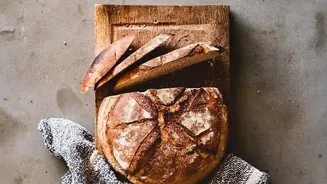
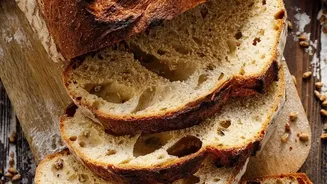
Not long ago, bread in urban India was largely limited to soft, white, pre-packaged loaves. Today, bakeries and home kitchens are alive with the tangy scent of sourdough. What began as a lockdown obsession for many has blossomed into a full-fledged culinary
movement. While sourdough’s appeal—its complex flavour, gut-friendly fermentation, and artisanal nature—is universal, its expression in India is becoming wonderfully unique. Instead of simply replicating European or American recipes, Indian bakers are looking inwards, using the versatile sourdough starter as a canvas for the subcontinent's incredible agricultural diversity.
The Rise of Ancient Grains
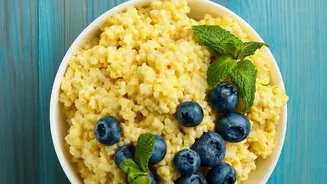
The most significant innovation is the re-embrace of ancient Indian grains. Flours like ragi (finger millet), jowar (sorghum), and bajra (pearl millet) are replacing a portion of the refined wheat flour traditionally used in sourdough. These heritage grains, long a staple in regional diets, are making a comeback in modern urban kitchens. Bakers are finding that millets, for instance, not only add a unique, nutty flavour and dense texture but also boost the bread's nutritional profile. Ragi, celebrated for its high calcium and fibre content, lends a deep, earthy colour and complexity to the loaf. This shift is driven by a growing awareness among consumers about diversifying their diet and reconnecting with traditional food wisdom.
A Seasonal Slice
The innovation doesn't stop at grains. Bakers are infusing their dough with a vibrant palette of seasonal and regional ingredients. Think of sourdough loaves swirled with the golden warmth of turmeric, spiced with ajwain, or given a savoury kick with green chilli and coriander. Some bakeries are even creating loaves inspired by regional flavour profiles, like a 'tadka' sourdough brushed with ghee infused with mustard seeds and curry leaves. In another creative twist, some are experimenting with raw jackfruit flour, a gluten-free alternative known for its high-fibre content, which can be incorporated into doughs. This mirrors a broader trend in Indian cuisine: a renewed focus on eating seasonally and celebrating local produce at its peak.
More Than Just Bread
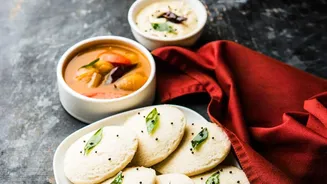
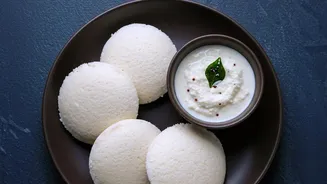
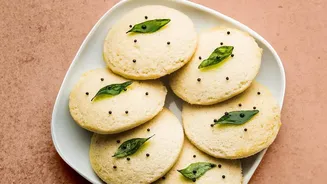
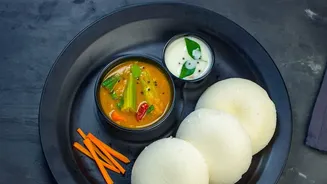
This movement is about more than just creating novel flavours. It represents a deeper cultural shift. For generations, fermentation has been a cornerstone of Indian cooking, from idli and dosa batter to homemade pickles and curd. The sourdough trend connects this traditional knowledge with a global craft, creating something that feels both new and deeply familiar. Artisanal bakers, from small home-based businesses to established bakeries, are at the forefront of this change. They are not just selling bread; they are educating consumers about the benefits of slow fermentation, the importance of local grains, and the joy of eating wholesome, preservative-free food. By championing ingredients like ragi and jowar in a modern, aspirational format like sourdough, they are helping to elevate these humble grains and secure their place in the contemporary Indian pantry.