

Why Bother With Peels?
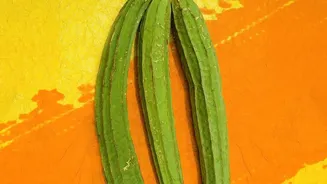
Before we get into safety, let's talk about the 'why'. Using bottle gourd (lauki) peels is a fantastic step towards a zero-waste kitchen. Beyond sustainability, the peels are a surprising source of nutrients. They contain a good amount of dietary fibre,
which is excellent for digestion and can help you feel full longer. The skin also holds vitamins and antioxidants that contribute to overall health. By using the peels, you are not only reducing food waste but also adding a nutritious component to your meal that would have otherwise ended up in the bin.
Understanding the Primary Risks
While lauki peels are edible, there are two main safety concerns to be aware of: pesticide residue and a natural toxin called cucurbitacin. Pesticides are a common concern for most non-organic produce, as residue can cling to the skin. The second, and more serious risk, is cucurbitacin. This is a class of compounds found in the gourd family (which includes cucumbers and squash) that gives them a bitter taste. While normally present in very low, harmless amounts, certain factors like environmental stress on the plant can cause these levels to spike, making the gourd toxic. This bitterness is not destroyed by cooking.
The Most Important Safety Step: The Taste Test
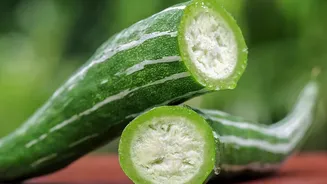
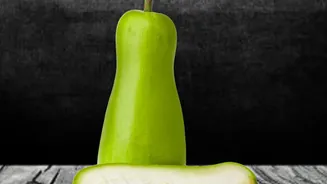
There is one non-negotiable rule before you cook any part of a bottle gourd: you must taste it first. Cut a small piece of the gourd's raw flesh and taste it. If it tastes unusually bitter, spit it out immediately and discard the entire vegetable. Do not try to cook it, as the toxins cannot be neutralized by heat. Ingesting a bitter bottle gourd can lead to 'toxic squash syndrome,' with symptoms appearing rapidly, including nausea, vomiting, abdominal pain, and diarrhoea. In severe cases, it can cause gastrointestinal bleeding and shock, requiring immediate medical attention. If the flesh tastes mild and pleasant, the gourd is safe to use.
A Guide to Thoroughly Cleaning Peels
Once you've confirmed the gourd isn't bitter, the next step is to remove any surface contaminants. This is crucial for eliminating dirt, bacteria, and pesticide residues. The Food and Drug Administration (FDA) recommends washing all produce under clean, running water before cutting or peeling. For a firm vegetable like bottle gourd, use a clean vegetable brush to scrub the entire surface thoroughly. There is no need to use soap, detergents, or special produce washes, as plain water and a good scrub are effective. After washing, dry the gourd with a clean cloth or paper towel to further reduce any lingering bacteria. If possible, opting for organically grown bottle gourds can also help minimize your exposure to synthetic pesticides.
Preparing the Peels for Your Kebabs
After cleaning, peel the bottle gourd. Some recipes suggest using a knife instead of a peeler to retain a thin layer of flesh with the skin, which can add a better texture to your kebabs. The peels themselves can be tough, so they need to be processed to become palatable. A common method is to boil or pressure cook the peels until they are very tender. Often, they are cooked along with a small amount of chana dal (split chickpeas), which will form the base of the kebab. Once cooked and cooled, this mixture is transferred to a grinder or food processor. Blend it into a coarse or smooth paste, depending on your preferred kebab texture. This paste is now the foundation for your dish.
Crafting the Perfect Peel Kebabs
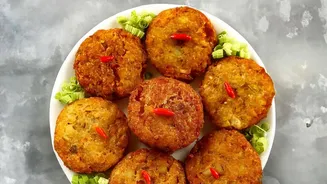
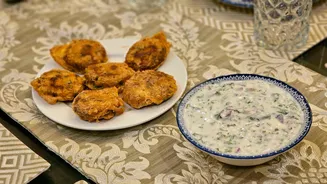
With the peel paste ready, the process is similar to making any other vegetable kebab. Transfer the paste to a mixing bowl. To this, add your binding agents and flavourings. Common additions include gram flour (besan), breadcrumbs, or roasted sattu flour to absorb excess moisture and help shape the kebabs. For flavour, mix in finely chopped onions, green chillies, ginger, garlic, and fresh coriander. Aromatic spices like garam masala, coriander powder, red chilli powder, and chaat masala will give your kebabs that signature taste. Mix everything thoroughly, season with salt, and shape the mixture into small, flat patties. The kebabs can then be shallow-fried on a non-stick pan with minimal oil until they are golden brown and crisp on both sides.