


From Hair to Root: The ‘Skinification’ Movement
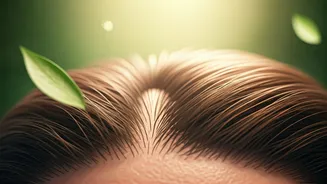
The latest evolution in beauty is the “skinification” of hair, a trend that applies the principles of skincare to your scalp and hair. [2, 10] The logic is simple: your scalp is skin, an extension of your face that is often neglected. [5, 18] Factors
like pollution, product buildup, and stress can compromise its health, leading to common issues like dandruff, oiliness, dryness, and even hair loss. [4, 7] Instead of just treating the hair strands, this approach focuses on creating a healthy environment for the hair follicles to thrive. [3, 9] This means moving beyond basic shampoos to multi-step routines that include exfoliants, serums, and targeted treatments with sophisticated, science-backed ingredients traditionally found in skincare. [8]
Why Your Scalp Matters More Than You Think
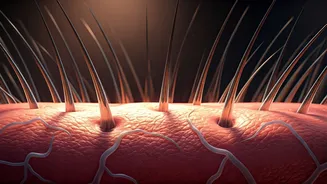
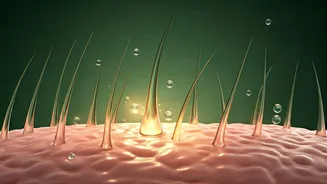
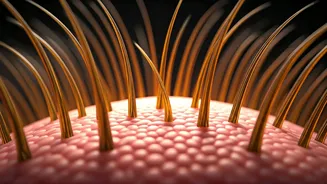
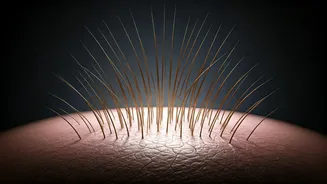
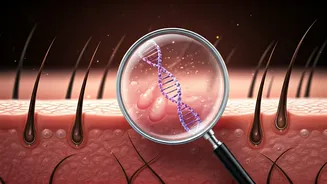
A healthy scalp is the foundation for healthy hair. [3, 9, 19] Each strand grows from a follicle embedded in the scalp, which is nourished by a network of blood vessels. [17] When the scalp is balanced, clean, and has good circulation, nutrients and oxygen can reach the follicles efficiently, promoting optimal hair growth cycles. [11, 18] An unhealthy scalp—one that is inflamed, clogged with buildup, or has a disrupted microbiome—can interfere with this process. [9, 19] This can lead to weaker hair, increased shedding, dullness, and breakage. [7, 9] By focusing on the scalp, you're not just improving its condition; you're investing in the long-term strength, density, and appearance of your hair. [3, 29]
The 'Anti-Shortcut' Philosophy Explained
This trend is dubbed the 'anti-shortcut' because it stands in direct opposition to quick fixes. While dry shampoos and styling products can offer immediate cosmetic benefits, over-reliance on them can lead to buildup that clogs follicles and irritates the scalp. [30] Scalp care is a long-term wellness practice focused on prevention and foundational health rather than masking problems. [14] It requires consistency and patience, understanding that visible results like thicker, shinier hair develop over time as the scalp environment improves. [1, 9] It’s about cultivating health from the root, not just spritzing on a temporary solution.
How to Build Your Scalp Care Routine
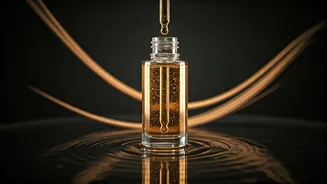
Building a scalp care routine doesn't have to be complicated and can be adapted for your specific needs, whether your scalp is oily, dry, or sensitive. [1, 6] **1. Exfoliate (Weekly):** Just like your face, your scalp benefits from exfoliation to remove dead skin cells and product buildup. [11, 16] You can use a physical scrub or a chemical exfoliant with ingredients like salicylic acid or glycolic acid. [16, 24] This helps keep follicles clear and ready to absorb nutrients. [11] **2. Cleanse Properly:** Focus shampoo on the scalp, using your fingertips (not nails) to gently massage it in. [16, 17] A double-cleanse method can be effective, starting with a clarifying shampoo to break down residue and following with a gentler, hydrating one. [1] **3. Treat & Moisturise:** This is where serums and oils come in. [5] After washing, apply a lightweight, targeted serum directly to the scalp. Look for products that absorb quickly and don't leave a greasy residue. [29] These treatments deliver concentrated active ingredients to address specific concerns like dryness, oiliness, or thinning. [29] **4. Massage (Daily):** A daily scalp massage for a few minutes can boost blood circulation, which helps deliver essential nutrients to the hair follicles. [3, 16] You can use your fingertips or a silicone scalp massager on dry hair or while shampooing. [1, 17]
Hero Ingredients to Look For
The new generation of scalp care products is packed with ingredients borrowed from high-performance skincare. [8, 14] For hydration, look for hyaluronic acid and glycerin. [15, 22] To control oil and exfoliate, salicylic acid is a key ingredient. [1, 24] Niacinamide (Vitamin B3) helps soothe irritation and regulate oil production, while peptides can support stronger, thicker-looking hair. [15, 24] For dry or irritated scalps, ceramides help repair the skin’s barrier, and natural oils like tea tree and argan can soothe and moisturize. [1, 22] Antioxidants like Vitamin C and E help protect the scalp from environmental stressors. [21]