




Why Your Post-Diwali Trip Will Cost More
Once the family gatherings and festive obligations of Diwali wind down, a growing number of Indians are looking to unwind with a short vacation. This creates a concentrated rush for hotels in popular leisure destinations, colliding with the start of the peak
winter travel and wedding season. The result is a classic case of high demand meeting limited supply. According to travel industry insiders, this predictable surge allows hotels to implement dynamic pricing, where rates climb steeply as availability drops. Data shows that festive bookings are already pacing 10-15% ahead of last year, indicating that the demand is stronger than ever and travellers are catching on to the need to plan ahead.
By The Numbers: The Post-Festive Price Hike
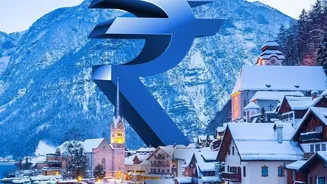
The price increases are not trivial. According to one analysis of over 3,000 properties, average mid-scale hotel rates are expected to jump by nearly 27% in the week immediately following Diwali. For premium or luxury properties, rates could climb from a pre-festive average of around ₹26,000 to over ₹31,000. Destinations like Goa are expected to see the steepest increases, with some premium hotel rates potentially climbing by over 40% in the latter half of November. Even before these post-Diwali spikes, overall average nightly room rates during the festive season have already climbed by 17% year-on-year to around ₹8,500. This trend suggests that waiting until the last minute could add a significant cost to your holiday budget.
The Early Bird Advantage: When to Book
The secret to beating the price surge is simple: book early. Travel experts are increasingly advising travellers to secure their post-Diwali bookings as early as August and September. Data from travel platforms confirms this shift in behaviour, with the average booking lead time increasing from 20 days to nearly 29 days. A significant portion of travellers, around 16%, are now booking their festive trips a full two months in advance. By booking 8 to 12 weeks ahead, travellers not only lock in lower prices but also get a better selection of properties, from boutique hotels to sought-after beachfront resorts that are often the first to sell out.
Popular Destinations Driving the Rush
The demand isn't uniform across the country; it’s concentrated in India's most beloved holiday spots. Goa remains the most-booked domestic destination, but it is facing stiff competition. Hill stations like Manali, Dharamshala, and the circuit of Kasauli-Chail-Kufri are seeing immense interest. Further south, destinations like Coorg, Ooty, and Wayanad are also popular. Beyond traditional leisure spots, there's a growing interest in pilgrimage destinations such as Rishikesh, Puri, and Varanasi, with the latter's Dev Deepawali extending the festive travel window well into November. Drive-to destinations, especially those near major metros like Lonavala and Mahabaleshwar for Mumbaikars, are also seeing a 35-40% increase in enquiries.
Smart Strategies to Save on Stays
Booking early is the best strategy, but it isn't the only one. Flexibility can lead to significant savings. If your travel dates are not fixed, consider travelling on weekdays instead of the weekend immediately following the festival. Exploring alternative, less-crowded destinations can also yield better value. For those whose plans are not yet firm, making a refundable booking early is a wise move. This tactic secures a room and a rate before prices escalate, while still offering the flexibility to cancel if plans change. Using price comparison tools and setting up fare alerts for flights and hotels can also help you grab a deal before the market peaks.