




More Than Just a Pose
First, let's reframe what yoga is. In the West, it’s often seen purely as a physical exercise (asana) for flexibility and strength. But in its homeland, India, yoga is a comprehensive philosophy and a way of life. The word 'yoga' comes from the Sanskrit
root 'Yuj,' meaning 'to unite'—the union of the individual consciousness with the universal consciousness. It’s an ancient system designed to quiet the turbulence of the mind and bring harmony to the body, mind, and spirit. The physical postures are just one of its eight limbs, a gateway to deeper states of awareness and inner peace.
Begin With Your Breath
Before you even attempt your first downward dog, focus on your breath. In yoga, life force is called 'prana,' and the practice of controlling it is 'pranayama.' This is the true foundation. Find a comfortable, quiet place to sit. Close your eyes. Without changing anything, simply observe your natural breath flowing in and out. After a few moments, begin to deepen it. Inhale slowly through your nose for a count of four, feeling your belly expand. Hold for a moment. Then, exhale slowly through your nose for a count of six. Repeat this for 5-10 cycles. This simple act calms the nervous system and prepares your mind for practice.
Three Foundational Asanas
Once you’re comfortable with your breath, you can explore some simple postures. Don't worry about perfection; focus on stability and ease. 1. Tadasana (Mountain Pose): Stand with your feet together, press all four corners of your feet into the ground, and engage your leg muscles. Keep your spine long, relax your shoulders down and back, and let your arms rest by your sides, palms facing forward. It looks simple, but this is an active pose that teaches balance and alignment. 2. Vrikshasana (Tree Pose): From Mountain Pose, shift your weight onto your left foot. Place the sole of your right foot on your inner left ankle, calf, or thigh (avoid the knee joint). Bring your hands to your heart in a prayer position. Find a non-moving point to gaze at to help with balance. 3. Balasana (Child's Pose): Kneel on the floor, touch your big toes together, and sit on your heels. Fold forward, resting your torso between your thighs and your forehead on the floor. It’s a gentle resting pose that calms the mind.
Create Your Sacred Space
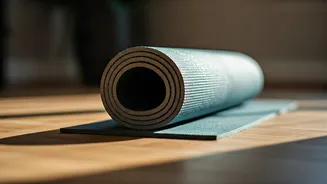
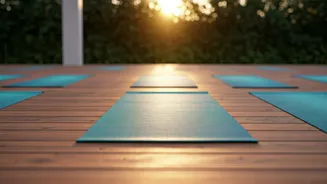
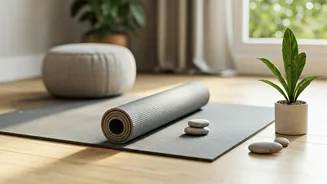
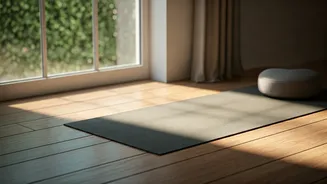
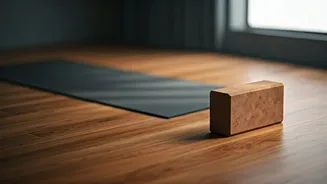
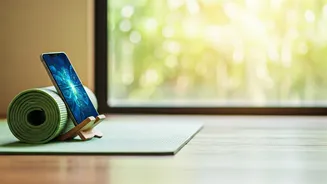
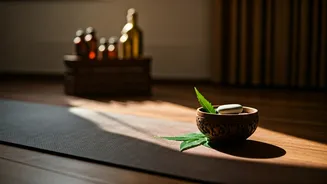
You don’t need a fancy studio. Your yoga space can be a small, clean corner in your room. The only essential item is a non-slip mat. Wear comfortable clothing that allows you to move freely. Try to practice at the same time each day to build a routine—many prefer the quiet energy of the early morning. Keep your phone away to minimise distractions. This space, no matter how simple, becomes a sanctuary for your practice, a place where you can disconnect from the outer world and connect with yourself.
Embrace the Philosophy
To truly stretch 'with India' is to understand that yoga extends beyond the mat. The practice is guided by ethical principles. The first two limbs of yoga, the Yamas (social restraints) and Niyamas (personal observances), offer a moral compass. For instance, 'Ahimsa' (non-harming) encourages kindness in thought, word, and deed towards yourself and others. 'Santosha' (contentment) teaches gratitude for what you have. You don't need to master them overnight, but simply being aware of these principles enriches your practice and brings its benefits into your daily life.
Join a Global Community
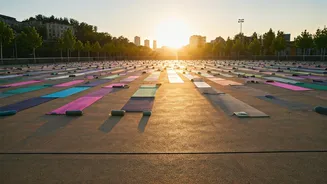
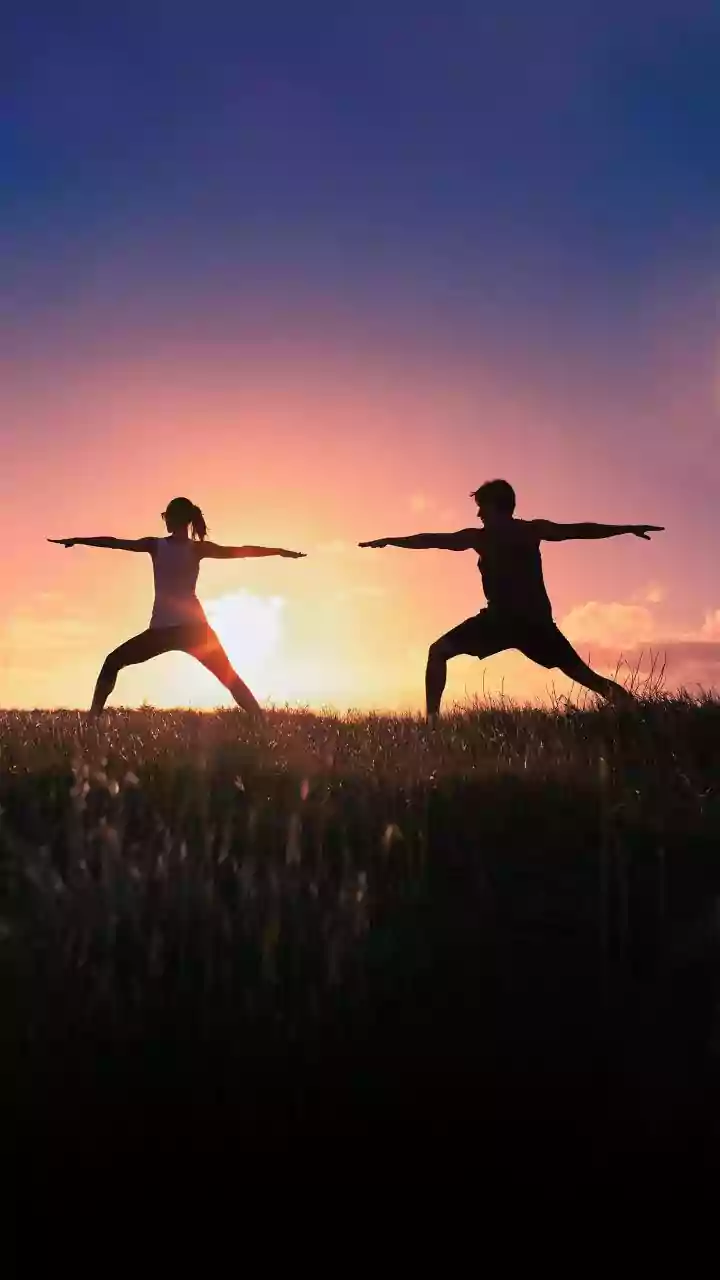
By starting your yoga journey, you are connecting with a tradition that has been passed down for millennia and is now practised by millions worldwide. This global recognition is celebrated every year on June 21st, International Day of Yoga, an initiative proposed by India and adopted by the United Nations. It’s a day when people from all cultures come together to honour this profound practice. Whether you join a local event or simply practice at home, you are part of a beautiful, global movement towards health and harmony.