




Choose Your Green Companions
The first step is deciding which herbs to grow. For Indian kitchens, the essentials are often the easiest to start with. Mint (pudina) is famously low-maintenance and grows vigorously. Coriander (dhania), with its fresh leaves, is a staple, though it can
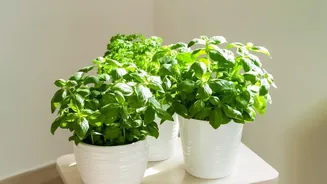
be slightly more delicate. Holy basil (tulsi) is not only great for teas and remedies but is also a hardy plant. Other excellent choices for pots include the flavourful curry leaf plant (kadi patta), lemon grass, and ajwain. Start with two or three of your most-used herbs to keep things manageable as you learn.
The Right Pot And Place
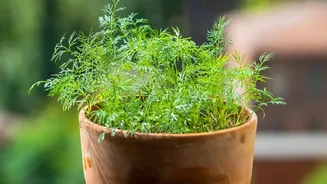
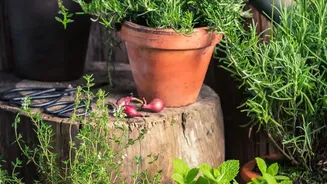
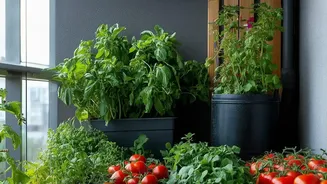
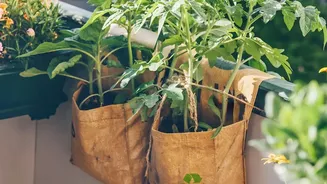
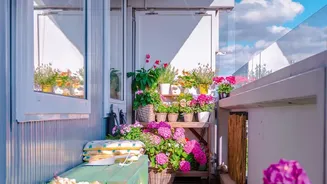
You don't need fancy or expensive containers. Most herbs have shallow root systems and will thrive in simple 6 to 8-inch deep pots. Terracotta pots are a great choice as they are porous and allow the soil to breathe. Whatever you choose—even recycled plastic containers—the single most important feature is drainage holes at the bottom to prevent water from logging and causing root rot. Once you have your pots, find a spot that gets at least four to six hours of sunlight per day. A south or west-facing balcony or window is often ideal.
The Foundation: A Good Soil Mix
While it's tempting to just scoop up some soil from a park, your herbs will thank you for using a proper potting mix. Heavy garden soil compacts easily in pots, choking the roots. A good potting mix should be light and well-draining. You can buy ready-made organic potting mixes online or at local nurseries. These typically contain a balanced blend of cocopeat (for moisture retention), compost or vermicompost (for nutrients), and sometimes perlite (for aeration). This ensures your plant’s roots get the air, water, and food they need to thrive.
Watering: The Balancing Act
Overwatering is a common mistake for new plant parents. The goal is to keep the soil moist, not waterlogged. A simple rule of thumb is to stick your finger about an inch into the soil. If it feels dry, it's time to water. If it feels damp, wait another day. Water the plant thoroughly until you see excess water running out of the drainage holes. This ensures the entire root system gets a drink. Herbs like mint prefer consistently moist soil, while basil likes to dry out a little between waterings, so it pays to learn the specific preferences of your chosen plants.
Harvesting To Encourage Growth
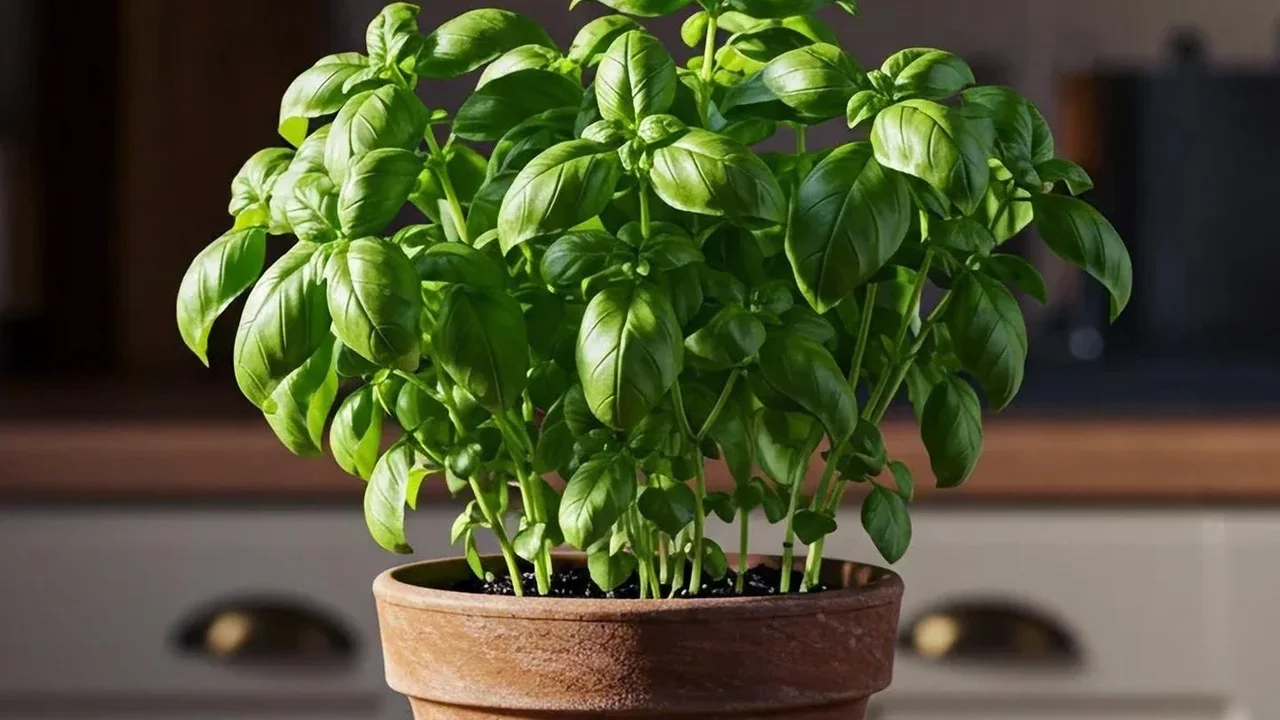
The most exciting part is harvesting your herbs. The best part is that the more you trim them, the bushier and more productive they become. For leafy herbs like basil and mint, pinch off the top sets of leaves regularly. This encourages the plant to branch out, creating a fuller shape instead of a single, lanky stem. For coriander, you can snip the outer leaves as needed, allowing the inner leaves to continue growing. This regular harvesting not only provides you with fresh ingredients for your meals but also keeps the plant healthy and stimulates new growth.