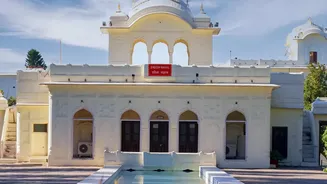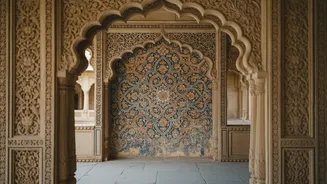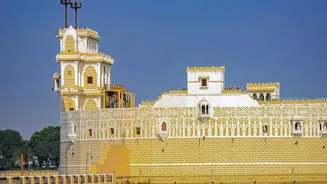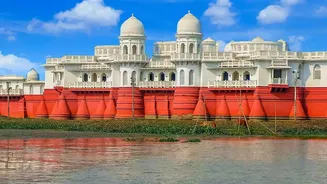




An Open-Air Art Gallery
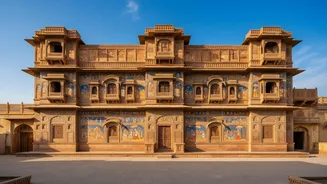
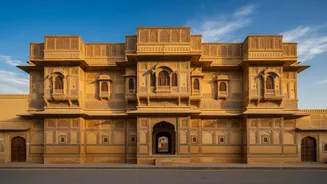
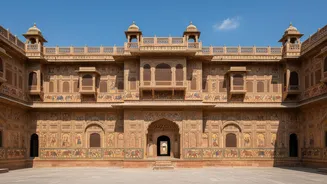
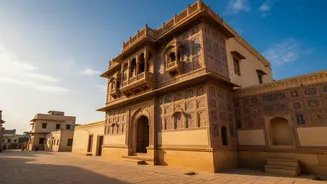
The Shekhawati region of Rajasthan is unlike any other place on earth. Here, entire towns are canvases. The walls of magnificent havelis—grand private mansions built by wealthy Marwari merchants between the 18th and early 20th centuries—are covered in
intricate fresco paintings. These murals are a vivid chronicle of their time, depicting everything from mythological tales of gods and goddesses to the daily lives of the people. As the merchants' fortunes grew from trade along ancient caravan routes, so did the opulence of their homes, turning the region into a symbol of wealth and artistic patronage. The frescoes evolved, too, later incorporating foreign influences like British steam trains, cars, and gramophones, reflecting the owners' worldliness.
A Heritage at Risk
The prosperity that built these havelis also led to their decline. As trade routes shifted to major port cities like Mumbai and Kolkata, many merchant families moved, leaving their ancestral homes behind. For decades, these architectural gems were neglected, locked up, or left in the care of distant relatives. The result was a slow decay; vibrant frescoes faded under layers of dust, and structures began to crumble. Fragmented ownership across generations made decisions about maintenance and restoration incredibly difficult, and many havelis faced the threat of demolition to make way for modern construction. With an estimated 2,000 such havelis in the region, a significant piece of India's cultural heritage was on the verge of being lost forever.
The Restoration Challenge: Art Meets Amenities
Breathing new life into these havelis is a delicate balancing act. The movement to convert them into homestays and heritage hotels is driven by a desire for sustainable preservation. The primary challenge is integrating modern amenities without compromising the very soul of the building: its historic frescoes. Conservationists and owners must carefully plan the installation of electricity, air conditioning, and modern plumbing. The process often involves routing wires and pipes discreetly, using existing alcoves, and training staff in art preservation. Some restorations have been criticized for being unmindful, painting over the old charm with a new, artificial look. However, the most successful projects prioritize authenticity, using specialized techniques to stabilize old lime plaster and match original pigments, ensuring the history remains visible.
Living Inside a Work of Art
For the modern traveller, staying in a restored Shekhawati haveli is a deeply immersive experience. It’s the chance to wake up in a room where every inch of the wall and ceiling tells a story, yet still enjoy the comfort of a hot shower and Wi-Fi. Hotels like Vivaana Haveli and The Piramal Haveli seamlessly combine old-world style with modern conveniences. Guests can relax in courtyards that have been witness to centuries of history, enjoy meals on rooftop terraces overlooking painted towns, and feel a connection to the past that a standard hotel simply cannot offer. This model provides a unique stay for visitors and, crucially, creates a viable economic incentive for owners to preserve their properties.
A Sustainable Future for the Past
The rise of haveli homestays is more than just a travel trend; it is a vital component of cultural preservation in Shekhawati. This form of tourism supports the local economy by creating jobs for guides, artisans, and hospitality staff. It encourages the revival of traditional skills, as restoration requires craftsmen who understand ancient techniques like 'arayish', a polished lime plaster method unique to the region. By choosing to stay in a restored haveli, travellers are not just booking a room; they are becoming active participants in a conservation effort. They are helping to ensure that the stories painted on these walls continue to be told for generations to come, transforming abandoned mansions into living, breathing museums.