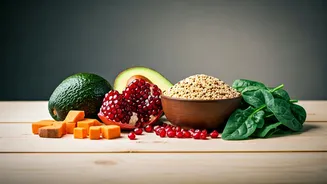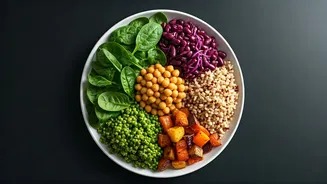




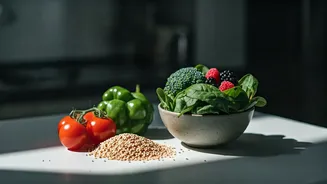
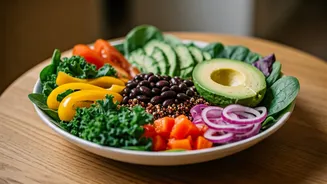
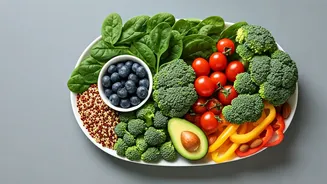


Rule 1: Make Protein the Star
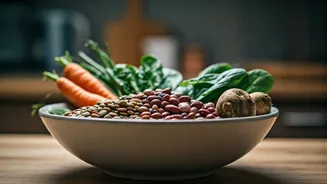
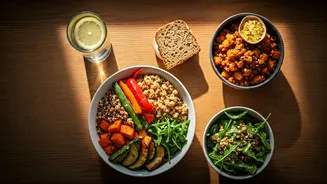
For many, a vegetarian meal in India often means a large portion of rice or roti with a small side of dal or subzi. Let's flip that. The most important rule for a healthy vegetarian plate is to dedicate at least one-quarter of it to high-quality protein.
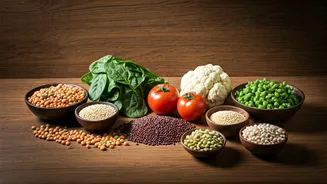
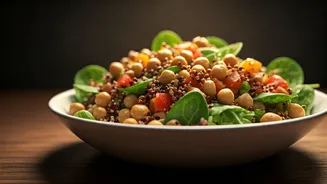
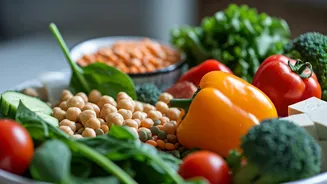
Protein is essential for muscle repair, satiety (feeling full), and overall body function. Don't just rely on paneer. Diversify your protein sources throughout the week to get a full range of amino acids. Excellent protein sources include: - **Lentils and Legumes:** Dal, chana (chickpeas), rajma (kidney beans), and sprouts are foundational. Aim for at least one bowl. - **Soy Products:** Tofu, tempeh, and edamame are complete proteins. - **Dairy:** Curd (dahi), Greek yoghurt, and paneer are great, but should be balanced with other sources. - **Seeds and Nuts:** Pumpkin seeds, chia seeds, and almonds can boost the protein content of any meal.
Rule 2: Fill Half Your Plate with Colour
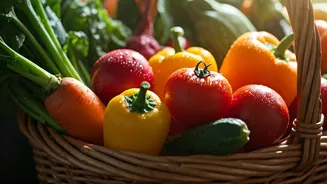
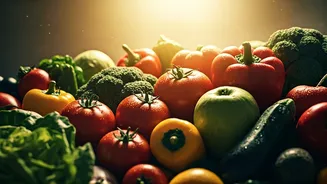
This is a simple visual trick with powerful nutritional benefits. Half of your plate should be filled with non-starchy vegetables. Forget the idea that potatoes and corn are your main vegetables. While they have their place, the focus here should be on a rainbow of colours, as different colours indicate different phytonutrients and antioxidants. Think in terms of: - **Greens:** Spinach (palak), fenugreek (methi), amaranth, and mustard greens are packed with iron and vitamins. - **Cruciferous Veggies:** Cabbage, cauliflower, and broccoli support gut health and provide essential nutrients. - **Bright Colours:** Bell peppers (capsicum), carrots, beets, and tomatoes offer vitamins A and C, and powerful antioxidants like lycopene. By loading up on these vegetables—either as a large subzi, a substantial salad, or steamed sides—you increase your fibre, vitamin, and mineral intake without excessive calories.
Rule 3: Choose Whole Grains Wisely
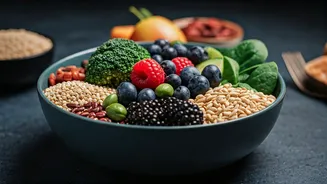
The remaining quarter of your plate should be reserved for carbohydrates, but the type matters immensely. Instead of refined grains like white rice, maida-based rotis, or white bread, opt for complex carbohydrates. These whole grains provide sustained energy, are rich in fibre, and help regulate blood sugar levels, preventing that post-lunch slump. Smart swaps include: - **Brown Rice or Red Rice:** Instead of polished white rice. - **Millets:** Jowar, bajra, or ragi rotis are excellent, gluten-free alternatives to wheat. - **Whole Wheat:** Choose atta with high fibre content for your rotis and parathas. - **Quinoa and Oats:** While not traditional, these are fantastic sources of complex carbs and even offer a protein boost. Think of carbs as the fuel, not the main event. Portion control is key here.
Rule 4: Incorporate Healthy Fats
Fat is not the enemy! Healthy fats are crucial for brain health, hormone production, and absorbing fat-soluble vitamins (A, D, E, and K). The goal is not to drench your food in oil, but to strategically include sources of unsaturated fats in your daily meals. A small amount can make a meal more satisfying and nutritionally complete. Easy ways to add healthy fats: - **Cooking Oils:** Use unrefined oils like cold-pressed groundnut, mustard, or sesame oil for cooking. Use ghee in moderation. - **Nuts and Seeds:** A small handful of almonds or walnuts as a snack, or a sprinkle of flaxseeds or sunflower seeds on your curd or subzi. - **Avocado:** If available, it's a fantastic source of monounsaturated fat. Adding a spoonful of seeds to your roti dough or a few nuts to your breakfast can make a significant difference.
Rule 5: Mind the Micronutrient Gaps
While a well-planned vegetarian diet is robust, there are a few micronutrients that require special attention. Being mindful of these can prevent common deficiencies. - **Iron:** While leafy greens and lentils contain iron, it's non-heme iron, which is less easily absorbed. To boost absorption, pair iron-rich foods with a source of Vitamin C. Squeezing a lemon over your dal or salad is a simple and effective trick. - **Vitamin B12:** This is the most critical one, as it's almost exclusively found in animal products. Fortified foods (like some cereals, plant milks) and dairy are sources. However, many vegetarians may need to consider a B12 supplement. It's best to get your levels checked and consult a doctor. - **Calcium & Vitamin D:** For calcium, rely on dairy, ragi, sesame seeds, and dark leafy greens. For Vitamin D, safe sun exposure is the best source. However, given widespread deficiency in India, fortified foods and supplementation might be necessary, especially if you have limited sun exposure.