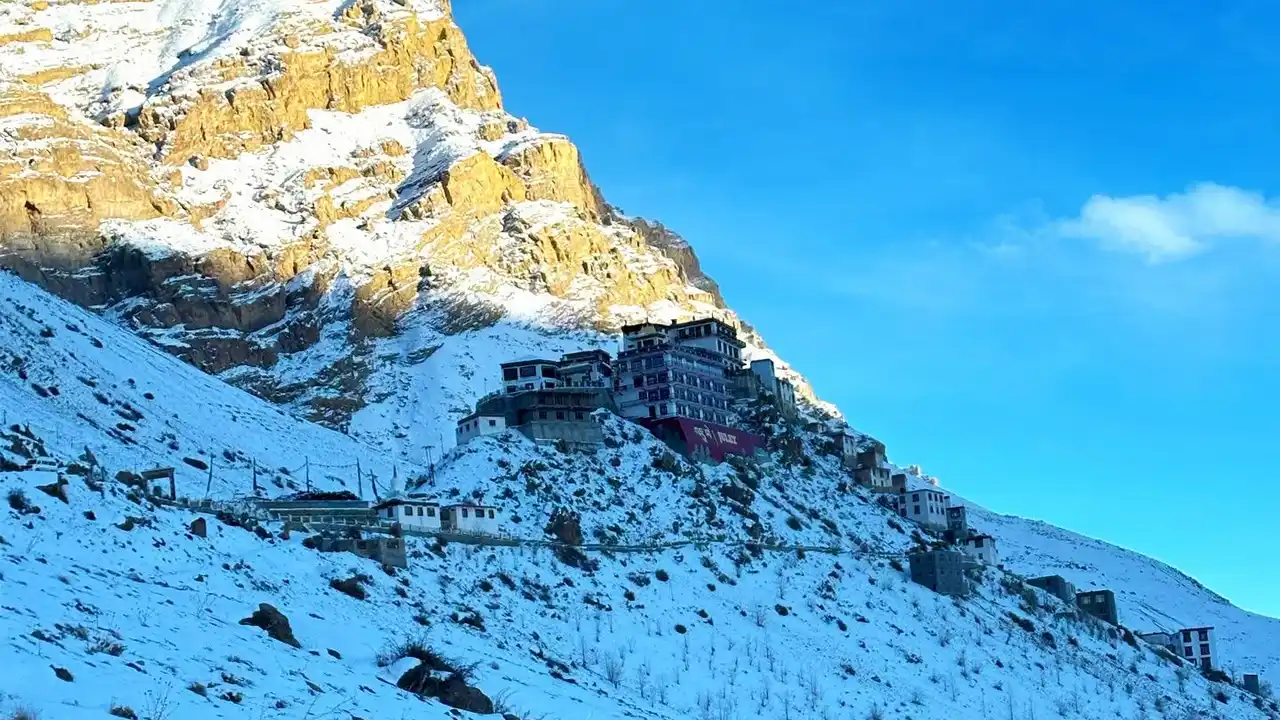



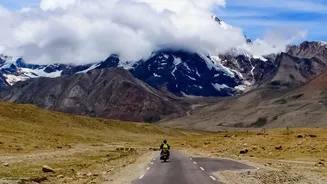


The High-Altitude Trap
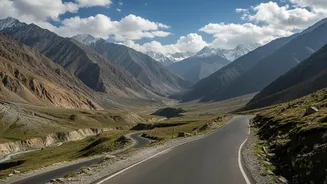
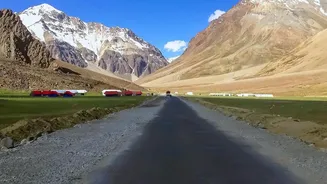
The 470-odd kilometre stretch from Manali to Leh is not just a long drive; it is a rapid ascent into a low-oxygen environment. The highway crosses several mountain passes well above 4,000 metres (13,000 feet), including the formidable Tanglang La at 5,328
metres (17,480 feet). Unlike flying into Leh, where the altitude gain is sudden, the road trip offers a chance to acclimatise—but only if you let it. The late monsoon period often presents clear skies and fewer tourists, tempting travellers to make the journey quickly. This is a classic mistake. Your fitness level, age, or gender offers no protection against Acute Mountain Sickness (AMS).
Understanding Acute Mountain Sickness (AMS)
AMS occurs when your body cannot get enough oxygen from the air at high altitudes. Symptoms usually appear within 6 to 12 hours of reaching a high elevation and can feel like a bad hangover: headache, nausea, dizziness, fatigue, and loss of appetite. Ignoring these early signs is dangerous. Mild AMS can escalate into life-threatening conditions like High-Altitude Pulmonary Edema (HAPE), where fluid enters the lungs, or High-Altitude Cerebral Edema (HACE), which involves swelling of the brain. Both are medical emergencies that require immediate descent to a lower altitude.
The Problem with the Two-Day Dash
Many online itineraries suggest a two-day plan, often with an overnight halt at Sarchu (4,290 metres). For most people, this is a recipe for a miserable and potentially dangerous experience. Ascending from Manali (around 2,050 metres) to sleep at Sarchu in a single day represents a massive jump in altitude that the body is simply not prepared for. A significant number of travellers who attempt this report severe AMS symptoms. The principle of acclimatisation is to 'climb high, sleep low', and a night at Sarchu violates this rule completely for someone unacclimatised.
A Safer Three-Day Itinerary
The most recommended and safest way to travel from Manali to Leh is over three days. This allows for a much more gradual ascent, giving your body the time it needs to adjust. A proven schedule looks like this:
Day 1: Manali to Jispa or Keylong (Approx. 90-115 km). Your first night's halt should be at Jispa (3,200 metres) or Keylong (3,080 metres). This is a manageable altitude gain for the first day and positions you perfectly for the next leg of the journey.
Day 2: Jispa/Keylong to Sarchu or Pang (Approx. 85-180 km). On the second day, you will cross the high Baralacha La pass (4,890 metres). While Sarchu is a common stop, it's better used as a lunch halt. If you have to stop, be prepared for a cold night and potential AMS symptoms. A better, though more spartan, option could be pushing on towards Pang.
Day 3: Sarchu/Pang to Leh (Approx. 250 km). This is a long but spectacular day of driving over the Gata Loops, Nakee La, Lachung La, and the vast Morey Plains before ascending Tanglang La and finally descending into the Indus Valley towards Leh (3,500 metres). By this point, your body will be far better prepared for the altitude.
Essential Rules for the Road
Beyond a sensible schedule, several key practices can help you stay healthy. Firstly, hydrate aggressively by drinking 3-4 litres of water daily. Dehydration thickens the blood and makes AMS symptoms worse. Secondly, avoid alcohol and smoking for the first few days at altitude, as they impair the body's ability to absorb oxygen. Eat light, carbohydrate-rich meals rather than heavy, fatty foods. Lastly, listen to your body. If you experience a persistent headache or nausea, stop, rest, and do not ascend further until the symptoms subside.