






The First Suspect: Is It Really Salt?
When a dish tastes bland, our first instinct is to reach for the salt. Salt is a powerful flavour enhancer; it doesn't just make food salty, it actually reduces bitterness and makes other flavours, like sweetness, pop. Think of a sprinkle of salt on a slice
of watermelon or in a chocolate chip cookie. It is crucial for bringing out the natural goodness in ingredients. However, if you've been seasoning throughout the cooking process and the dish still feels dull, blindly adding more salt might just make it overly salty. The real issue might be a lack of another key element. When your food tastes under-seasoned, salt is often the first thing to check, but it's rarely the only solution.
The Magic of Acidity
If your dal feels heavy, your sabzi tastes one-dimensional, or your soup is simply boring, the culprit is likely a lack of acid. Acid is the secret weapon of a vibrant dish. It provides brightness, cuts through richness, and balances other flavours. A simple squeeze of lemon or lime can awaken an entire pot of food. Don’t stop there. Think of the tang from yogurt in a raita, the sharp punch of vinegar in a salad dressing, or the sourness from tamarind or amchur (dry mango powder) in a curry. If a meal feels rich, fatty, or overly sweet, a splash of acid is almost always the answer to create a more balanced and mouth-watering experience.
Embracing Fat for Flavour
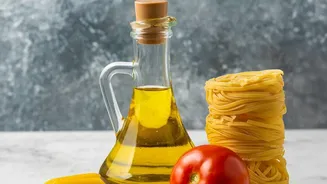
Fat often gets a bad rap, but in the kitchen, it is a primary vehicle for flavour. Fat carries the taste of spices and aromatics across your palate, creating a richer, more satisfying mouthfeel. If a dish feels thin, sharp, or unsatisfying, it might be lacking in fat. Think about the difference between a dry-roasted vegetable and one tossed in oil before cooking. The oil helps with browning and ensures the spices cling to the surface. Finishing a dish with a dollop of butter, a drizzle of good olive oil, a spoon of cream, or even coconut milk can add body and depth, softening any harsh edges and making the dish feel complete. The fat you choose—be it ghee, mustard oil, or butter—also sets the flavour direction for the entire meal.
The Savoury Depth of Umami
Sometimes a dish is perfectly salted, has enough acid, and is texturally pleasant, but still feels like it's missing a certain 'oomph'. This is where umami comes in. Often called the fifth taste, umami is a savoury, mouth-filling flavour that adds complexity and depth. Foods rich in umami include tomatoes (especially cooked), mushrooms, aged cheeses like Parmesan, soy sauce, and fermented products. If your food tastes balanced but still seems to be lacking a foundational, savoury note, adding an umami-rich ingredient can be the solution. A spoonful of tomato paste into a stew, sautéed mushrooms in a rice dish, or a dash of soy sauce can provide that missing layer of flavour.
Sweetness and Bitterness: The Supporting Cast
While not always the star, sweetness and bitterness play crucial supporting roles. A touch of sweetness from sugar, jaggery, or honey can balance excessive sourness or spiciness. Think of the hint of sugar often added to a tomato-based sauce to counteract the acidity of the tomatoes. Bitterness, on the other hand, can cut through richness and prevent a dish from being cloyingly sweet. This can come from ingredients like methi (fenugreek leaves), karela (bitter gourd), or even dark leafy greens. Understanding how to use these elements in small amounts allows you to create more complex and layered dishes instead of just hitting one or two notes.
Don't Forget Texture
Finally, cooking is a full sensory experience, and sometimes a dish's problem isn't about taste at all, but texture. A creamy soup can be elevated by the crunch of roasted nuts or croutons. A soft sabzi might benefit from a garnish of crispy fried onions. Texture provides contrast and interest, preventing palate fatigue. If your meal feels monotonous, consider if adding a crunchy, creamy, or chewy element could solve the problem. Balancing textures is just as important as balancing tastes for a truly satisfying meal.