








The 'Break': When Rain Ruins the Road
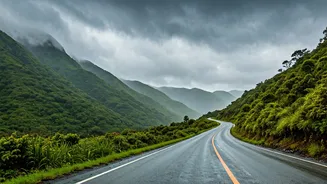
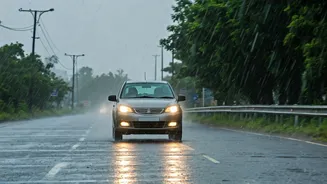
While romantic, monsoon drives come with genuine risks that can quickly turn an adventure into a disaster. The most obvious challenge is reduced visibility. Heavy downpours and fog, especially in hilly areas, can shrink your line of sight to just a few
metres. Roads become dangerously slippery, drastically increasing your braking distance. Driving too fast can lead to hydroplaning, where your tyres lose contact with the road and you lose control of the vehicle. In India, the monsoon also brings specific hazards like waterlogged streets that can stall your engine and hide deep potholes. In mountainous regions like the Ghats or the Himalayas, the risk of landslides is a serious concern, capable of blocking roads for hours or even days. Without proper checks and a cautious approach, a rainy drive can easily end with a breakdown, an accident, or being stranded.
Your Pre-Monsoon Vehicle Check
A trouble-free trip starts before you even turn the key. A thorough vehicle check is non-negotiable. First, inspect your tyres. They are your only point of contact with the wet road. Ensure they have adequate tread depth—at least 3mm is recommended for monsoon safety—and are inflated to the correct pressure. Next, check your wiper blades. Summer heat can make the rubber hard and brittle. If they leave streaks or make noise, replace them. Test all your lights: headlights, tail lamps, brake lights, and indicators. They are crucial for seeing and being seen in low-visibility conditions. Have your brakes inspected; their performance is critical on slippery surfaces. Finally, check your battery, as the increased use of wipers, lights, and the defogger puts extra strain on it.
Safe Driving in a Downpour
Once on the road, your driving style needs to adapt to the conditions. The single most important rule is to slow down. Reducing your speed gives you more time to react and helps prevent hydroplaning. Increase the distance between your vehicle and the one in front of you—the 'two-second rule' should become a 'four-second rule' in the rain. Use your low-beam headlights to improve your visibility to others. Avoid sudden acceleration, braking, or sharp turns. If you encounter a waterlogged road, it's best to find an alternative route. If you must proceed, drive slowly in a low gear, keeping the engine revs high to prevent water from entering the exhaust. In hilly areas, be extra vigilant for signs of fresh mud or gravel on the road, which could indicate a recent rockfall.
The 'Make': Embracing the Monsoon Magic
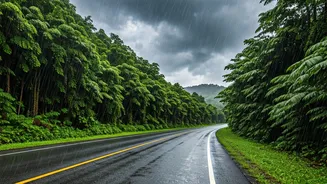
With the right precautions, a monsoon road trip transforms from a risk into a reward. The season breathes life into the Indian landscape. The heat and dust of summer are washed away, replaced by vibrant, near-fluorescent greens. Waterfalls that are dormant for most of the year spring to life, often right beside the highway. The low-hanging clouds and mist that drape the hills create an ethereal, ever-changing vista that is a photographer's dream. Popular tourist destinations are often less crowded, allowing for a more peaceful experience. Routes like Mumbai to Lonavala, Bangalore to Coorg, or Shillong to Cherrapunji are classic for a reason; they showcase the monsoon's transformative beauty at its best.
Packing for a Rainy Adventure
Smart packing can significantly enhance your comfort and safety. An emergency kit is essential and should include a first-aid kit, a torch, and extra food and water. Ensure your spare tyre is in good condition and you have the tools to change it. Waterproof bags for electronics are a must. Pack a change of clothes and extra footwear; there’s nothing more uncomfortable than staying in wet shoes. An umbrella and raincoat are obvious additions. It's also wise to have offline maps downloaded on your phone, as mobile networks can be unreliable in remote or hilly areas, especially during a downpour. Finally, keeping your car's insurance and emergency roadside assistance numbers handy can provide peace of mind.