

The Lithium-Ion Hurdle
For years, the electric vehicle (EV) revolution has been powered by lithium-ion batteries. They are energy-dense and relatively efficient, but they come with significant drawbacks for India. The country has minimal lithium reserves, forcing a heavy reliance
on imports for key materials like lithium, nickel, and cobalt. This dependence creates supply chain vulnerabilities and keeps prices high, putting EVs out of reach for a large portion of the population. The battery alone can constitute a huge chunk of an EV's total cost, making affordability a persistent challenge. This economic reality has been a major speed bump on the road to electrifying India's vast two- and three-wheeler segments, which form the backbone of personal and commercial transport.
Enter Sodium-Ion: The Homegrown Advantage
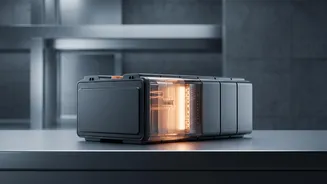
Sodium-ion batteries operate on a similar principle to their lithium-ion cousins but swap out expensive, imported lithium for abundant, locally available sodium. Sodium is one of the most plentiful elements on Earth, readily extracted from common salt. This simple substitution has profound implications. By using raw materials that are abundant within India, manufacturers can significantly reduce costs and bolster the nation's energy security. Companies like Indi Energy are even developing innovative methods to produce battery components, such as hard carbon for the anode, from agricultural waste like crop stubble, creating a uniquely circular and sustainable domestic supply chain.
The Cost and Safety Equation
The primary allure of sodium-ion technology is its potential to drastically lower costs. Projections suggest these batteries could be 25-30% cheaper to produce than their lithium-ion counterparts. While mass production is still scaling up, the low cost of raw materials points to a future where EVs are significantly more affordable. Beyond price, sodium-ion batteries offer compelling safety benefits. They are less prone to thermal runaway (catching fire) and can be safely discharged to zero volts for transport and storage, a risky procedure for lithium-ion cells. They also perform exceptionally well in a wide range of temperatures, retaining around 90% of their capacity even in extreme cold—a key advantage for a country with diverse climates.
Who is Leading the Charge in India?
Several Indian companies are at the forefront of this transformation. Reliance Industries, through its acquisition of UK-based Faradion, is fast-tracking the commercialisation of sodium-ion technology, with plans for a giga factory in Jamnagar set to begin production. Meanwhile, Pune-based software firm KPIT Technologies has developed its own proprietary sodium-ion technology and partnered with Trentar Energy Solutions to establish a 3 GWh manufacturing facility. Start-ups like Indi Energy are also making waves with their focus on indigenous material synthesis from biowaste. These efforts align with the Indian government's Production Linked Incentive (PLI) scheme, which is chemistry-neutral and supports investment in alternative battery technologies.
What It Means for Your Ride
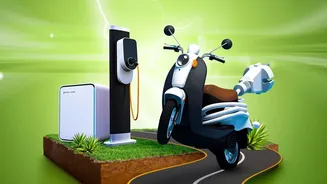
So, what does this mean for the average consumer? Initially, the biggest impact will be felt in the two- and three-wheeler segments, along with commercial vehicles. Sodium-ion batteries have a slightly lower energy density than lithium-ion, meaning they store less energy for their weight. This makes them ideal for smaller vehicles where range demands are not as extreme and cost is the primary consideration. For passenger cars, a hybrid approach combining both battery types could be a solution, using sodium-ion to improve cold-weather performance and reduce overall cost. As the technology matures and energy density improves, their application will only broaden, making everything from e-rickshaws to home energy storage systems more accessible.