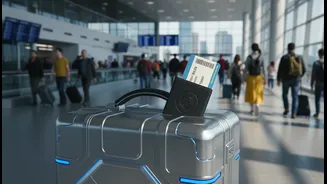









The Anatomy of a Micro-Break
A micro-break, or micro-vacation, is a short, intentional trip, typically lasting between two and four days. It's more than just a last-minute weekend plan; it's a conscious decision to travel more frequently rather than waiting for one big holiday. Recent
reports show a significant trend, with some studies indicating that as many as seven in ten young Indian travellers now prefer taking multiple short trips over one long annual holiday. This 'holiday snacking' approach is built around seizing opportunities—a long weekend, a couple of days of remote work, or simply the need to disconnect from routine. The core idea is to make travel a regular, integrated part of life, not a once-a-year event.
An Antidote to Burnout
For a generation navigating an 'always on' digital culture, micro-breaks serve as a crucial pressure-release valve. The primary motivation is often not sightseeing but mental wellness and escaping the monotony and stress of daily life. These short getaways are seen as a quick and effective way to recharge, offering a change of scenery that can boost mood and improve focus upon return. This aligns with a broader generational shift that prioritises experiences and work-life balance. Rather than chasing a long checklist of attractions, the goal is often simply to relax, embrace slow travel, and enjoy the experience of being somewhere new, even if just for a weekend.
Hacking the Calendar and the Budget
Micro-breaks have fundamentally changed the logistics of travel planning. Instead of hoarding annual leave for a single block, young travellers are becoming experts at 'leave-stacking'—tacking one or two days off onto a weekend or public holiday to create a three or four-day window. This makes travel more accessible without disrupting work schedules significantly. The financial approach is also different. Rather than a large, one-time expenditure, travel budgets are spread across several smaller, more manageable trips throughout the year. This makes travel feel less like a major financial hurdle and more like a regular lifestyle expense. Many are cutting back on daily expenses to fund these frequent escapes.
The Rise of the Hyperlocal Destination
This trend is a major boon for domestic tourism. With only a few days to spare, travellers are exploring destinations closer to home, often within a few hours' drive or a short flight. There is a growing preference for unique and personal journeys, with many actively avoiding viral social media hotspots in favour of undiscovered gems. This has led to the rise of Tier-2 cities and offbeat locations like Wayanad, Jibhi, Gandikota, and Spiti Valley. The stay itself has become a key part of the destination, with unique homestays and boutique properties often being the primary draw for a trip. In fact, reports suggest a significant majority of Gen Z travellers consider the accommodation a crucial part of the trip, spending a large portion of their time there.
Spontaneity is the New Itinerary
Forget colour-coded spreadsheets planned months in advance. The micro-break is defined by spontaneity. A large percentage of young travellers book their trips just days or weeks before departure, reacting to a mood or a sudden open weekend. This has been dubbed the 'anti-itinerary' approach, where large parts of the schedule are left intentionally unplanned to allow for spontaneous exploration and genuine relaxation. For this generation, who they travel with often matters more than the destination itself, leading to a rise in group trips with friends. Ultimately, travel has become a form of self-expression, with each journey reflecting personal taste rather than a popular trend.