
A New Green Wave in the Garden City
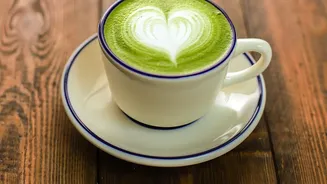
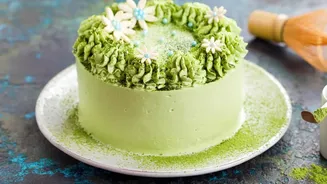
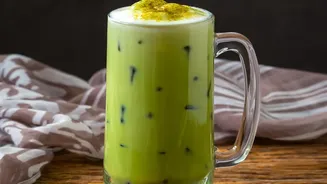
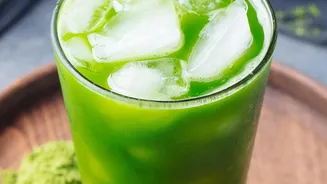
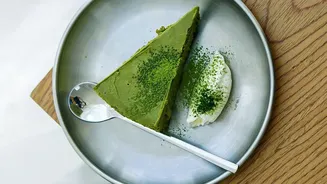
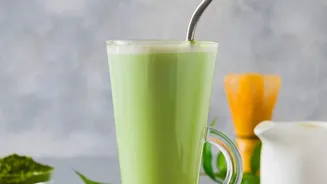
Bengaluru’s love for filter coffee is legendary, but a new beverage is painting the town green. From Koramangala to Kalyan Nagar, cafes are reporting a surge in demand for matcha. It appears in various forms: frothy lattes, chilled bubble teas, rich cheesecakes,
and even delicate macarons. This isn't just a drink; it's an aesthetic. The bright green colour makes it a social media star, but its appeal goes deeper than just looks. Cafes like Sakura Matcha Bar, the city's first dedicated matcha bar, and new ventures like House of Awaki are building a culture around this Japanese green tea, drawing in crowds curious about its unique flavour and story.
More Than Just Green Tea
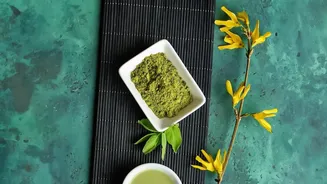
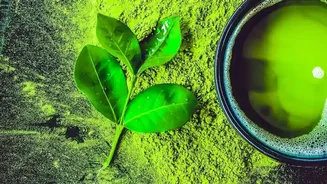
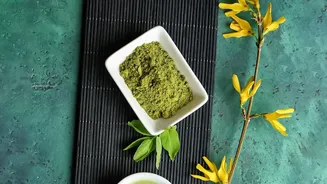
So, what exactly is matcha? Unlike regular green tea, where you steep leaves in water and discard them, matcha is a fine powder made from grinding whole, specially grown tea leaves. This means you consume the entire leaf, getting a concentrated dose of antioxidants, vitamins, and minerals. Its origins trace back to China, but it was in Japan where matcha became deeply intertwined with Zen Buddhism and the iconic tea ceremony known as 'chanoyu'. Monks used it to stay alert during long meditation sessions, valuing its ability to create a state of calm focus. This unique combination of properties is thanks to L-theanine, an amino acid that promotes relaxation without drowsiness.
From Quiet Ritual to Café Chatter
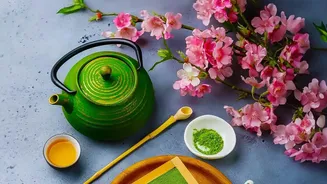
The traditional Japanese tea ceremony is a highly ritualised practice, emphasising harmony, respect, purity, and tranquillity. Every movement, from cleaning the utensils to whisking the tea, is deliberate and meaningful. This meditative process is a world away from the busy, social atmosphere of a modern Indian café. In Bengaluru, the ritual has been adapted. The quiet contemplation of the tea ceremony has been replaced by the lively buzz of friends catching up and the click of keyboards from remote workers. The focus has shifted from the formal process to the final product—a delicious, visually appealing beverage that serves as a modern social lubricant. It’s a fascinating example of how an ancient tradition is finding new life and meaning in a completely different context.
Bengaluru's Creative Spin
True to its innovative spirit, Bengaluru isn't just replicating Japanese tradition; it's reinventing it. Local chefs and baristas are infusing matcha with distinctly Indian and global flavours. At Maverick & Farmer, you might find a seasonal matcha-aam panna, a creative blend of Japanese earthiness and a classic Indian summer cooler. Cafes like Got Tea and The Kind Roastery & Brew Room are whipping up everything from Matcha Lemonade to Salted Caramel Matcha Shakes and Rose Matcha Lattes. Even desserts are getting a green makeover, with eateries offering matcha-infused cheesecakes, tiramisu, and French toast. These creations show how Bengaluru is making matcha its own, blending the unfamiliar with the beloved.
A Lasting Trend or a Passing Fad?
With India's matcha market projected to grow significantly by 2030, this green wave seems to be more than a fleeting moment. The trend is driven by a growing number of health-conscious urban millennials and Gen Z consumers who are curious about global cultures and looking for alternatives to coffee and traditional chai. While some see it as a trend that will come and go, its versatility as an ingredient in both drinks and desserts gives it a strong foothold. The rise of dedicated tea houses like House of Awaki, which focus on educating consumers about different ceremonial-grade matcha cultivars, suggests a deepening appreciation. This isn't just about drinking something new; it's about exploring a different culture through taste.