





What is Solar Maximum?
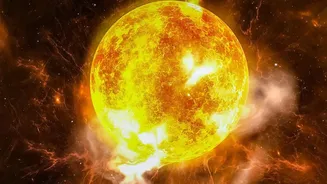
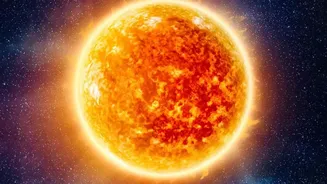
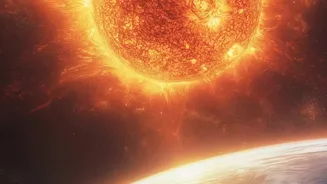
Every 11 years or so, the sun undergoes a dramatic personality shift. This is known as the solar cycle, and it’s driven by the flipping of the sun’s magnetic field. When the magnetic field is at its most chaotic and active, we enter a period called the solar maximum.
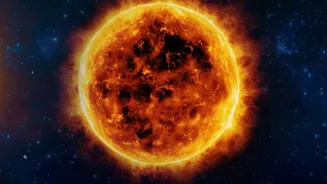
While initial predictions pointed to a peak around 2025 or 2026, scientists have noted that the current cycle, Solar Cycle 25, has ramped up much faster and stronger than expected. In fact, NASA and NOAA announced the sun likely reached its peak in late 2024, but we remain in a heightened period of activity. This phase is marked by an increase in sunspots, which are cooler, darker patches on the sun's surface with intense magnetic fields. These sunspots are the breeding grounds for powerful solar flares and massive eruptions of solar plasma called Coronal Mass Ejections (CMEs).
A Spectacular Cosmic Light Show
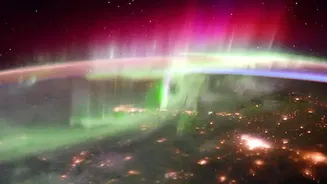
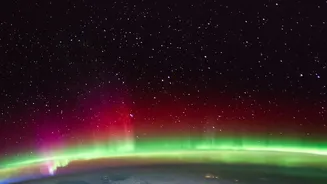
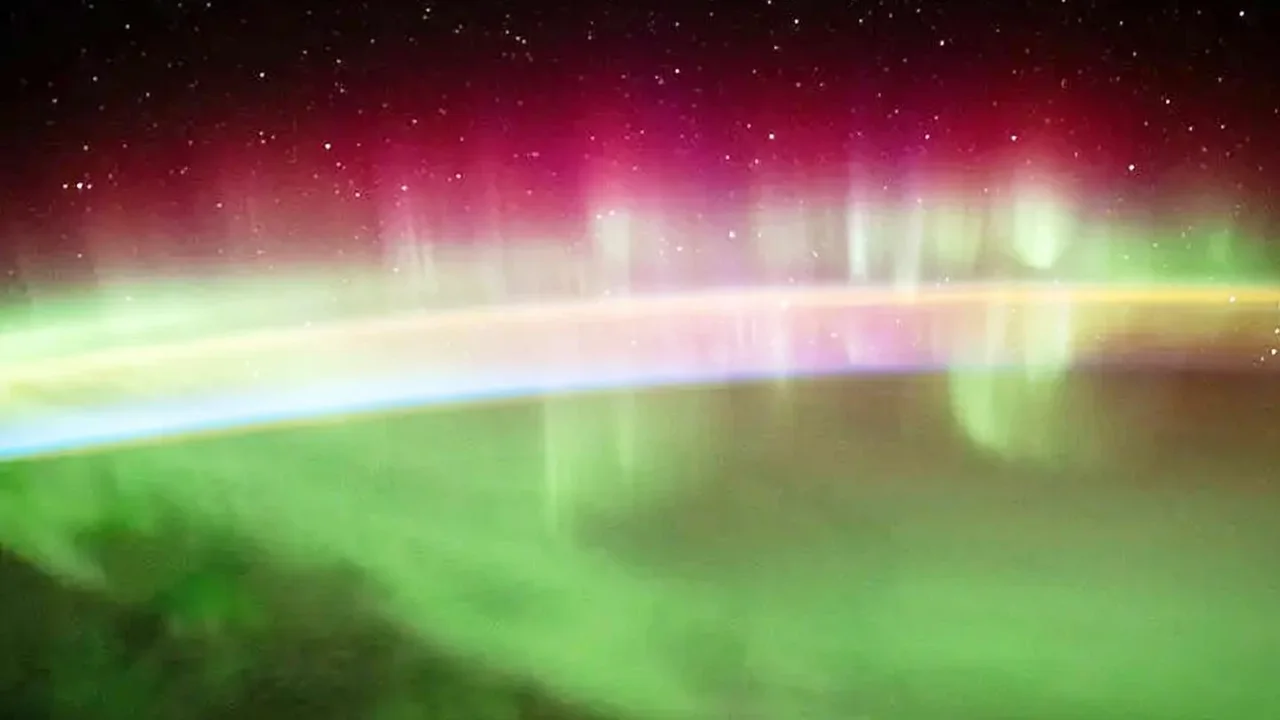
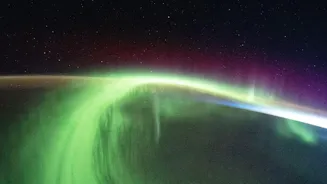
One of the most breathtaking consequences of solar maximum is the increased frequency and intensity of auroras, the famous Northern and Southern Lights. When charged particles from a CME slam into Earth’s magnetic field, they are channelled towards the poles. There, they collide with gases in our atmosphere, releasing energy in the form of vibrant, dancing curtains of light. During a strong solar maximum, these displays can be seen much farther from the poles than usual. While India’s latitude makes sightings extremely rare, it’s not impossible. During the powerful solar storms of May 2024, a faint red auroral glow was captured by cameras in the high-altitude, dark skies of Hanle, Ladakh. Though you shouldn't expect to see the aurora from Delhi or Mumbai, extreme solar events during this active period raise the slight possibility of another rare appearance in India's northernmost regions.
The Risk to Our Digital Infrastructure
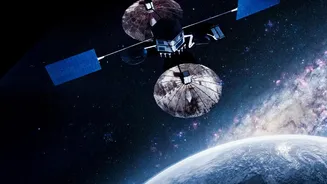
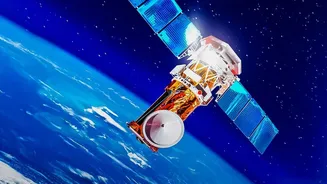
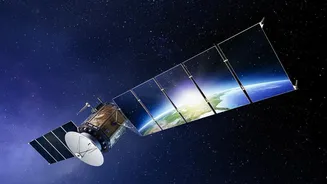
The same solar energy that creates beautiful auroras poses a significant threat to our high-tech society. An earth-directed CME can trigger a geomagnetic storm, inducing powerful electrical currents that can overload power grids, potentially causing widespread and long-lasting blackouts. The 1989 Quebec blackout is a modern example of this vulnerability. Our extensive satellite networks are particularly at risk. These storms can disrupt and damage satellite electronics, affecting everything from GPS navigation and telecommunications to financial transactions and weather forecasting. In severe cases, the heating of the upper atmosphere increases drag on low-orbit satellites, causing them to lose altitude and potentially burn up, as happened to a batch of Starlink satellites in 2022. This makes our reliance on space-based technology a critical point of failure during a major solar event.
How India Can Prepare
For a nation rapidly expanding its digital footprint and space capabilities, understanding the risks of space weather is crucial. India's growing fleet of satellites, vital for communication, navigation (like the NavIC system), and earth observation, are all exposed. A major solar storm could impact everything from online payment gateways and stock markets to disaster management systems that rely on satellite data. Agencies like the Indian Space Research Organisation (ISRO) and scientists around the world constantly monitor the sun. Forecasting space weather gives operators of power grids and satellite systems advance warning to take protective measures, such as temporarily shutting down systems or reorienting satellites to minimize damage. On an individual level, preparation is similar to that for any other potential power outage: having an emergency kit with water, non-perishable food, and a battery-powered or hand-crank radio can make a significant difference.