




The Battle Against Soaring Prices
The most significant driver behind this shift is simple economics. Airlines and hotels use dynamic pricing, which means costs surge as demand increases. During festival periods like Diwali, Holi, or Durga Puja, last-minute fares can be exorbitant. Booking
flights and accommodation three to six months in advance has become a crucial strategy to lock in reasonable prices before they skyrocket. For popular Holi destinations, hotel prices can jump by 30-80% closer to the date. This proactive approach is a direct response to the predictable price hikes that penalise waiting. Travellers are no longer willing to pay a premium for procrastination, choosing instead to plan ahead and secure their travel without breaking the bank.
Securing Availability in a Crowded Market
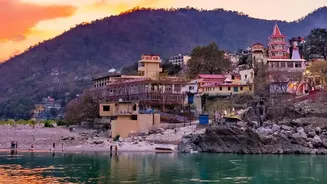
Beyond cost, there is the fundamental issue of availability. Popular festival destinations, whether it's Varanasi for Dev Deepawali or Jaipur for Diwali, get completely booked out weeks, and sometimes months, in advance. This applies to everything from flight seats and train berths to desirable hotels and unique homestays. Waiting until the last minute doesn't just mean paying more; it often means not being able to go at all, or settling for inconvenient travel times and subpar accommodation. Early booking is therefore not just a preference but a necessity to ensure a spot in the most sought-after locations, especially for unique or boutique properties that have limited inventory.
From Trip to 'Experiential Travel'
The modern Indian traveller, particularly millennials and Gen Z, is increasingly moving away from simple sightseeing towards 'experiential travel'. This means the holiday is no longer just about reaching a destination; it's about the quality and uniqueness of the experience itself. Festivals are now seen as major cultural events worth travelling for, much like an international concert or sports tournament. Travellers want to immerse themselves in local traditions, participate in rituals, and create meaningful memories. This shift requires more than just booking a ticket; it involves curating a complete itinerary, from securing a stay at a heritage haveli to arranging participation in local festivities. Early planning provides the time needed to research and organise these richer, more immersive journeys.
The Rise of Festival Tourism
Certain festivals have evolved into full-fledged tourism magnets, attracting visitors from across India and the globe. The week-long Holi celebrations in Mathura and Vrindavan, Durga Puja in Kolkata, and the Pushkar Camel Fair are now significant travel events. These destinations see a massive influx of people, putting immense pressure on local infrastructure. This trend of aligning holidays with specific regional festivals is growing, with travellers planning trips around everything from Onam in Kerala to Ganesh Chaturthi in Maharashtra. This transforms the festival break into a planned vacation, often involving multi-generational families who use the occasion for reunions and shared experiences. As such, these trips require the same level of advance planning as any major holiday.
A More Intentional and Informed Traveller
Ultimately, the trend of booking festival travel early reflects a more strategic and informed Indian traveller. Armed with information from countless travel blogs, social media influencers, and booking platforms, consumers are more aware than ever of the benefits of planning ahead. They understand demand cycles and pricing strategies. This shift also indicates a change in priorities, where securing a desired experience is valued over the spontaneity of a last-minute decision. While some reports indicate Gen Z travellers can be spontaneous with short breaks, the high stakes of festival travel—with its guaranteed demand and soaring prices—are pushing even younger demographics towards more deliberate planning for these key dates. It's a calculated move to maximise both budget and enjoyment.