






A Refreshing Change of Pace
Step into any trendy cafe in Mumbai, Delhi, or Bangalore during the afternoon lull, and you're likely to see a familiar scene with a new twist. Alongside the steaming cups of masala chai and frothy cappuccinos, colourful glasses of iced infusions are
becoming increasingly common. This isn't your standard, often sugary, lemon iced tea. We're talking about sophisticated, slow-steeped cold brews featuring classic Indian botanicals like tulsi (holy basil) and lemongrass. Served over ice, often in elegant glassware with a slice of lemon or a sprig of mint, these drinks are as much a feast for the eyes as they are for the palate. This shift represents more than just a new menu item; it signals a change in urban consumer habits, especially among younger generations who are seeking healthier, more refreshing alternatives to traditional hot drinks, particularly during sweltering afternoons.
The Art and Science of the Cold Brew
So, what makes a cold brew different from a regular iced tea? The magic is in the method. While traditional iced tea is brewed hot and then cooled, which can release bitter-tasting compounds called tannins, cold brewing is a much gentler process. Tea leaves are steeped in cold or room-temperature water for an extended period—anywhere from 6 to 12 hours. This slow infusion patiently extracts the delicate flavours and aromas of the tea, resulting in a brew that is remarkably smooth, naturally sweeter, and significantly less bitter. This process also means the tea often has less caffeine and may retain more antioxidants, which can be degraded by heat. The result is a clean, nuanced beverage that allows the true character of the ingredients to shine through, making it an ideal canvas for fragrant herbs like tulsi and lemongrass.
A Modern Twist on Ancient Wellness
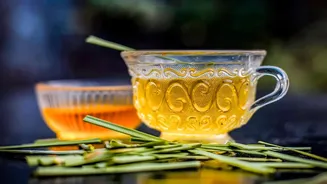
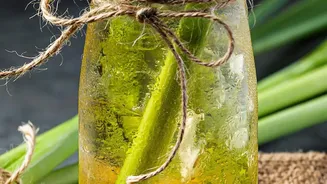
The choice of lemongrass and tulsi for these modern brews is no accident. Both are deeply rooted in Indian tradition and Ayurveda for their wellness properties. Tulsi, or holy basil, is revered as an adaptogen, an herb believed to help the body manage stress and promote mental clarity. It's also rich in antioxidants and has anti-inflammatory properties. Lemongrass is prized for its refreshing, citrusy aroma and its benefits for digestion, including soothing the gut and reducing bloating. Together, they create a powerhouse combination that is both calming and invigorating. By presenting these age-old ingredients in a contemporary cold-brew format, cafes are tapping into a desire for products that feel both authentically Indian and globally current.
Why This Trend Is Brewing Now
Several factors are driving this cool change in India's beverage landscape. A significant driver is the growing health and wellness consciousness among urban consumers. There is a clear move away from sugary, carbonated drinks towards natural, low-calorie alternatives. Cold-brewed herbal teas, which are naturally flavourful and often require no added sugar, fit this demand perfectly. The 'Instagrammable' nature of these colourful, beautifully presented drinks also plays a huge role in their popularity among millennials and Gen Z. Furthermore, in a predominantly hot country like India, a chilled, hydrating beverage is a practical and appealing choice for an afternoon pick-me-up. This trend started in niche, upscale cafes but is quickly becoming mainstream, with ready-to-drink bottled versions and home-brewing kits making it more accessible than ever.