



The Gut-Sleep Connection
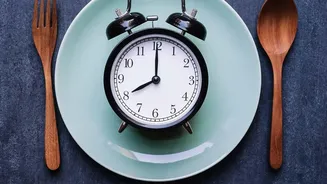
Scientists have long known that our bodies run on an internal 24-hour clock, or circadian rhythm, that governs everything from hormone release to digestion. Recently, they've discovered that the trillions of microbes in our gut also follow a daily rhythm.
A compelling new body of research now suggests that a person's chronotype—their natural tendency to sleep and wake early or late—is linked to the specific composition of their gut microbiome. This connection opens up a new way of understanding how our lifestyle habits are deeply intertwined with our internal health.
What the Research Found
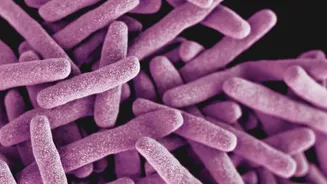
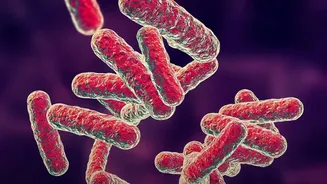
Several recent studies have shed light on this relationship. One study published in iScience found that adults with obesity who were late chronotypes had different gut bacteria compared to early risers. Specifically, these 'night owls' showed a depletion of beneficial bacteria known for producing short-chain fatty acids (SCFAs), which are crucial for maintaining a healthy gut barrier. The study noted lower levels of bacteria like Oscillospiraceae and Akkermansiaceae in late sleepers. Another study using a method called Mendelian randomization identified that certain bacteria, like Alistipes, were more common in 'larks' (early chronotypes), while Lachnospira was more elevated in 'owls' (late chronotypes). These findings suggest a consistent pattern: the time you go to bed is reflected in the community of microbes living inside you.
Why This Microbial Difference Matters
The differences are not just trivial; they could have real health implications. Lower microbial diversity, which was observed in some studies of late chronotypes, is often considered a marker of 'dysbiosis,' or an imbalanced gut. This imbalance is increasingly linked to a higher risk for chronic conditions. For example, individuals with late sleep patterns and associated late eating habits were found to have a higher number of risk factors for metabolic syndrome, a cluster of conditions that includes high blood pressure, high blood sugar, and abnormal cholesterol levels. Researchers propose that the depletion of beneficial, SCFA-producing bacteria in night owls could lead to increased intestinal permeability—sometimes called 'leaky gut'—which in turn can trigger low-grade, chronic inflammation throughout the body.
A Question of Cause and Effect
This leads to a classic chicken-and-egg question: do late sleep patterns cause these changes in the gut, or could an imbalanced gut influence our sleep schedule? The relationship is believed to be bidirectional, meaning it likely works both ways. Sleep disruptions like shift work or 'social jet lag'—where your sleep schedule differs significantly between workdays and free days—are known to alter the gut microbiome. Even a 90-minute shift in your sleep midpoint has been associated with changes in gut bacteria. At the same time, the gut communicates with the brain via the gut-brain axis. Gut microbes help produce neurotransmitters like serotonin, which is a precursor to the sleep hormone melatonin, suggesting the gut can indeed influence sleep. Diet also plays a huge role; studies note that late sleepers often have different eating habits, such as consuming more sugar-sweetened drinks and fewer fruits and nuts, which directly impacts gut bacteria.
What This Means for You
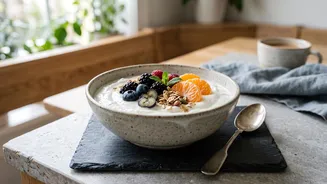
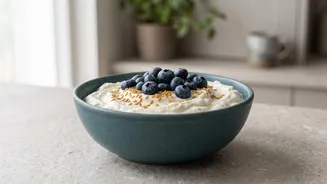
While it may be tempting for night owls to try and force a new sleep schedule, experts suggest focusing on overall consistency and gut-friendly habits. Maintaining a regular sleep pattern, even on weekends, is an adjustable lifestyle behavior that can support a healthier microbiome. Regardless of your chronotype, supporting your gut health is always a good idea. This includes eating a diverse, fiber-rich diet full of fruits, vegetables, and whole grains to feed beneficial bacteria. While research into specific probiotics for sleep is still emerging, focusing on these foundational health habits—consistent sleep, a balanced diet, and stress management—is the most evidence-based approach for both a happy gut and a restful night.