



The Eat-First Brigade
The key to a successful weekly shop is to plan meals around how quickly your produce will spoil. Think of it as a 'first in, first out' strategy for your vegetable crisper. In the first one to three days after your grocery run, you should prioritise the most
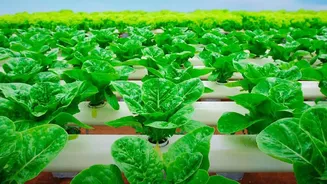
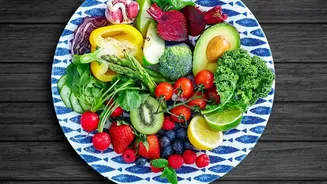
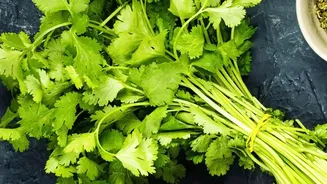
delicate items. This group includes leafy greens like spinach and coriander, which tend to wilt quickly. Berries, mushrooms, avocados, and soft herbs like basil and mint also belong in this category. These ingredients are perfect for vibrant salads, quick stir-fries, omelettes, or as fresh garnishes for your dals and curries. Using them up front ensures you get them at their peak freshness and flavour, preventing them from turning into a sad, forgotten mess in the back of the fridge.
Your Mid-Week Champions
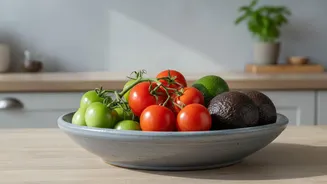
Once you've enjoyed the most perishable produce, it's time to turn to the semi-sturdy vegetables that form the backbone of your mid-week meals. These are your workhorse ingredients that can comfortably last three to five days when stored correctly. This category includes vegetables like bell peppers (capsicum), broccoli, cauliflower, aubergine (brinjal), French beans, and tomatoes. These versatile veggies are perfect for a range of dishes, from a hearty vegetable korma or a simple sabzi to roasted side dishes and pasta sauces. Planning to use these items in the middle of the week bridges the gap between the ultra-fresh and the long-lasting, ensuring you're never out of options for a healthy, home-cooked meal.
The End-of-Week All-Stars
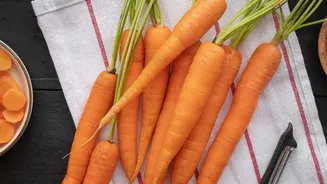
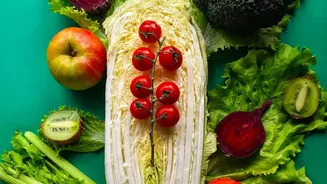
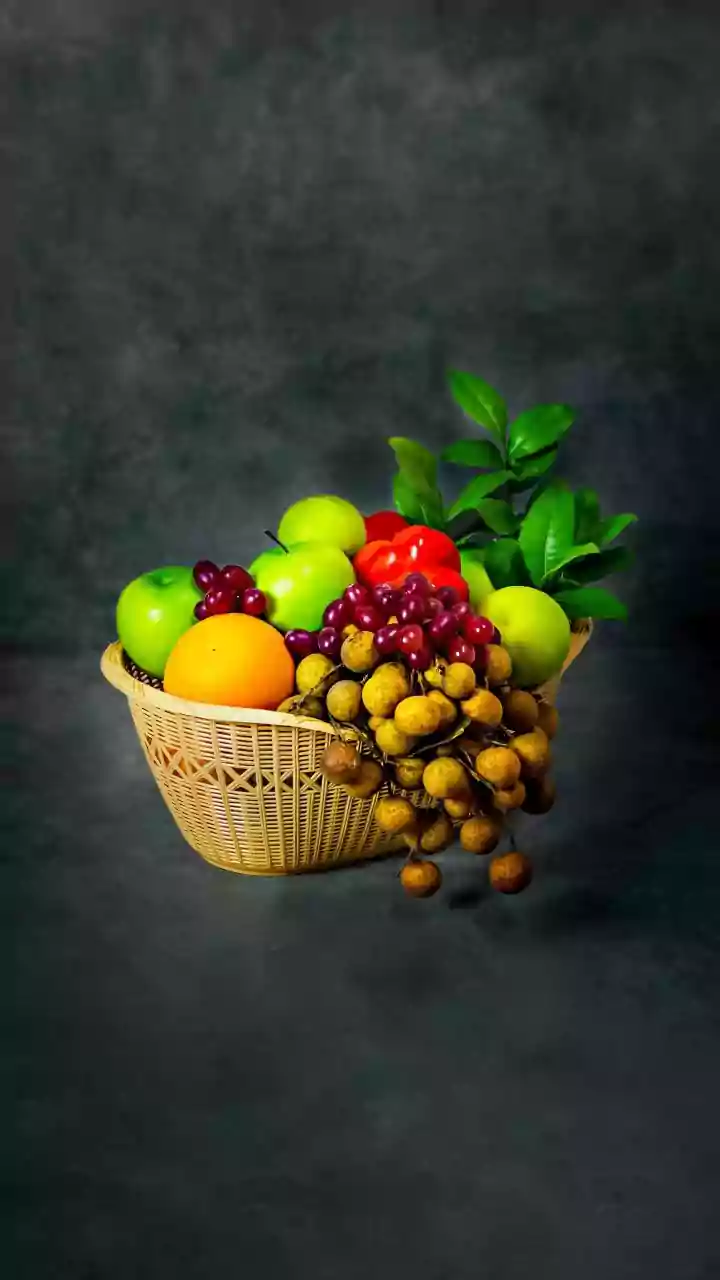
As you near the end of your weekly meal plan, it's time for the sturdiest produce to shine. These are the long-haul heroes of the vegetable world, capable of lasting a week or even longer if stored properly. Root vegetables are the stars here: potatoes, sweet potatoes, carrots, beets, onions, and garlic form a fantastic base for countless meals. Hardy greens like cabbage and kale also fall into this category, as do sturdy fruits like apples, pomegranates, and citrus fruits like oranges and lemons. These ingredients are perfect for comforting weekend meals like roasted vegetables, hearty soups, stews, and coleslaws. Having these reliable staples on hand means you can finish the week strong without an extra trip to the market.
Smart Storage is Your Secret Weapon
Simply buying the right produce isn't enough; you have to store it correctly to maximize its lifespan. Keep ethylene-producing fruits like apples, bananas, and tomatoes separate, as they can cause other produce to ripen and spoil faster. Leafy greens and herbs can be loosely wrapped in a damp paper towel and stored in a bag in the fridge. Store mushrooms in a paper bag, not plastic, to prevent them from becoming slimy. Root vegetables like potatoes, onions, and garlic should be kept in a cool, dark, and dry place, but don't store potatoes and onions together, as gases from the onions can cause potatoes to sprout. Using clear containers for pre-chopped veggies or leftovers helps you see what you have at a glance, reminding you to use it up. Creating an 'eat me first' box in your fridge for items nearing their end can also be a game-changer.
Delicious Ideas for Your Durable Produce
Wondering what to do with all those sturdy vegetables at the end of the week? The possibilities are endless and delicious. A big batch of roasted root vegetables—think carrots, sweet potatoes, and beets tossed with olive oil and spices—can be a side dish one night and repurposed into a salad the next day. Cabbage is incredibly versatile; use it for a crunchy slaw, a quick stir-fry, or a comforting cabbage sabzi. A simple soup made with potatoes, onions, carrots, and lentils is a perfect way to use up multiple long-lasting ingredients. Don't forget about fruit! Apples can be baked into a simple dessert or chopped into a salad for a crunchy, sweet contrast. By embracing these durable ingredients, you ensure that your kitchen is always stocked for a satisfying meal, no matter how long it's been since you last went shopping.