



What is the August 12 Event?
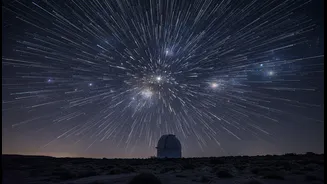
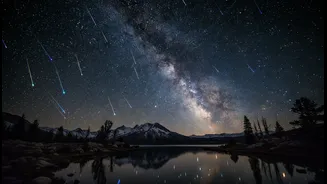
The celestial event gracing our skies is the annual Perseid meteor shower, one of the most beloved and reliable showers of the year. It becomes active from mid-July to late August, but it will reach its spectacular peak on the night of August 12 and into
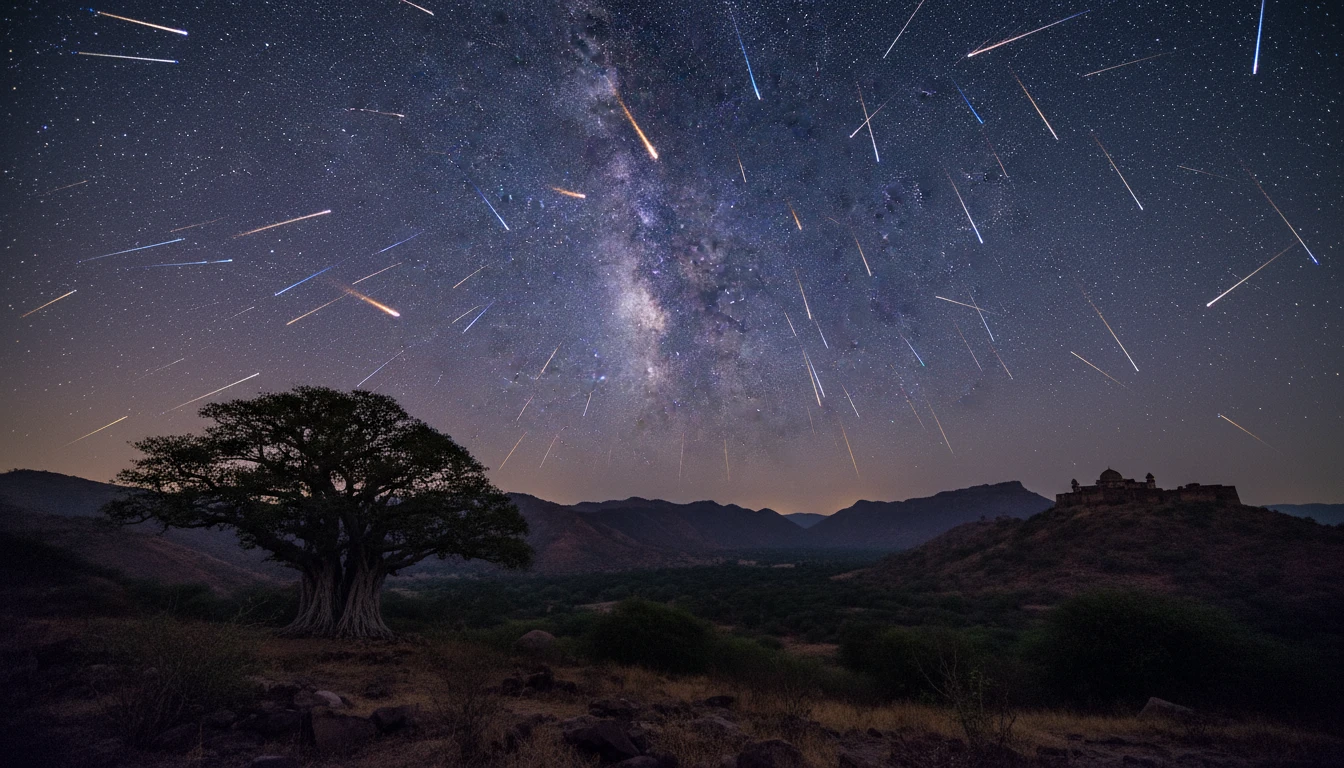
the pre-dawn hours of August 13, 2026. These 'shooting stars' are not actually stars but tiny bits of debris left behind by the comet 109P/Swift-Tuttle. Every August, Earth's orbit takes it through this ancient stream of cosmic dust. When these particles, many no bigger than a grain of sand, hit our atmosphere at speeds around 59 km per second, they burn up, creating the bright, fast streaks of light we see from the ground. The shower gets its name because the meteors appear to radiate from the constellation Perseus.
The Benefits: A Night of Awe and Wonder
The primary benefit of watching the Perseids is the simple, profound joy of the experience. It's a chance to connect with the cosmos and witness a natural spectacle. Stargazing has been shown to reduce stress, promote a sense of calm, and offer a much-needed digital detox. Stepping outside to watch the sky can lower stress levels and improve your mood. This year's event is particularly special because the peak aligns with a new moon, meaning the sky will be exceptionally dark, making for ideal viewing conditions without any pesky moonlight to wash out the fainter meteors. It’s a perfect, low-cost activity for families and friends to share, creating memories that last long after the final meteor has streaked across the sky.
The 'Risks': Common Pitfalls to Avoid
Let’s be clear: there are no risks to people on the ground from the meteors themselves. The real 'risks' are practical concerns that could spoil your viewing experience. The biggest challenge for viewers in India is the monsoon season; heavy cloud cover can completely obscure the show. Another pitfall is light pollution. Trying to watch from a brightly lit city will lead to disappointment, as city glow washes out all but the brightest meteors. Other common mistakes include not allowing your eyes enough time (about 20-30 minutes) to adapt to the dark, getting a stiff neck from staring straight up, or being underdressed for a potentially cool night. For spacecraft in orbit, there is a small but recognized risk from meteoroid impacts, which is why agencies like NASA monitor these events closely.
How to Get the Best View in India
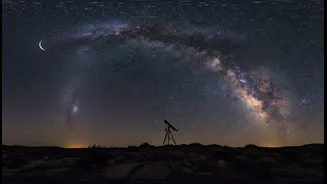
Success depends on two things: clear skies and dark skies. Given the monsoon, your best bet is to check local weather forecasts. Drier regions in western and northern India, like parts of Rajasthan, Ladakh, or Spiti Valley, have a much better chance of clear skies in August. You don’t need a telescope or binoculars; your eyes are the best tool for the job since they provide the widest field of view. Find a safe spot away from city lights. Lie on a blanket or reclining chair to watch comfortably. The best time to watch is from midnight until dawn on the night of August 12-13. Be patient; the show happens all over the sky, not just in one spot. Under ideal conditions, you could see over 60 meteors per hour.
The Final Takeaway
The 2026 Perseid meteor shower is shaping up to be a fantastic astronomical event, especially thanks to the moon-free sky. It offers a wonderful opportunity to pause our busy lives and feel a sense of awe. While the main challenge for Indian viewers will be dodging monsoon clouds, a little planning can greatly increase your chances of witnessing a memorable display. The event is free, accessible, and requires no special equipment. The real takeaway is to make an effort to go outside, look up, and enjoy one of nature’s most spectacular and reliable light shows. It's a humbling and beautiful reminder of our place in a much larger universe.