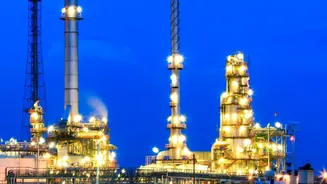







From Crude Oil to Your Vehicle
The price you pay for travel in India is deeply connected to what’s happening in international oil markets. Since India imports over 85% of its crude oil, any shift in global prices has a direct impact. This crude oil is purchased in US dollars, so the
final cost depends on both the per-barrel price and the rupee-dollar exchange rate. Once the crude oil arrives, it is processed in refineries to produce petrol, diesel, and Aviation Turbine Fuel (ATF). The price you see at the petrol pump or that an airline pays for ATF is a sum of several parts: the base cost of the refined oil, margins for oil marketing companies, a commission for dealers, and significant taxes levied by both the central and state governments. These taxes can make up nearly half of the final retail price, which explains why fuel costs don't always fall as quickly as global crude prices.
The Direct Impact on Air Travel
Aviation Turbine Fuel (ATF) is one of the single biggest expenses for any airline, often accounting for 35-40% of its total operating costs. When global crude oil prices rise, the cost of ATF follows suit. Airlines are then faced with a choice: absorb the higher cost and accept lower profits, or pass it on to passengers. Most often, they do the latter. This is usually done by adding or increasing a 'fuel surcharge' component to the ticket price. Recent analyses in September 2026 have shown that sustained high crude prices could cause international airfares to rise by anywhere from 5% to 20%, with long-haul routes to places like North America and Europe seeing the steepest increases. Conversely, when crude prices fall for a sustained period, the government may encourage airlines to reduce these surcharges, potentially making air travel more affordable.
Why Your Daily Cab Ride Gets Pricier
The effect of fuel prices isn't limited to long-distance travel; it's a major factor in your daily commute as well. For drivers working with ride-hailing platforms like Ola and Uber, fuel is a significant daily operational cost. When petrol, diesel, or CNG prices increase, it directly squeezes the drivers' take-home earnings. In response, cab aggregators often revise their fare structures, either by increasing the base fare or by adding specific fuel surcharges. Even a seemingly small increase of ₹10-₹15 per ride can add up to a substantial amount for a regular commuter over a month. While companies are sometimes hesitant to raise fares for fear of losing customers in a competitive market, sustained high fuel prices almost inevitably lead to higher costs for passengers.
The Broader Ripple Effect on Tourism
The influence of oil prices extends beyond just tickets and fares. Diesel is the primary fuel for trucks and buses, which form the backbone of India's logistics network. An increase in diesel prices raises the cost of transporting everything, from food and beverages supplied to hotels and restaurants to other essential goods for tourist destinations. This can lead to higher menu prices at restaurants and increased costs for hotel stays, as businesses pass on their higher operational expenses. Similarly, intercity bus fares and even school transport costs can rise. This broad impact means that even if you aren't driving or flying, a spike in oil prices can make your entire holiday—from accommodation to meals—more expensive.