
Understanding the New Consensus
In the world of nutrition, scientific consensus evolves. Recently, a series of comprehensive reviews and meta-analyses have reaffirmed the health benefits of staple plant proteins, particularly those from legumes like soy and peas. Rather than one single
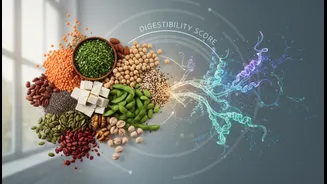
report, this understanding comes from a body of evidence, including findings discussed by regulatory bodies like the European Food Safety Authority (EFSA) and analyses in major health journals. These reviews collectively suggest that plant proteins are effective in promoting satiety, managing weight, and supporting muscle health. The general sentiment is positive: incorporating a variety of plant proteins into your diet is associated with better health outcomes, including reduced risk for cardiovascular disease.
The Green Light for Soy and Pea
Soy and pea proteins have come under the microscope and emerged with significant backing. Soy protein, a complete protein containing all nine essential amino acids, has been shown to help lower LDL ('bad') cholesterol levels. This is a key reason the U.S. Food and Drug Administration (FDA) has previously allowed a health claim linking soy protein to a reduced risk of coronary heart disease. Numerous studies also confirm its role in building and maintaining muscle mass, making it a viable alternative to animal-based proteins like whey. Similarly, pea protein is celebrated for its ability to promote fullness, which can help in weight management. It’s also considered a good source of iron and, like soy, supports muscle protein synthesis effectively. Both are praised as sustainable, nutrient-dense options.
The Fine Print: Acknowledging the Limits
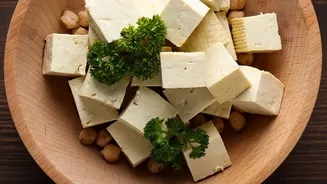
This renewed support doesn't come without important boundaries. For soy, the conversation often involves isoflavones—plant-based compounds that mimic estrogen. While large-scale studies show that daily consumption of up to 50 grams of soy protein is safe and beneficial for most, a diet heavily reliant on just soy isolates could be a concern. The key is moderation and focusing on whole or minimally processed forms like tofu, tempeh, and edamame, rather than exclusively relying on highly processed powders and bars. For pea protein, a notable caution is its sodium content. Some pea protein powders can be high in sodium, which is a consideration for anyone monitoring their blood pressure or on a sodium-restricted diet. Another point of discussion is that while pea protein contains all essential amino acids, it is relatively low in one called methionine. This doesn't make it inferior, but it does highlight the need for a varied diet to ensure you're getting a balanced amino acid profile from multiple sources throughout the day.
Why Whole Foods Still Win
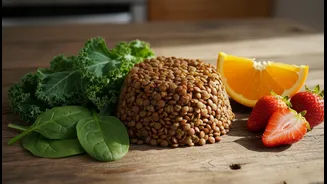
A crucial theme across recent findings is the importance of the 'food matrix'. This means considering the entire food, not just the isolated protein. When you eat whole soybeans (edamame) or lentils, you get protein plus fibre, vitamins, minerals, and beneficial phytochemicals that work together. The process of isolating protein to create powders and supplements can strip away some of these valuable co-nutrients, such as fibre that supports a healthy gut microbiome. While protein isolates have their place, especially for athletes or those with higher protein needs, experts recommend prioritizing whole food sources. This approach ensures you reap the full spectrum of benefits that plant-based foods have to offer, beyond just their protein content.
What This Means for Your Plate
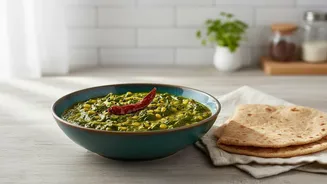
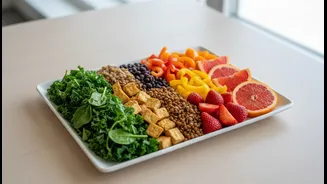
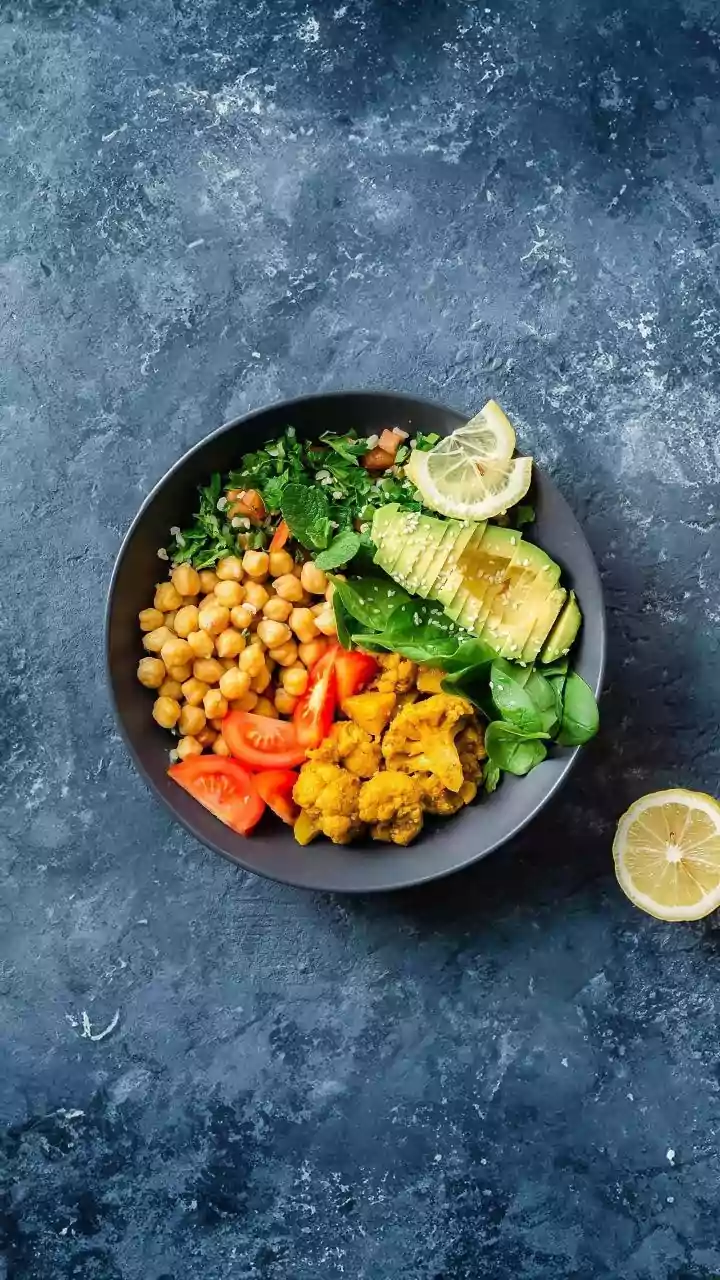
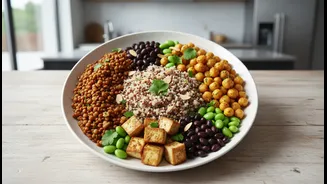
The message from these reviews is one of balance, not exclusion. Plant proteins are an excellent addition to any diet. For the average person in India, this reinforces the nutritional wisdom of traditional diets rich in dal, chickpeas, beans, and soy. If you use protein supplements, it’s wise to read the labels. Check for high sodium levels in pea protein powders and be mindful of added sugars in all supplements. The best strategy is to diversify your protein sources. Don't rely solely on one type. Mix it up with different legumes, nuts, seeds, and whole grains. This ensures you get a wide range of amino acids and other nutrients, mitigating any potential downsides of relying on a single source.