

What is Space Weather?
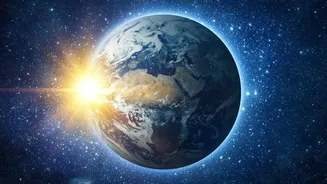
Just like weather on Earth describes conditions in our atmosphere, space weather refers to conditions in space that can affect Earth and its technological systems. The primary driver of space weather is the sun, which constantly sends out a stream of charged
particles called the solar wind. Most of the time, Earth's magnetic field—our planet's protective shield—deflects this solar wind. But when the sun's activity ramps up, it can create powerful storms that overwhelm these defences, leading to noticeable effects.
The Sun’s Violent Outbursts
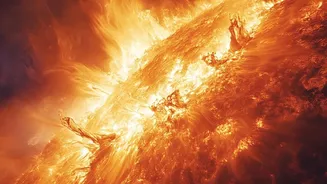
The most significant space weather events are solar flares and coronal mass ejections (CMEs). A solar flare is an enormous explosion on the sun's surface, a sudden flash of light that releases a torrent of X-rays and radiation travelling at the speed of light. This radiation can reach Earth in just eight minutes, disrupting radio communications. Often accompanying a flare is a CME, a massive cloud of magnetised plasma and particles hurled into space. If a CME is aimed at Earth, it can take anywhere from 18 hours to a few days to arrive, but when it does, it slams into our planet’s magnetic field, triggering what is known as a geomagnetic storm.
Our Technological Achilles' Heel
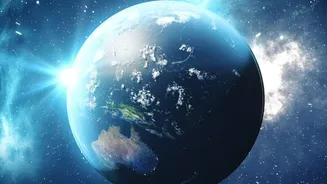
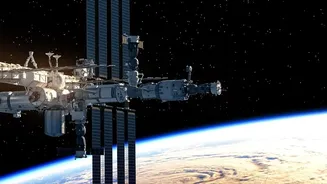
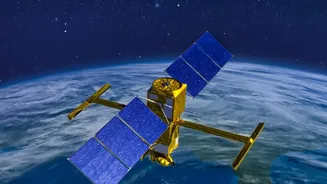
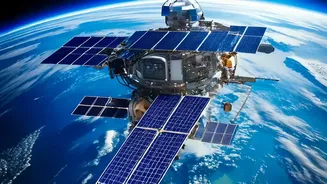
In our hyper-connected world, the biggest threat from a geomagnetic storm is to our technology. These storms can induce powerful electrical currents in long conductors on the ground. This can overload transformers and destabilise entire power grids, potentially causing widespread and long-lasting blackouts. Satellites are also highly vulnerable. Without the full protection of Earth's atmosphere, the charged particles from a storm can damage sensitive electronics, degrade solar panels, and even alter their orbits, disrupting GPS navigation, weather forecasting, and global communications.
A Warning From History
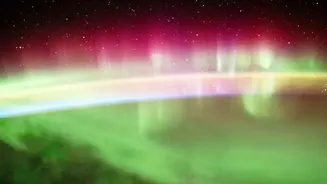
The benchmark for a worst-case scenario is the Carrington Event of 1859. Observed by British astronomer Richard Carrington, a massive solar flare was followed by the most intense geomagnetic storm in recorded history. While the world in 1859 lacked today's technology, the impact was still dramatic. Telegraph systems across the globe failed, with operators receiving electric shocks and telegraph paper catching fire from the induced currents. Auroras, typically seen only near the poles, were visible as far south as the tropics.
What If It Happened Today?
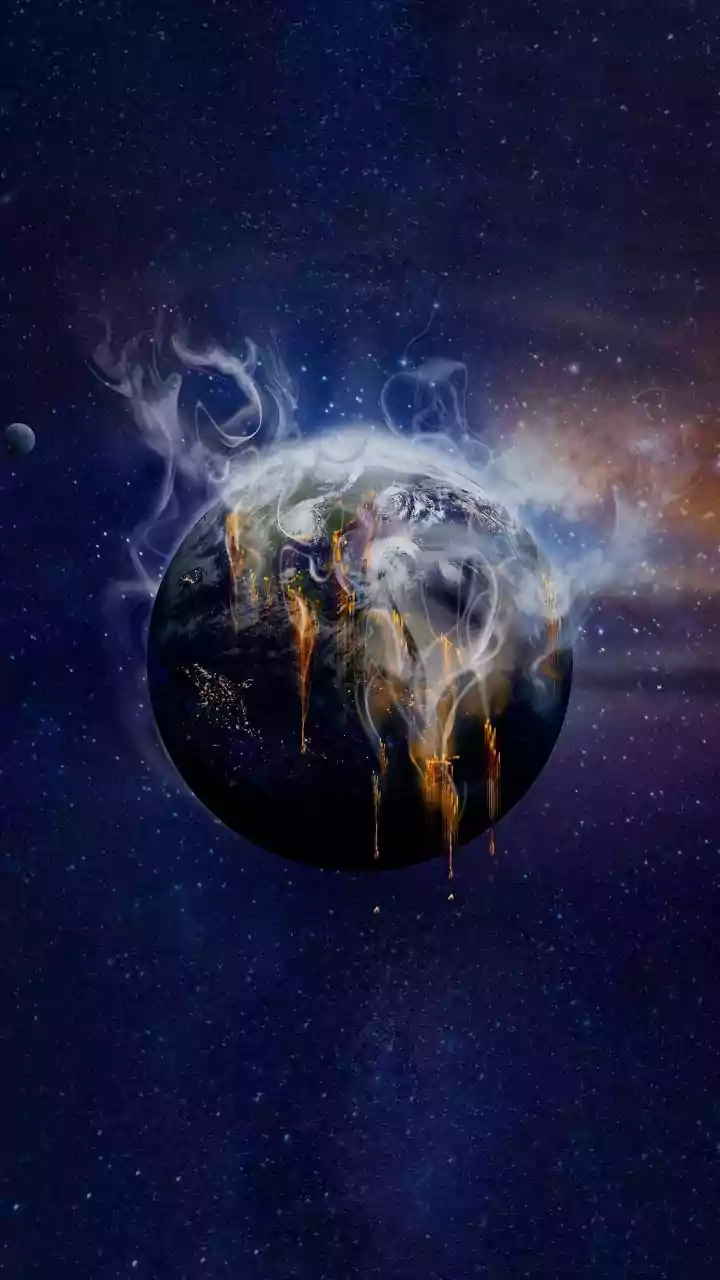
A storm on the scale of the Carrington Event today would be catastrophic. Our total dependence on electrical grids and satellite networks makes us far more vulnerable. Experts warn of potential widespread power outages that could take weeks or months to repair, crippling everything from finance and transportation to healthcare and basic utilities. Satellite-based services, including the GPS that farmers, airlines, and even your phone rely on, could be knocked offline, causing immense disruption and economic damage.
Watching the Skies
Fortunately, we aren't flying blind. Scientists and government agencies, such as NOAA's Space Weather Prediction Center (SWPC) in the US, constantly monitor the sun. Using a network of ground-based and satellite observatories, they track solar activity to issue watches and warnings, much like meteorologists forecast terrestrial weather. These forecasts give power grid operators, satellite companies, and airlines valuable time to take protective measures, such as temporarily shutting down systems or rerouting flights, to mitigate the worst effects of an incoming solar storm.