




The Temperature Danger Zone
That simple instruction on a food package is based on critical science. The core principle is avoiding the “temperature danger zone.” According to food safety agencies, this is the temperature range between 40°F (about 4°C) and 140°F (60°C). Within this range,
harmful bacteria like Salmonella, E. coli, and Staphylococcus aureus can multiply at an astonishing rate. Some bacteria can double their numbers in as little as 20 minutes when food is left at room temperature. When you leave the main container of leftovers on the counter while you heat a smaller portion, the entire batch enters this danger zone. Every minute it sits out, it becomes a more hospitable environment for bacteria that can cause foodborne illness.
The Real Risks of Ignoring the Rule
The consequences of letting food linger at room temperature can range from unpleasant to severe. Symptoms of foodborne illness include stomach cramps, nausea, vomiting, and diarrhoea. For vulnerable populations—such as young children, the elderly, pregnant women, and individuals with weakened immune systems—these illnesses can be particularly dangerous. It is a common misconception that simply reheating food will make it safe again. While reheating to a high temperature, typically 165°F (about 74°C), will kill active bacteria, it will not destroy all heat-resistant toxins that some bacteria produce when left to multiply. These toxins can survive the reheating process and still make you very sick. This is why prevention is key; the goal is to never let the bacteria multiply in the first place.
The Smart and Safe Way to Reheat
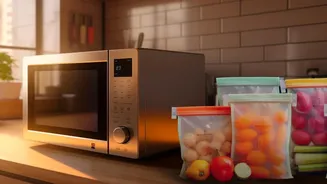
Following the correct procedure is simple and adds only seconds to your routine. The Food Safety and Standards Authority of India (FSSAI) advises to only heat the amount you plan to eat. Instead of placing the entire container on the counter, keep it in the refrigerator. Open the fridge, quickly scoop the portion you need into a separate bowl or pan, and immediately return the main container to the cold. This minimises the time the bulk of your food spends outside the safety of the refrigerator. When reheating, ensure the food is heated thoroughly. Sauces, soups, and gravies should be brought to a rolling boil. For other foods, use a food thermometer to check that the internal temperature reaches at least 165°F (74°C). If using a microwave, cover the food and stir it partway through to ensure even heating and eliminate cold spots where bacteria can survive.
Mastering Your Leftovers
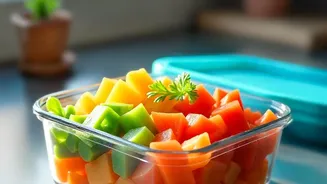
A few extra habits can elevate your food safety game. When you first store leftovers, do so within two hours of cooking. To help food cool down faster and more safely, divide large batches into smaller, shallow containers before refrigerating. This prevents a large, hot mass from raising the temperature inside your fridge and putting other foods at risk. FSSAI also advises against mixing freshly cooked food with older leftovers. Furthermore, you should avoid reheating the same portion of food multiple times, as each cycle of cooling and heating provides another opportunity for bacterial growth. It's best to take only what you'll eat for that meal and reheat it just once. By adopting these practices, you ensure that your delicious home-cooked meals remain safe and enjoyable from the first serving to the very last.