

The Palette: Warm, Bold, and Symbolic
The colour story for Navratri 2026 is all about warmth and energy. The core palette revolves around sunset orange, deep reds, and saffron yellows, often accented with the divine shimmer of gold. While each of the nine nights has its own associated colour,
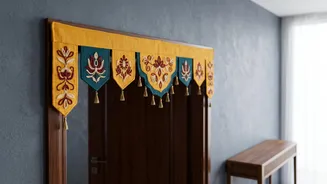
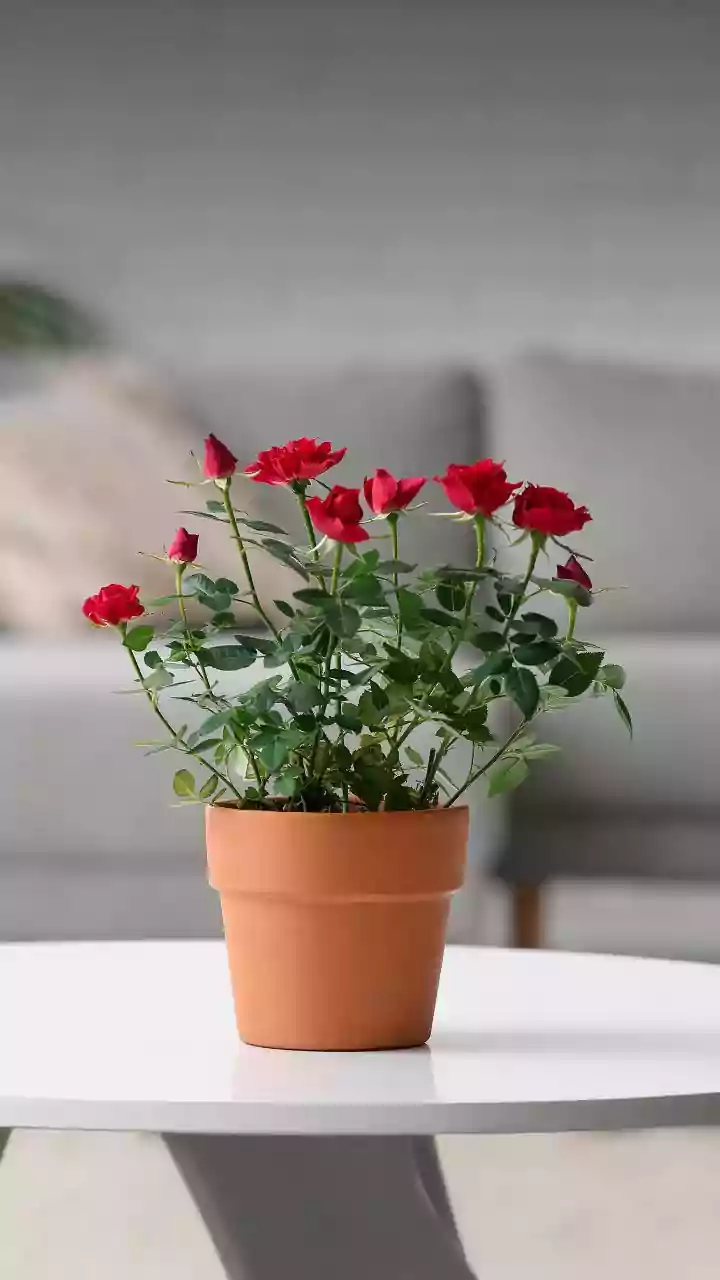
home decor this year focuses on creating a cohesive, festive mood that lasts the entire festival. Think bold, warm colours set against a neutral base of cream or white. This approach avoids overwhelming a space while allowing key pieces to shine. Marigolds, with their vibrant orange and yellow hues, are a simple and effective way to introduce this palette through fresh flower arrangements, torans at the entrance, and floral rangolis. The goal is to create an atmosphere that feels celebratory and auspicious, moving away from cooler tones like blues and silvers which don't carry the same festive energy.
Lighting the Way: Beyond Just Illumination
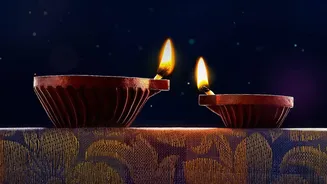
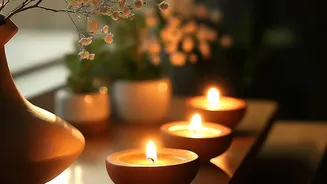
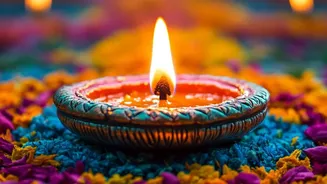
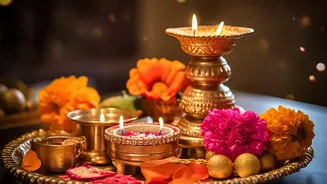
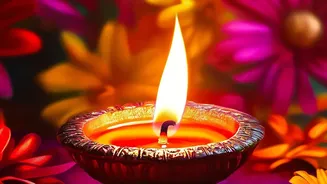
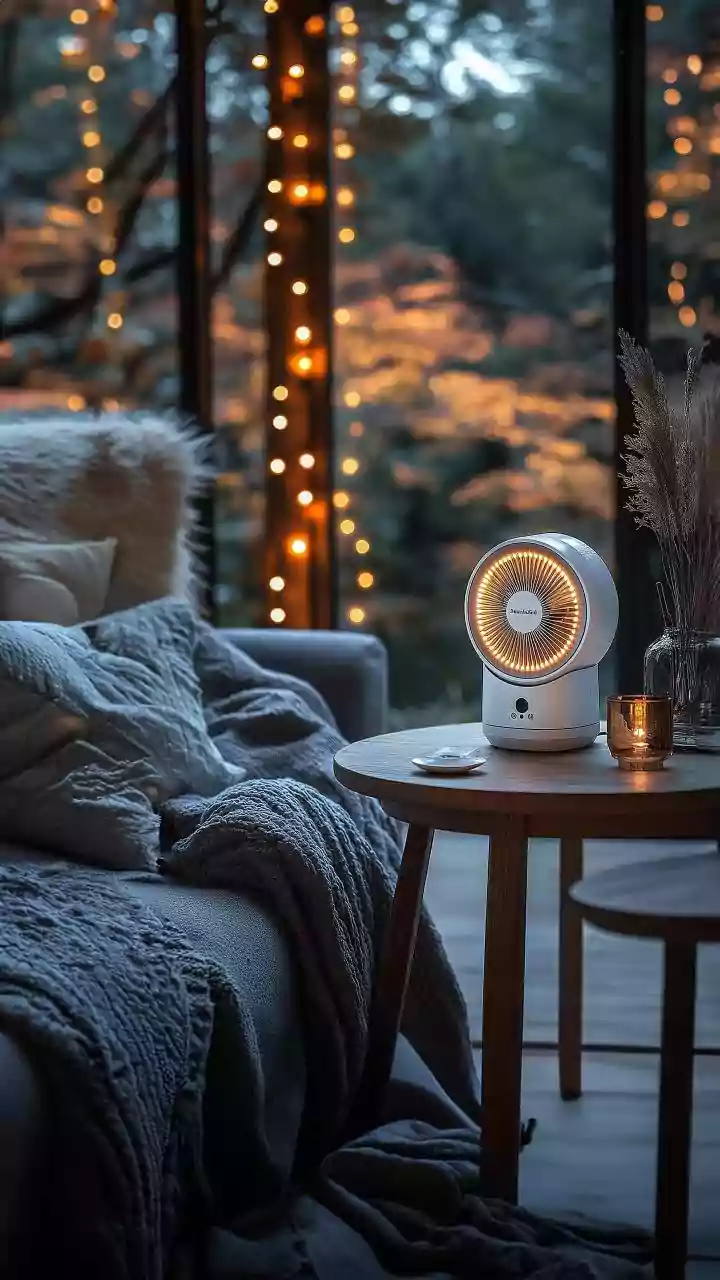
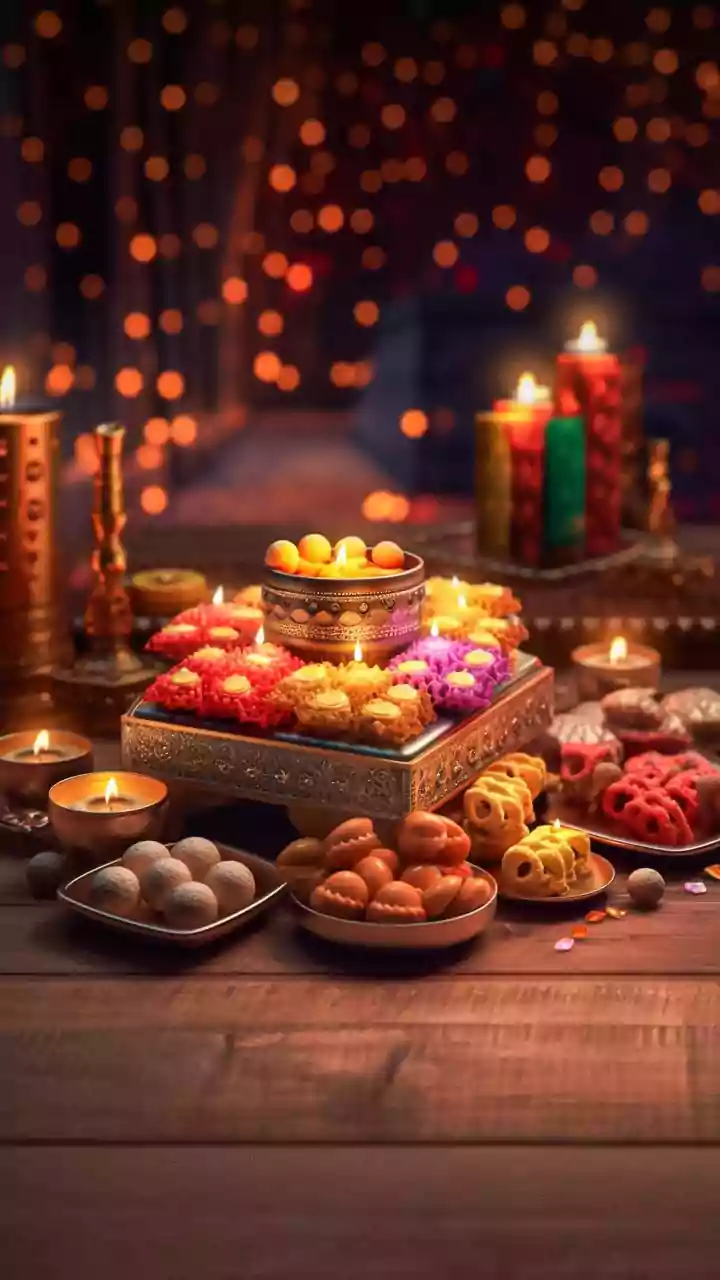
Lighting is a defining element of Navratri decor, creating an ambience of warmth and devotion. This year, the focus is on layered, gentle illumination rather than harsh, bright lights. Traditional clay or brass diyas remain central, best used in clusters on a tray, at the entrance, or near the mandir to create intentional points of light. For a modern touch that complements this, warm white fairy lights are a popular choice. Draped along a window, behind a mandir backdrop, or around a doorway, they add a soft, magical glow without feeling overpowering. Many are also turning to decorative table lamps and traditional lanterns to light up corners and create visual texture, transforming the home into a serene and welcoming sanctuary for evening prayers and gatherings.
Material Matters: Earthy and Sustainable Choices
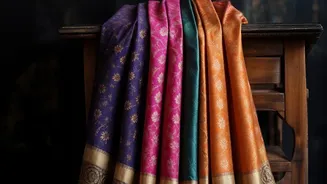
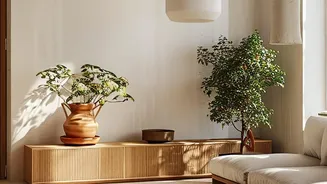
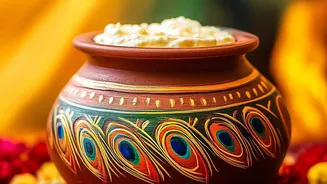
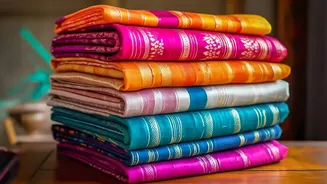
A significant trend for Navratri 2026 is the conscious move towards eco-friendly and natural materials. Homeowners are embracing decorations that are both beautiful and sustainable. Terracotta diyas, brass accessories, and items made from jute, wood, and cotton are seeing a resurgence. Instead of disposable plastics, there's a greater appreciation for reusable items that connect to Indian artisanal traditions. Colourful sarees or dupattas are being repurposed as backdrops for mandirs, and existing glass jars and wooden bowls are being used for floral arrangements. This approach is not only environmentally conscious but also adds a layer of authenticity and handcrafted charm to the festive decor, making the celebration more meaningful.
A Modern Golu for Urban Spaces
The traditional Golu doll display, a cornerstone of Navratri in many South Indian households, is being adapted for contemporary homes. With space often being a constraint in urban apartments, many are opting for smaller, more curated displays. The convention of using an odd number of steps (padi)—like three, five, or seven—remains, but the execution is often more minimalist. Instead of vast collections, families are focusing on key sets of dolls, such as the Dasavataram or a depiction of a single mythological story. The arrangement still follows a gentle hierarchy, with deities on the top steps and scenes of daily life at the bottom. These modern Golu displays prove that participating in this beautiful tradition is possible regardless of the size of your home.
Focal Points: Decorating with Intent
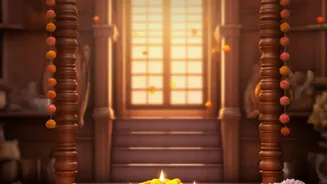
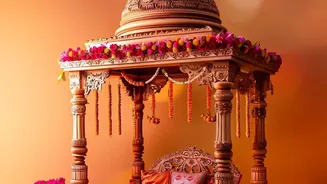
For those living in smaller homes or apartments, the key to effective festive decor is to create specific focal points rather than trying to decorate every surface. The main entrance, the home mandir or pooja corner, and the living room are the three key areas to focus on. A beautifully decorated entrance, perhaps with a fresh flower toran, a small rangoli, and a pair of diyas, sets a welcoming tone. The pooja space can be enhanced with a simple fabric backdrop, fresh flowers, and warm lighting. In the living area, swapping out everyday cushion covers and throws for festive ones in the Navratri colour palette is an easy yet impactful change that can refresh the entire room.