




The Rise of the Feline Aristocracy
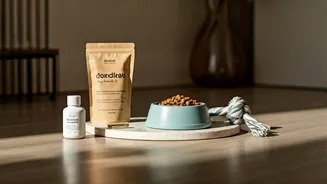
In the high-rises of Bandra and the leafy lanes of Malabar Hill, life for a cat can be exceptionally plush. We're not just talking about a bowl of premium kibble. We're talking about curated, human-grade meals delivered fresh. Think salmon pâté and chicken
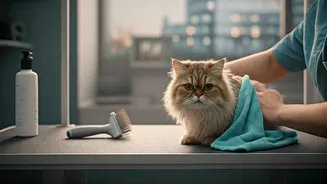
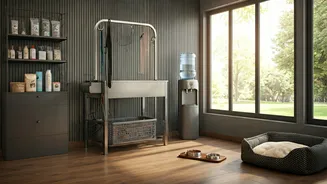
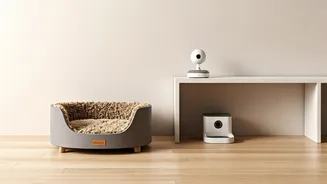
broth ice pops. These feline residents enjoy regular appointments at grooming salons that offer services like 'pawdicures,' de-shedding treatments, and aromatherapy baths. When their human parents travel, they aren’t left with a neighbour. Instead, they check into 'cat-only' luxury boarding facilities that boast private suites with window perches, interactive toys, and 24/7 camera access for anxious owners.
From Pet to Family Member
What’s driving this feline-focused extravagance? The answer lies in a profound sociological shift. Across urban India, and particularly in fast-paced cities like Mumbai, the very definition of family is evolving. For many millennials and Gen Z professionals, especially those in DINK (Dual Income, No Kids) households or living alone, pets have filled a crucial emotional role. They are not just animals; they are companions, confidantes, and bona fide family members. This 'humanisation' of pets is the engine behind the demand for premium services. When you see your cat as your 'child,' spending on their health, comfort, and happiness feels less like an indulgence and more like a parental responsibility. This emotional investment justifies the high price tags on everything from veterinary specialists to bespoke cat furniture.
The Instagram-Ready Cat
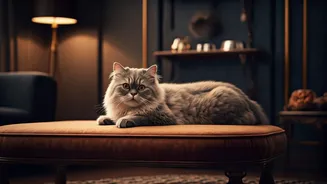
Social media has thrown gasoline on this cultural fire. A well-groomed Persian cat lounging on a designer rug is not just a pet; it's a status symbol and a content opportunity. Platforms like Instagram are filled with profiles dedicated to these pampered felines, some boasting thousands of followers. This has created a performative aspect to pet ownership. The pressure to present a perfect life extends to one's pets. Owners are influenced by global trends, following international 'catfluencers' and seeking out similar products and experiences for their own pets. A unique collar from an artisanal brand or a video of a cat enjoying a high-tech toy becomes a way to signal taste, care, and social standing, further fuelling the boutique industry that caters to them.
How a Niche Market Shapes an Industry
While this elite tier represents a small fraction of Mumbai's cat owners, its influence on the pet care market is disproportionately large. This is the segment that 'dominates pet care reports.' Market analyses and trend forecasts are naturally drawn to high-growth, high-margin sectors. Entrepreneurs and investors see the profitability in catering to owners willing to spend thousands per month. This has led to a surge in start-ups offering everything from pet insurance and behavioural therapy to gourmet food subscriptions. The visibility of this luxury market has a trickle-down effect, raising awareness and creating aspirations among a broader middle-class audience. Suddenly, a better brand of cat food or a visit to a professional groomer seems less like a luxury and more like a standard of good care.
A New Standard of Care
This trend isn't just about lavish spending; it has also elevated the conversation around animal welfare. The demand for specialised care has led to an increase in veterinarians who specialise in feline health, addressing complex issues that might have previously been overlooked. There is greater awareness about diet, mental stimulation, and the specific environmental needs of indoor cats. Cat-only clinics reduce stress for the animals, and a focus on preventative health is becoming more common. While the extravagance can seem startling, the underlying shift towards more attentive, informed, and empathetic pet ownership is a positive development that benefits cats at all levels of the economic spectrum, as best practices and knowledge become more widespread.