





From Sightseeing to Experiencing
The travel landscape in India is undergoing a significant transformation. A growing number of domestic and international tourists are no longer content with merely sightseeing; they are actively seeking immersive and authentic experiences. This shift
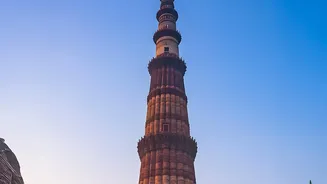
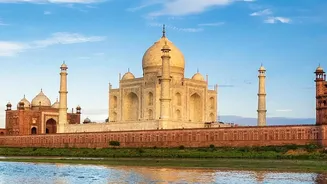
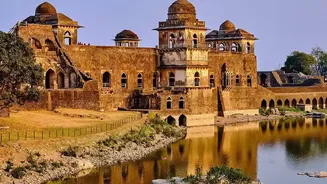
is driven by a desire to connect with the local culture, traditions, and way of life on a deeper level. Instead of just visiting a palace, travellers now want to stay in a heritage property. Instead of just eating at a restaurant, they want to take a cooking class in a local's home. This trend, often called experiential or culture-led travel, is moving the focus away from overworked tourist hubs and towards the country's vast, relatively untouched rural landscapes. Recent reports show travellers are prioritising personal growth, wellbeing, and genuine connections over a 'perfect' holiday, a change in mindset that is fuelling this movement.
The Rise of the Homestay Economy
At the heart of this trend is the booming homestay sector. Homestays offer travellers affordable accommodation combined with a unique chance to experience local hospitality and culture firsthand. This model allows local families, particularly in rural and emerging destinations, to become micro-entrepreneurs with minimal investment, simply by utilising existing rooms in their homes. The economic impact is direct and powerful. It empowers local residents, especially women, by providing a steady income, enhancing their decision-making status within the family, and boosting their self-confidence. Studies show that running a homestay not only generates employment but also helps in preserving local culture and preventing the migration of people from rural to urban areas in search of work.
Government Push for Rural Tourism
This grassroots movement is being actively supported by government policy. The Ministry of Tourism has formulated a national strategy to develop rural tourism, recognising its potential to stimulate economic growth and social change. Initiatives like 'Swadesh Darshan 2.0' have shifted focus from tourist circuits to developing specific destinations to be sustainable and responsible. States like Uttar Pradesh and Sikkim are also launching ambitious schemes to develop hundreds of villages into tourism hubs, providing financial backing and training for homestays and farm stays. The central government has also launched initiatives to provide financial assistance for the development of homestays in tribal areas, aiming to enhance livelihood opportunities for these communities. This top-down support, combined with the bottom-up demand from travellers, is creating a fertile ground for community-led tourism to flourish.
A Win-Win for All
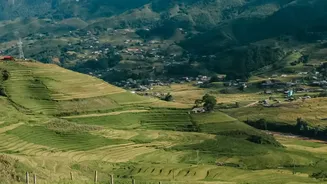
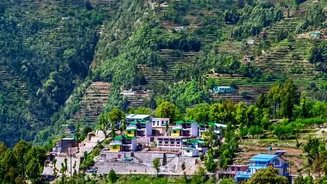
This new model of tourism offers a clear advantage for everyone involved. Travellers get a more meaningful and memorable journey, connecting with the 'real' India beyond the guidebooks. They find themselves in tranquil places like Himachal's Thachi Valley or exploring the unique culture of Bastar in Chhattisgarh. Host communities, in turn, receive direct financial benefits. The income generated stays within the local economy, supporting not just the homestay owner but also local artisans, guides, and food producers. This creates a sustainable economic ecosystem that values and preserves cultural and natural heritage, rather than exploiting it. Community-led initiatives ensure that villagers become architects of the visitor experience, fostering a sense of pride and ownership.
Navigating the Challenges Ahead
While the shift is overwhelmingly positive, it is not without its challenges. The primary risk is that these newly discovered 'offbeat' destinations could suffer the same fate as the places travellers are trying to escape: overtourism. There is a need for careful planning to ensure that infrastructure development is sustainable and does not strain local resources. Another significant hurdle is the availability of a skilled workforce. As tourism expands beyond established hubs, there is a growing need for trained guides, hospitality staff, and managers who can deliver a quality experience while being sensitive to the local environment and culture. Addressing these issues proactively will be crucial to ensuring the long-term success and sustainability of this promising trend in Indian tourism.