






The Viewpoint Hustle
Popular hill stations in India—from Shimla and Manali to Ooty and Darjeeling—are often described as victims of their own success. The dream of a serene mountain escape quickly evaporates when faced with the reality of overtourism. Travellers can spend
hours in traffic jams just to reach a famed viewpoint, with vehicles clogging narrow mountain roads. Once there, the experience is less about connecting with nature and more about navigating crowds. This seasonal overcrowding strains local infrastructure, from water resources to waste management, and the very peace that people travel to find is often the first thing to disappear. What should be a relaxing holiday can end up testing your patience, turning a moment of anticipated awe into an exercise in queuing.
The Unexpected Magic of Mist
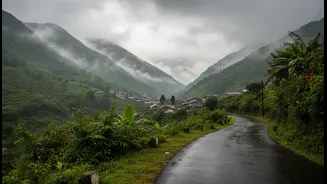
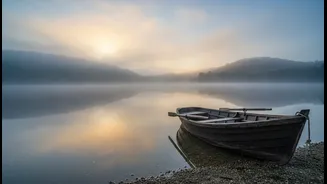
In our quest for the perfect, sun-drenched panorama, we’ve been conditioned to see a foggy day as a failure. But travel writers and photographers know a secret: mist transforms the ordinary into the magical. It softens harsh lines, mutes colours, and adds a layer of mystery and mood that a clear blue sky can't replicate. A familiar landscape becomes unknown and dreamlike. Instead of seeing for miles, your focus is drawn to the details in front of you: the silhouette of a lone tree, the texture of damp earth, the way light filters softly through the haze. This isn't a ruined view; it's a different, more intimate one that encourages you to look closer and feel the atmosphere of a place.
A Symphony for the Senses
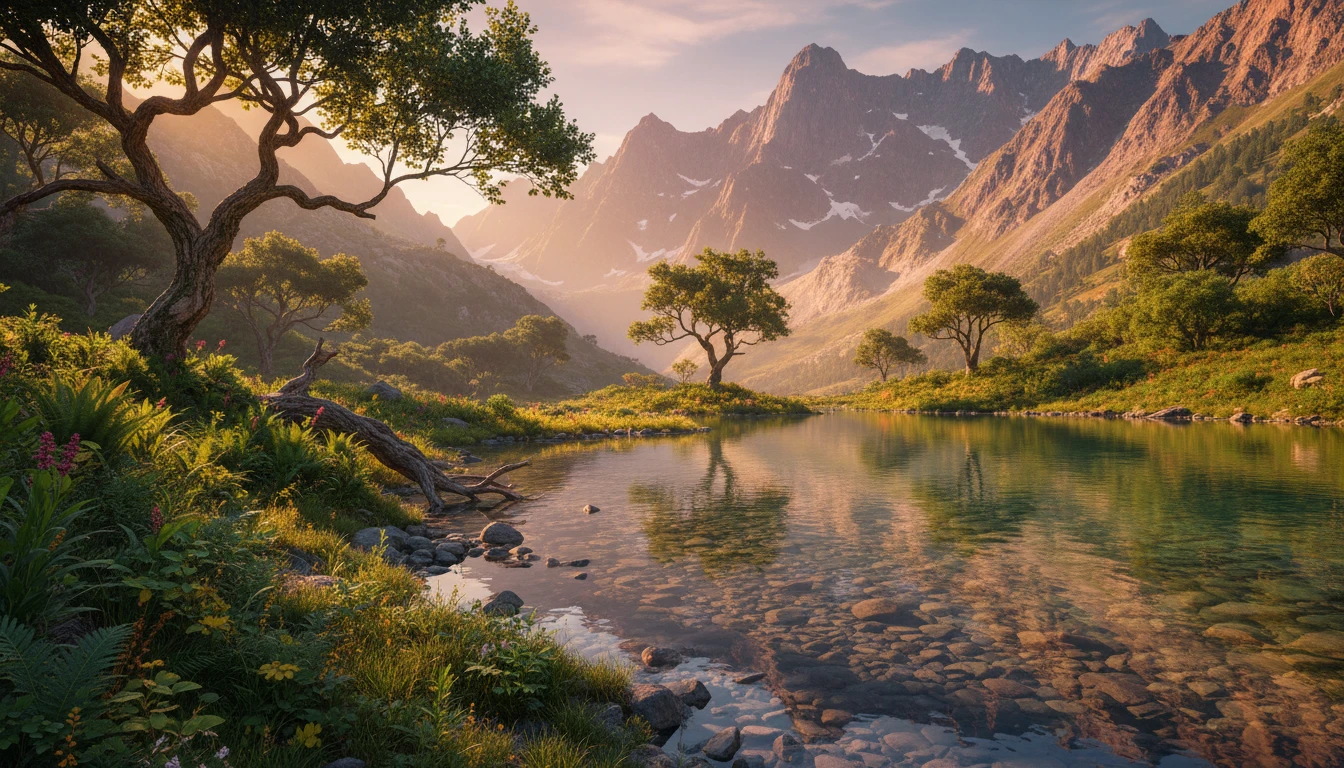
Trading a crowded viewpoint for a quiet lakeside doesn't just change what you see; it changes how you experience the world. The science of "blue spaces" confirms what many feel instinctively: being near water has profound, measurable benefits for our mental health. It is linked to lower stress and anxiety, reduced blood pressure, and an overall boost in mood and well-being. The gentle, rhythmic sounds of water can have a calming, meditative effect. This sensory experience stands in stark contrast to the noise and distraction of a crowded tourist hub. At a misty lake, the world quiets down. You can hear the call of a bird, the rustle of leaves, and the gentle lapping of water, engaging all your senses rather than just your sight.
Trading Perfection for Presence
The pressure to capture a flawless, Instagram-worthy photo can often pull us out of the present moment. We end up seeing the world through our screens, focused on documenting an experience rather than living it. The misty lake offers an antidote. Its beauty is imperfect, fleeting, and deeply personal. It encourages a state that psychologists call "soft fascination," where your mind can wander and restore itself without the strain of directed attention. This environment fosters mindfulness and self-reflection. By letting go of the need for a perfect picture, you gain something far more valuable: the freedom to be truly present, to feel the cool air on your skin, and to connect with something larger than yourself.