





India's journey to showcase its unparalleled historical wealth has reached a new milestone. Three new sites, with Chhattisgarh's Sirpur Cultural Landscape at the forefront, have been added to UNESCO's prestigious Tentative List for World Heritage status.
A Stepping Stone to Global Acclaim
Before a site can be officially crowned a World Heritage Site, it must first feature on its country's Tentative List. This is an inventory of properties that a nation considers to have 'Outstanding Universal Value'. Inclusion on this list is the crucial first step in a long and rigorous nomination process. It signals a country's intent to prepare a comprehensive nomination dossier for future consideration by the World Heritage Committee. While not a guarantee of inscription, it's a declaration that these sites are globally significant treasures, worthy of preservation and recognition. The process involves detailed documentation, evaluation by advisory bodies like ICOMOS, and a final decision by the intergovernmental committee.
Sirpur: A Lost Metropolis Re-emerges
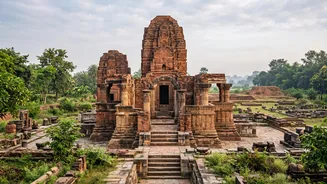
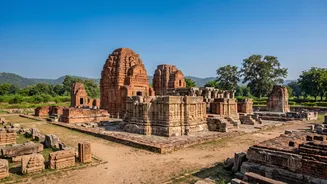
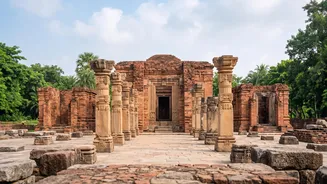
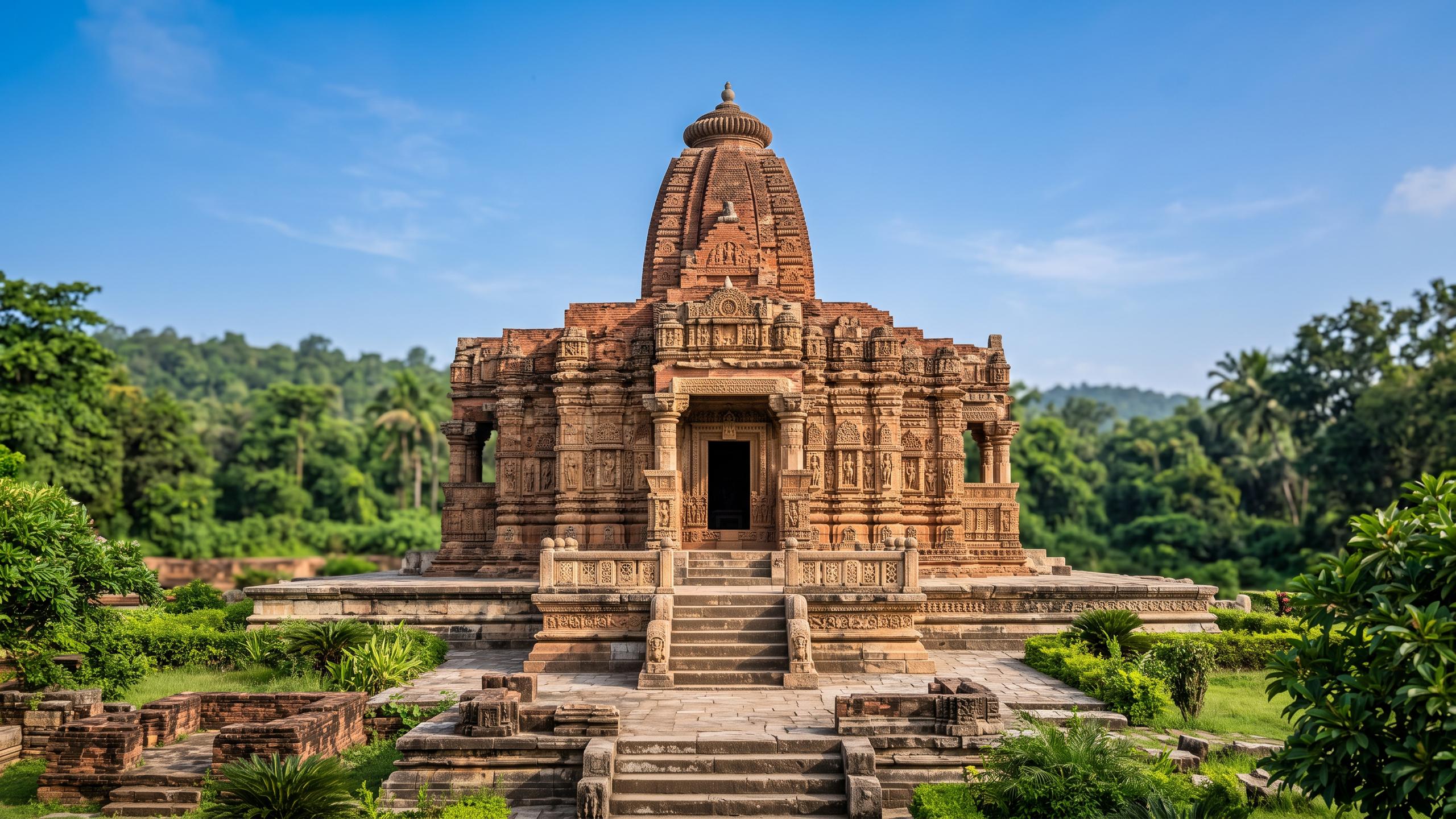
The highlight of the new additions is the Sirpur Cultural and Archaeological Landscape in Chhattisgarh. Situated on the banks of the Mahanadi River, Sirpur was once the thriving capital of South Kosala from the 5th to the 12th centuries. Historically known as Shripur, it was a major centre for commerce and culture, where Hindu, Buddhist, and Jain traditions flourished side-by-side. The archaeological remains are a testament to this religious harmony, with magnificent temples, expansive monasteries (viharas), and royal structures. Excavations have revealed a sophisticated urban plan, including a market complex and palace. The nomination highlights outstanding structures like the brick-built Lakshmana Temple and the Anandaprabhu Kuti Vihara, showcasing an exceptional exchange of architectural values and illustrating a significant stage in human history.
Andaman's Geological Marvels
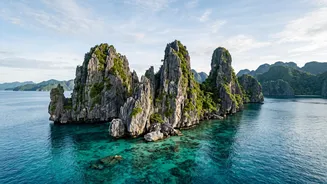
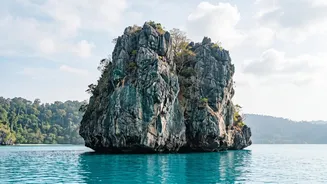
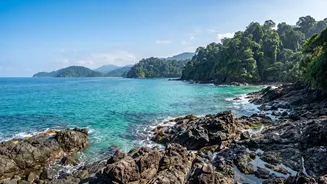
Beyond Sirpur, two natural wonders from the Andaman and Nicobar Islands have also made the list. The first is the Karst-mud-volcano Complex of Baratang. This site is remarkable for its unique combination of limestone caves formed over millions of years and active mud volcanoes, which are a rare geological phenomenon. These features provide a living laboratory for studying seismically triggered geological processes. The second site is the Andaman Subduction Volcanoes, which includes Barren Island and Narcondam Island. Barren Island is home to South Asia's only confirmed active volcano, making it a site of immense geological importance. Narcondam is a dormant volcanic island with a unique and isolated ecosystem, home to endemic species like the Narcondam hornbill. Together, these sites represent the dynamic tectonic processes that have shaped this archipelago.
The Path Forward for India's Heritage
With these three additions, India's Tentative List now includes a diverse array of 81 sites, spanning natural wonders, cultural landscapes, and architectural marvels. The journey for Sirpur, Baratang, and the Andaman volcanoes is just beginning. The next stage involves the meticulous preparation of detailed nomination dossiers by the Archaeological Survey of India and other government bodies. These files must convincingly argue for the 'Outstanding Universal Value' of each site through comparative analysis, clear boundary definitions, and robust management plans. The successful inscription of these sites would not only bring global prestige but also boost conservation efforts, promote responsible tourism, and deepen our collective appreciation for the subcontinent's rich and layered history. It is a long road, but one that reaffirms India's commitment to protecting its irreplaceable heritage for future generations.