






The Scale of the Energy Appetite
A study from Harvard University, published in Nature Sustainability, provides a startling look at the energy consumption of America's largest 'hyperscale' data centers (HDCs). These massive facilities, which power everything from cloud services to AI
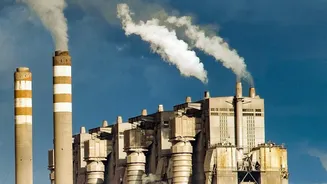
model training, consumed between 68 and 99 terawatt-hours of electricity in the year leading up to April 2025. To put that in perspective, the upper estimate approaches the annual electricity usage of entire US states like Michigan or Tennessee. This consumption accounted for roughly 1.8% of all electricity used in the U.S. during that period, resulting in approximately 25.7 million metric tons of carbon dioxide emissions — an amount comparable to the yearly emissions of Denmark. Researchers noted this is likely a conservative figure, as the data is from before the most recent surge in AI development.
What is the 'Computing Infrastructure'?
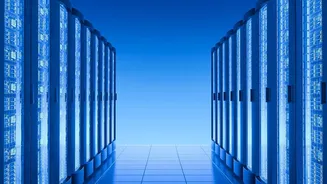
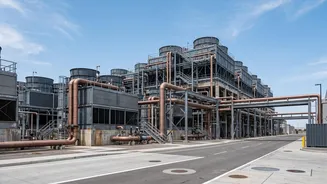
When we talk about computing infrastructure, we're referring to the vast, windowless buildings packed with tens of thousands of computer servers that work 24/7. Every email sent, photo uploaded, or AI query made is processed in one of these facilities. These servers generate immense heat, requiring powerful and continuous cooling systems, which can account for up to 40% of a data center's total energy use. This combination of powering servers and cooling them makes these centers 'factories that never sleep'. The study highlighted that the majority of this power is not clean; roughly 54% of the electricity used by these hyperscale centers came from fossil fuels, primarily natural gas (38%) and coal (15%).
The Global Impact and India's Boom
While the Harvard study focused on the US, the 'energy burden' is a global issue. The International Energy Agency (IEA) projects that global data center electricity consumption could more than double by 2030. India is at the heart of this expansion. With major investments from companies like Amazon, Microsoft, and Google, India's data center capacity is undergoing explosive growth. The country's installed capacity grew from under 500 megawatts (MW) in 2019 to over 1,400 MW in 2025, and it could more than quintuple by 2030. This boom is expected to increase the sector's share of national electricity consumption from less than 1% today to as high as 6% by 2030, presenting a major challenge for a country already managing ambitious energy targets and water scarcity issues.
The Soaring Costs of AI
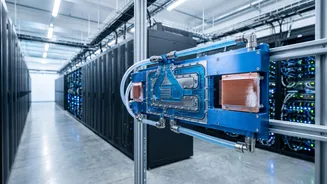
The rapid advancement of artificial intelligence is a primary driver of this escalating energy demand. Training a single large AI model can generate hundreds of tons of carbon dioxide, and a simple AI query uses significantly more energy than a traditional web search. These power-hungry AI workloads require more powerful processors packed densely together, which in turn demands more sophisticated and energy-intensive cooling technologies, such as liquid cooling. Researchers noted that this AI-driven boom means their findings are likely already outdated, with one lead author calling data from early 2025 'ancient history' in AI time. The growth is so fast that projections show AI could be responsible for 70% to 80% of data center energy consumption by 2030.
The Path to Sustainable Computing
The challenge is not to halt technological progress but to make it more sustainable. Tech giants are actively investing in green technologies, building more efficient facilities, and purchasing renewable energy to power their operations. Innovations in 'green data centers' focus on everything from using low-power processors to advanced cooling techniques, like Lenovo's Neptune water-cooling which can cut power use by up to 40%. In India, data centers are becoming key customers for new 'round-the-clock' renewable energy projects that combine solar, wind, and battery storage. This push for efficiency and clean energy is crucial, as decisions made today about how to build and power the world's digital infrastructure will have a lasting impact on the environment.