
In the world of Indian comfort foods, dalia and khichdi hold a special place. Both are celebrated for being nourishing and easy to prepare. But as health consciousness grows, a common question arises: which one packs a better protein punch?
The Contenders: A Closer Look
Before diving
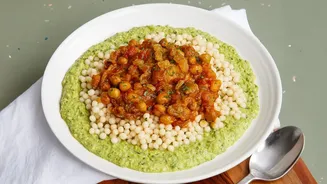
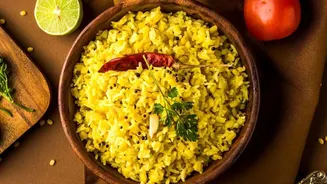
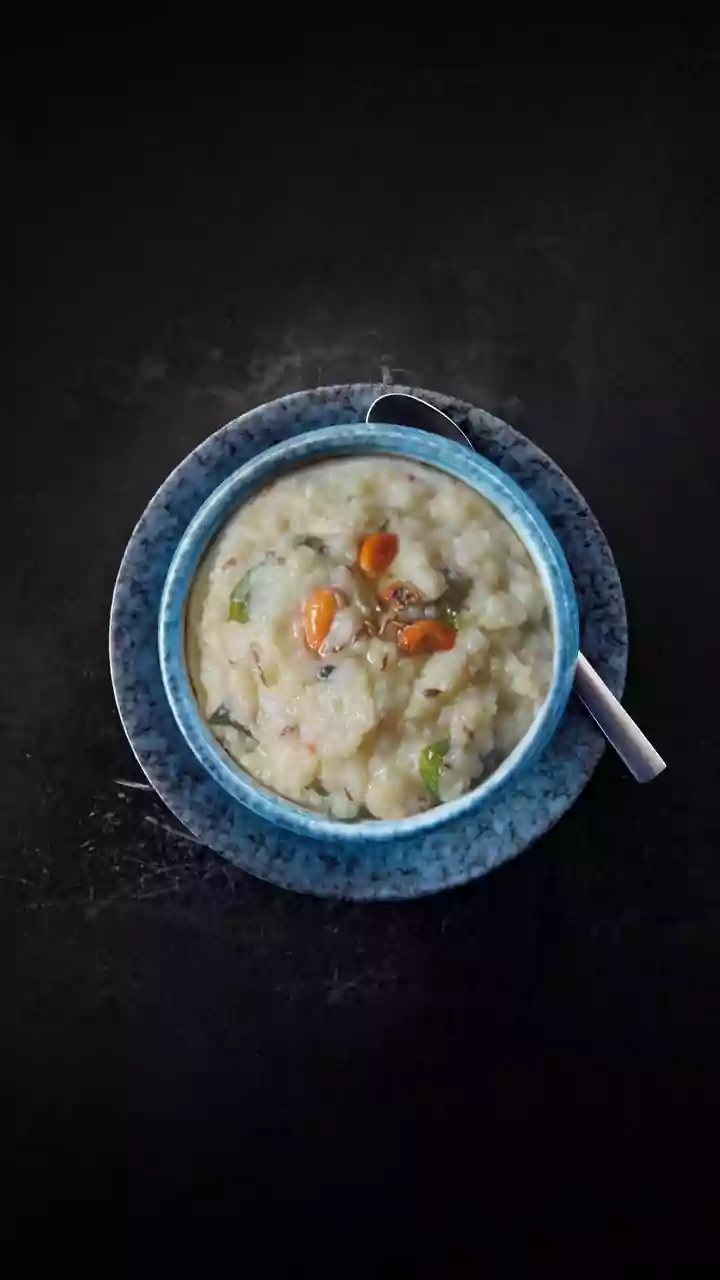
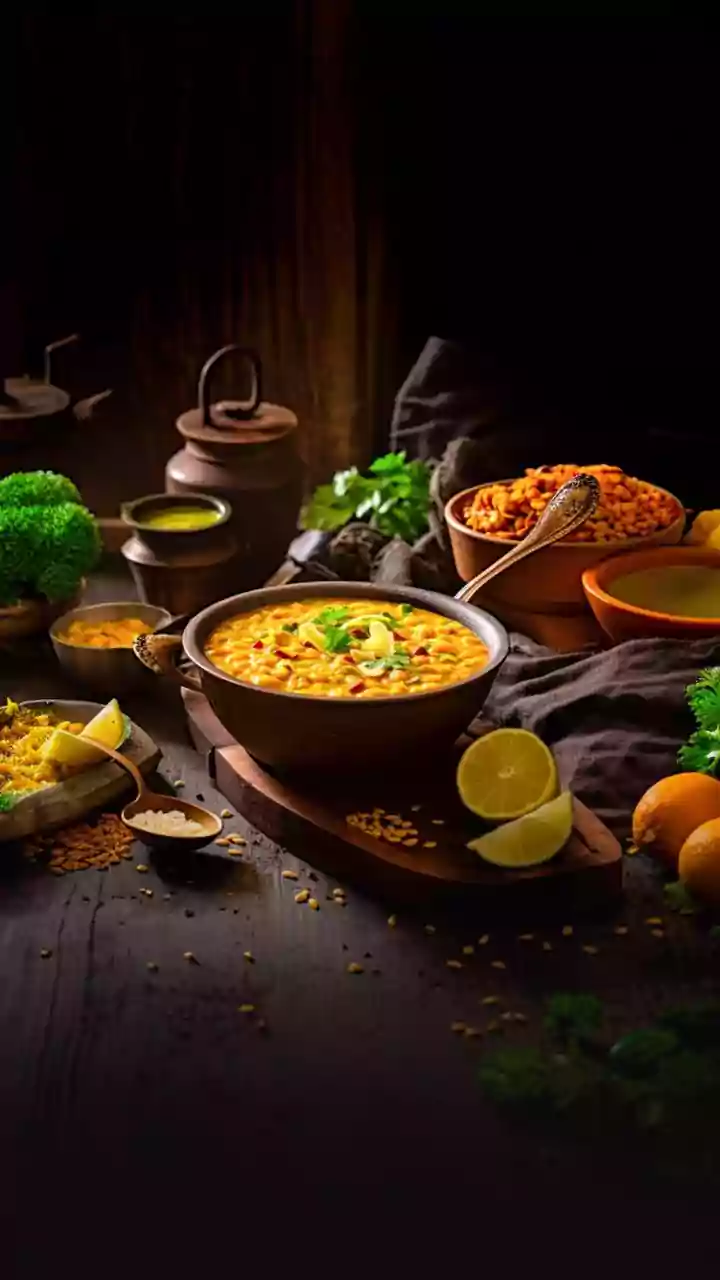
into the protein numbers, let's understand what each dish is. Dalia is simply cracked or broken wheat. Because it's a whole-grain product, it retains its bran and germ, making it rich in fibre and various nutrients. It can be prepared as a sweet porridge with milk or as a savoury 'upma' or 'khichdi' with vegetables. On the other hand, khichdi is a classic one-pot meal made by cooking rice and lentils (most commonly moong dal) together. Often seasoned with turmeric and cumin and finished with a touch of ghee, it's revered as a soothing and easily digestible meal, especially during recovery from illness.
The Protein Showdown
On its own, cooked dalia offers a modest amount of protein. While 100g of dry dalia contains about 11-12g of protein, it absorbs a lot of water during cooking. A typical bowl (around 150-180g) of plain, cooked dalia porridge provides only about 4-5g of protein. The protein story for a basic moong dal khichdi is quite similar. A 100g serving of simple, cooked moong dal khichdi also contains around 4-5g of protein. However, the combination of rice and dal in khichdi offers a 'complete' protein profile, meaning it provides all the essential amino acids that the body cannot produce on its own, which dalia as a single grain does not.
Beyond Protein: Fibre and Digestion
While the protein content is comparable in their basic forms, dalia has a significant advantage in its fibre content. Made from whole wheat, dalia is packed with dietary fibre, which aids digestion, promotes a feeling of fullness, and helps in managing blood sugar levels. A 100g serving of dry dalia can have over 12g of fibre. Khichdi, especially when made with white rice, is lower in fibre. However, its lower fibre content is precisely what makes it famously easy to digest, making it an excellent choice for those with a sensitive stomach, during illness, or for a light dinner.
How to Boost the Protein in Both
The good news is that both dalia and khichdi are fantastic canvases for nutritional enhancement. To turn either dish into a highprotein meal, the secret lies in the additions. For khichdi, increasing the dalto rice ratio can significantly up the protein count. Adding a variety of vegetables also helps. For dalia, cooking it with moong dal to make a 'dalia khichdi' is a popular way to create a complete protein meal. In fact, a dalia khichdi made with extra moong dal can deliver $15$-$18$g of protein per bowl. For both dishes, serving with a side of curd (dahi) not only adds $3$-$4$g of protein but also provides beneficial probiotics. Stirring in paneer, soya chunks, nuts, or seeds are other effective ways to boost protein.
The Verdict: Which One Is for You?
Instead of declaring one superior, the smarter choice depends entirely on your personal health goals. If your aim is weight management, improved digestion, and staying full longer, dalia's high fibre content makes it an excellent choice, particularly for breakfast. If you need a light, easily digestible meal that provides complete protein and is soothing for the gut, khichdi is the ideal option, especially for dinner or during recovery. Both dishes are fundamentally healthy, and their nutritional value can be dramatically altered by how they are prepared. Portion control and mindful additions are key.