

Meet Pushpak: India's Reusable Space Shuttle
At the heart of this ambition is the Reusable Launch Vehicle-Technology Demonstrator (RLV-TD), nicknamed 'Pushpak'. Visually resembling a small aircraft with delta wings and a fuselage, Pushpak is designed to be a crucial part of a Two-Stage-to-Orbit
(TSTO) launch system. Unlike traditional rockets that are discarded after a single use, the RLV is engineered to fly back to Earth and land on a runway, just like an airplane. The primary objective is simple but transformative: to drastically cut the cost of launching payloads into space. By reusing the most expensive components of a rocket, ISRO aims to make space missions more economical and sustainable. This winged vehicle is the testbed for critical technologies like autonomous navigation, hypersonic flight, and, most recently, precision landing.
A 'Hat-Trick' of Landing Success
ISRO recently celebrated a significant milestone by successfully completing its third and final Reusable Launch Vehicle Landing Experiment (LEX-03) in Chitradurga, Karnataka. In this test, an Indian Air Force Chinook helicopter lifted Pushpak to an altitude of 4.5 kilometres. The winged vehicle was then released and had to autonomously navigate its way to the runway. The LEX-03 test was deliberately more challenging than its predecessors; the vehicle was released further away from the runway and had to correct its course under more severe wind conditions. It successfully executed these manoeuvres, approached the runway at a speed exceeding 320 km/h, and performed a precise, autonomous landing. A brake parachute and landing gear brakes were used to slow the vehicle to a halt. This 'hat-trick' of successful landing tests has validated ISRO's mastery over the critical autonomous landing phase, a crucial step before attempting an actual orbital return mission.
Why Reusability Is the Game-Changer
The core logic behind the RLV program is cost reduction. Launching a satellite into space is an expensive affair, largely because the launch vehicle—the rocket—is typically used only once. Imagine building a brand-new airplane for every single flight and then discarding it. Reusability changes this economic equation. By designing a launch vehicle that can return to Earth and be refurbished for multiple missions, the cost per launch plummets. ISRO's goal is to slash the cost of delivering a payload to low Earth orbit significantly. This doesn't just make existing space activities cheaper; it opens up space for a whole new range of applications and players who were previously priced out of the market. It fosters a more sustainable approach to space exploration by reducing the manufacturing waste and resources associated with building new rockets for every mission.
Positioning India in the Global Space Economy
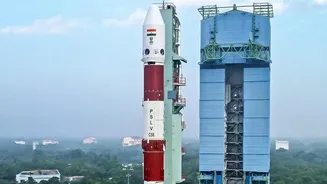
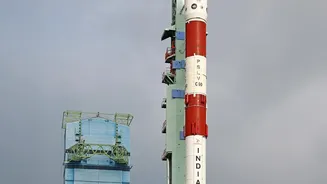
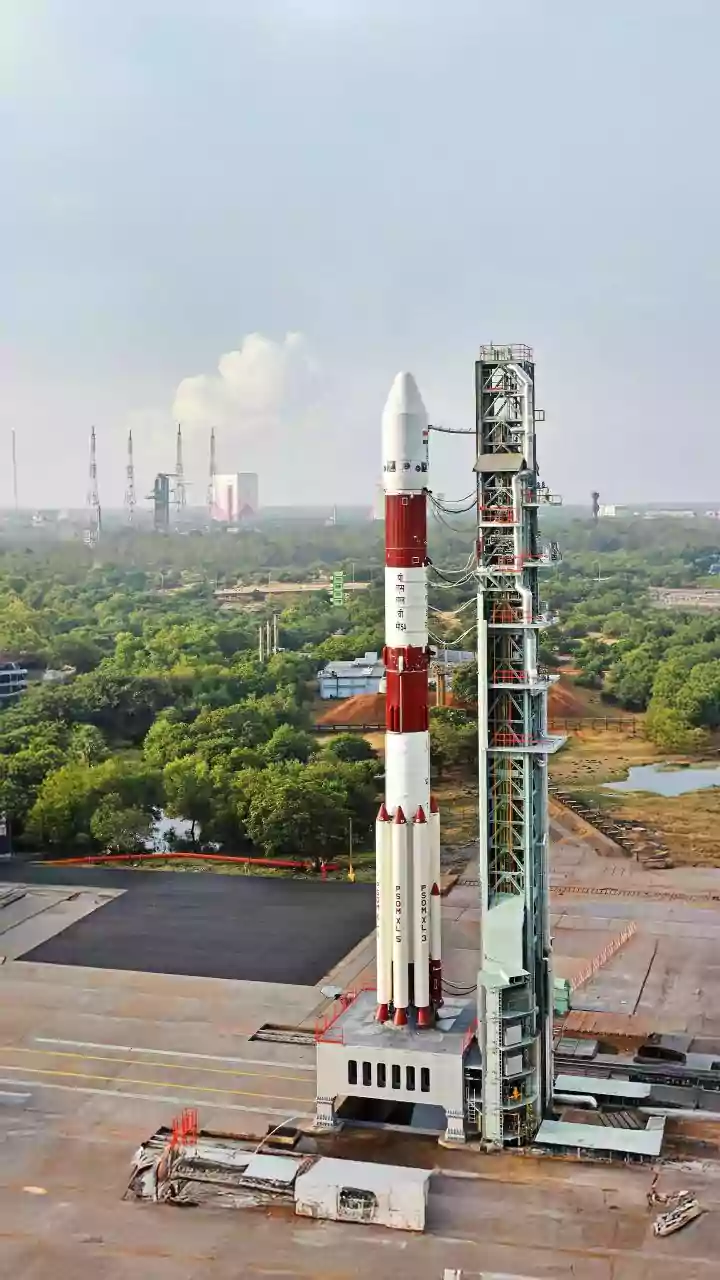
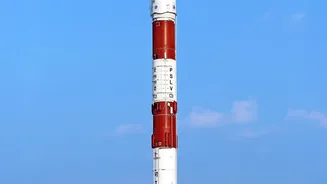
The development of Pushpak is a strategic move to cement India's position in the multi-billion dollar global satellite launch market. While ISRO's PSLV rocket is already a trusted workhorse for launching smaller satellites, the future belongs to reusable technology. Companies like SpaceX have already demonstrated the market disruption that reusability can cause with its Falcon 9 rockets. By developing its own reusable launch vehicle, ISRO is not just keeping pace but is also innovating with its winged-body spaceplane design. A reliable and affordable launch system will attract international customers, boosting India's commercial space sector. This technological leadership also has ripple effects, inspiring scientific innovation and creating high-tech jobs within the country. Success with the RLV will ensure India remains a key player in the evolving global space industry.