






A Monsoon of Two Halves
After a sluggish start in early June that saw a significant rainfall deficit across the country, the Southwest Monsoon has regained momentum. [4] In the last few days of June, the India Meteorological Department (IMD) has reported the monsoon's advance
into more parts of Gujarat, Madhya Pradesh, Maharashtra, and Chhattisgarh. [3, 5] However, this revived activity paints a deeply uneven picture. While the West Coast and Northeast are bracing for heavy to very heavy rainfall, parts of northern and eastern India continue to swelter under heatwave conditions, creating a season of starkly different realities for millions. [3, 4]
The Deluge: Relief and Ruin in the West and South
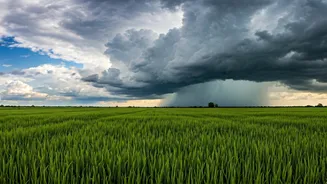
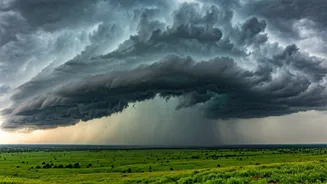
For India's western and southern states, the monsoon's arrival has been forceful. [4] Heavy to very heavy rainfall is expected over the Konkan coast, Goa, and coastal Karnataka. [4, 16] Mumbai has already experienced intense spells, prompting weather alerts. [4, 14] Similarly, widespread rain is forecast for Kerala and Telangana. [4] While this deluge is crucial for filling reservoirs and for agriculture, it also brings challenges. In Hyderabad, heavy overnight rains in the past week led to significant waterlogging and traffic chaos, highlighting the urban infrastructure's struggle to cope with intense downpours. [18] For farmers in these regions, the rains are a welcome sight after a dry spell, promising a good start for Kharif crops. [9]
The Anxious Wait: Deficits and Heat in the North
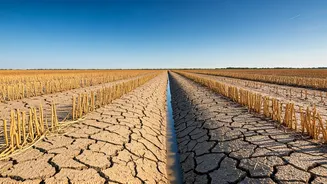
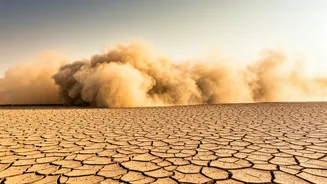
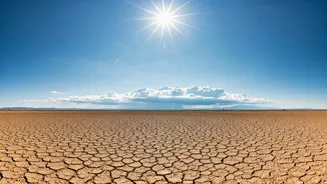
In stark contrast, large swathes of northern and central India have been left waiting. Despite the monsoon's recent progress, significant deficits remain a concern from the initial pause. [13, 19] As of mid-June, central India faced a rainfall deficit of over 60%. [19] While the monsoon is now advancing into these areas, the delay is critical. [3, 11] Furthermore, states like Uttar Pradesh and Bihar are still grappling with heatwave conditions. [3, 4] This combination of delayed rains and persistent heat puts immense pressure on the agricultural sector, where the sowing window for crucial crops is narrow. [6, 7] Even the nation's capital, Delhi, has a rainfall deficit of 18% for June, though the monsoon is expected to arrive around its normal date of June 27. [4, 10]
Explaining the Great Divide
This geographical split is not arbitrary. The monsoon's progress is governed by complex atmospheric systems. Earlier in June, several factors combined to suppress rainfall, including the development of El Niño conditions and the absence of low-pressure systems over the Bay of Bengal that help pull the monsoon inland. [19] The Arabian Sea branch of the monsoon had stalled for nearly two weeks before reactivating. [4] Now, as it strengthens, its impact is felt most intensely along the coast. Meanwhile, its advance into the northern plains is a more gradual process, which has been further complicated by this year's atmospheric patterns, leaving some regions in a rain shadow while others get drenched. [3, 19]
The Human and Economic Impact
These contrasting weather patterns have profound effects on lives and livelihoods. In regions with deficit rainfall, there is growing anxiety over Kharif sowing, which is heavily dependent on June and July rains. [7, 9] A weak monsoon can impact crop yields, leading to higher food prices and contributing to inflation. [6, 13] It also affects rural demand for goods like two-wheelers and tractors. [9] On the other hand, in cities receiving torrential rain, the challenge is managing urban flooding, which can disrupt daily life and the local economy. [18] This tale of two monsoons underscores India's continued dependence on this seasonal phenomenon and the wide-ranging economic consequences of its unpredictable nature. [12]