

Why Winter Demands Extra Diligence
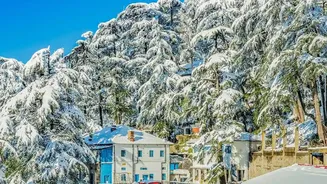
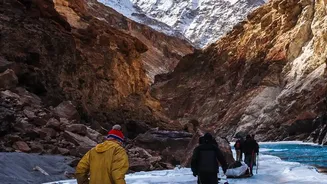
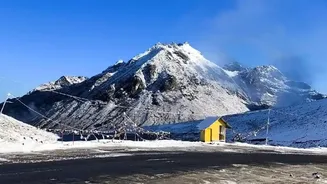
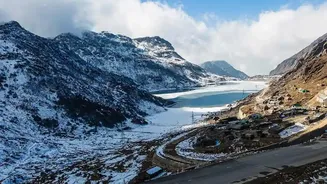
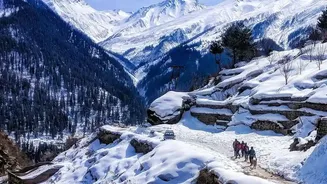
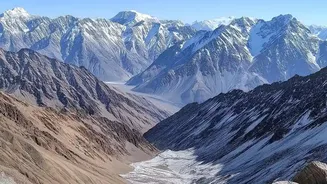
A winter trip to Himachal is vastly different from a summer getaway. The region's geography makes it prone to sudden and dramatic weather shifts. Heavy snowfall, while beautiful, can lead to road closures, cutting off access to popular destinations like
Manali, Kinnaur, or Spiti Valley. Temperatures in places like Keylong can plummet sharply, and even in Shimla or Manali, they often dip below freezing at night. Recent years have seen increased instances of landslides and avalanches, making it crucial to be aware of the risks. The state government is actively working on disaster preparedness, but personal vigilance remains the first line of defence for any traveller.
Your Pre-Trip Weather and Road Checklist
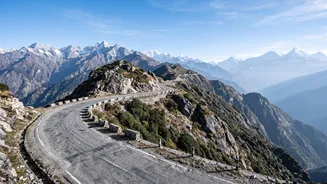
Simply checking a generic weather app is not enough. Your planning requires a multi-layered approach. Start with the India Meteorological Department's (IMD) regional centre in Shimla for district-specific weather warnings. They provide crucial information on expected snowfall, rain, and temperature drops. Next, verify the road status. The Himachal Pradesh State Disaster Management Authority (HPSDMA) and district police social media pages often post real-time updates on road blockages and openings. High-altitude passes like Rohtang are typically closed for the winter, but even the Atal Tunnel, an all-weather marvel, can shut down temporarily due to heavy snow at its portals. Just recently, traffic on the Darcha-Shinkula road was regulated to specific hours due to frost, highlighting how quickly conditions can change.
Key Information Sources to Bookmark
To get the most reliable information, stick to official sources. Generic travel blogs or outdated forum posts can be misleading. Here are the essential contacts and websites to monitor before and during your trip: Himachal Pradesh State Disaster Management Authority (HPSDMA): Your primary source for all disaster-related alerts, from landslides to heavy snowfall warnings. Their website and social media channels are regularly updated. IMD Shimla: For accurate, scientific weather forecasts and warnings tailored to different districts of Himachal. District Administration/Police Facebook & X (formerly Twitter) Pages: Many district police departments, especially in Kullu and Lahaul-Spiti, provide daily updates on road status, which is invaluable for on-the-ground planning. Himachal Pradesh Tourism Development Corporation (HPTDC): While more focused on bookings and destinations, their website sometimes shares important travel advisories.
Packing Smart for Himalayan Winters
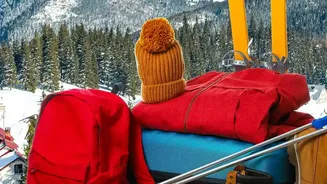
Your packing list can make or break your trip. The key is layering. Instead of one bulky jacket, pack multiple layers: thermal wear, a fleece jacket, and a waterproof, windproof outer shell. This allows you to adapt as temperatures change between a sunny afternoon and a freezing night. Good quality, waterproof shoes with excellent grip are non-negotiable for walking on icy or snowy paths. Also include woolen socks, gloves, a cap, and a scarf. Remember that daylight hours are shorter in winter, so plan your sightseeing accordingly to avoid being on the road after dark.
Booking Accommodations and Transport Wisely
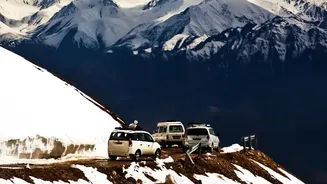
When booking your hotel, confirm that they have reliable heating and power backup. Power cuts can be common in remote areas during heavy snowfall. If you are travelling during the peak season, especially around Christmas and New Year's, book your accommodation and transport well in advance. Prices for hotels and cabs can skyrocket during this period. For those planning to drive, ensure your vehicle is in excellent condition and you have experience driving in hilly, snowy conditions. If you're hiring a local cab, ensure your driver is experienced with winter routes. Flexibility is crucial; always have a buffer day in your itinerary in case a road closure forces you to change your plans.