


Jeep vs. Elephant Safari: The Two Main Choices
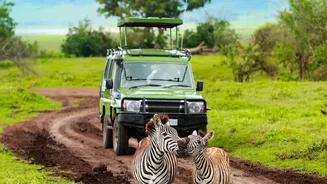
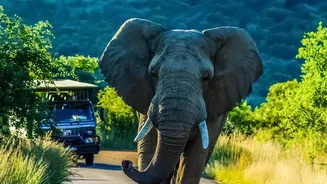
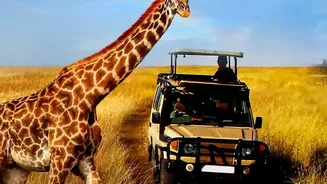
Your first decision is how you want to explore the park. Kaziranga offers two distinct safari experiences: the wide-ranging Jeep safari and the intimate Elephant safari. The Jeep safari is the most common option, available in all tourist zones of the park. These
open-top 4x4 vehicles can cover more ground, taking you deep into different habitats from grasslands to woodlands. Jeep safaris typically run in two shifts, one in the morning and one in the afternoon. In contrast, the elephant safari offers a unique, slower-paced perspective. Riding atop an elephant allows you to get closer to wildlife, especially through the tall elephant grass where Jeeps cannot go. These safaris are only available in the early morning and are restricted to the Central (Kohora) and Western (Bagori) ranges of the park. Due to limited seats, booking an elephant safari well in advance is highly recommended.
The Four Faces of Kaziranga: Understanding the Safari Zones
Kaziranga is divided into four main safari zones, or ranges, each with its own entrance gate, distinct landscape, and unique character. Choosing the right zone depends on what you want to see and the kind of experience you're after. Many seasoned visitors recommend exploring more than one zone to appreciate the park's full diversity.
Kohora (Central Range): The Classic Experience
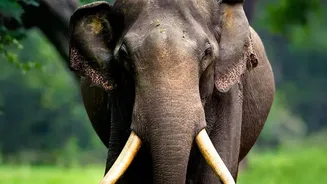
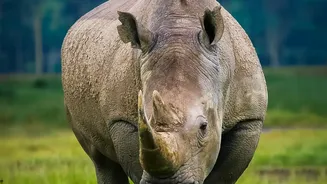
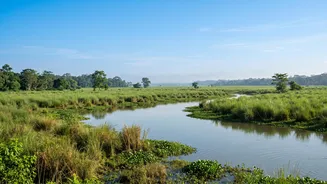
The Central Range, with its entrance at Kohora, is the most popular and accessible zone, making it a great choice for first-time visitors. It offers a balanced mix of tall grasslands, wetlands, and forests, providing a classic Kaziranga landscape. This zone is famous for its high density of one-horned rhinos, but you can also spot elephants, wild water buffalo, and swamp deer. Its popularity means it can be the busiest range, so advance booking is crucial, especially during peak season. Both Jeep and elephant safaris are available here.
Bagori (Western Range): Best for Rhino Sightings
For many wildlife photographers and those prioritising rhino sightings, the Bagori Range is the top choice. Its vast open grasslands and numerous water bodies mean that rhinos are often easier to spot here, particularly in the early mornings. The Western Range is also known for great sightings of wild buffalo and elephant herds. It is generally considered less crowded than the Central Range, offering a more peaceful safari. Like Kohora, Bagori offers both Jeep and elephant safaris.
Agoratoli (Eastern Range): A Paradise for Birders
If you are a birdwatching enthusiast, the Agoratoli Range is an unmissable destination. Located on the park's eastern side, this zone is characterized by its extensive wetlands and proximity to the Brahmaputra River, attracting thousands of migratory and resident birds. While you can still spot rhinos and elephants, the main draw here is the incredible avian diversity, including pelicans, storks, and eagles. This zone feels wilder and is much quieter than the western zones and is accessible only by Jeep safari.
Burapahar (Hilly Range): The Offbeat Adventure
For a completely different Kaziranga experience, head to the Burapahar Range. This zone features hilly terrain and dense forests, offering a more rugged, less-travelled adventure. While rhino sightings are less common, this is the best area to spot the Hoolock gibbon, India's only ape species, as well as capped langurs. The focus here is less on chasing big game and more on immersing yourself in the forest environment. This zone is perfect for nature lovers seeking solitude and is explored via Jeep safari and designated trekking trails.
Planning Your Visit: Essential Tips
The best time to visit Kaziranga is from November to April, as the park remains closed during the monsoon season (typically May to October) due to flooding. The winter months from November to February offer pleasant weather and are great for birdwatching. For the highest probability of wildlife sightings, March and April are excellent, as animals congregate near the shrinking water bodies. Safaris can be booked online through the official government portal or trusted local operators. It is highly recommended to book several weeks in advance, especially during the peak tourist months of December and January, to secure your preferred zone and safari type.